

Japan’s 10-year government bond yield hits 3% for first time since 1996
Higher bond yields reflect a general reflating of the once stagnant economy
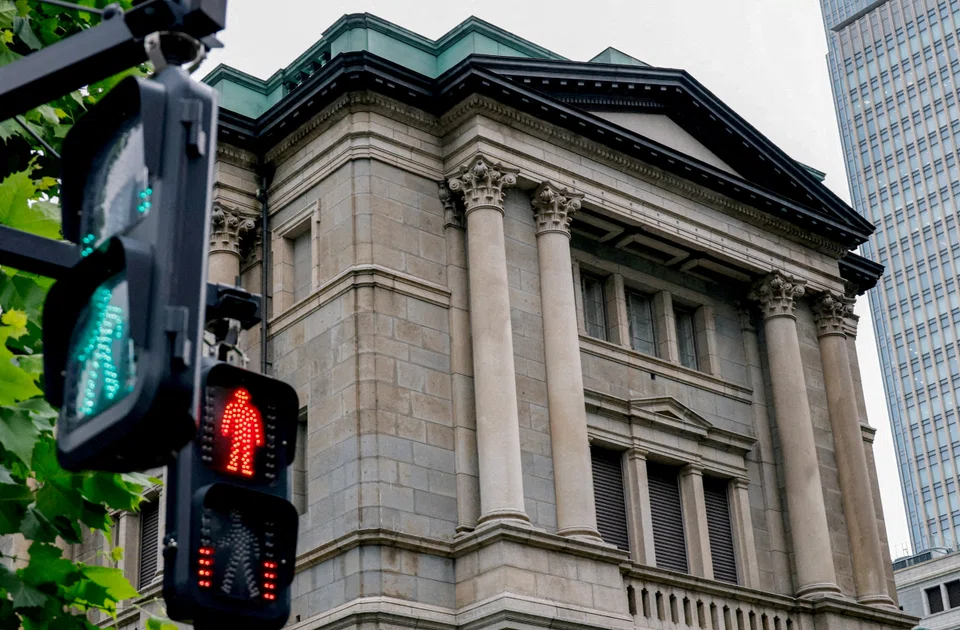
JAPAN’S 10-year government bond yield touched 3 per cent for the first time this century, an important milestone for a debt market that is returning to normality after benchmark borrowing costs languished near zero for years.
The yield rose as much as six basis points to 3 per cent on Tuesday (Sep 1), the highest since 1996. It was half this level around this time in 2025, underscoring the speed of the change, which is reverberating through Japan’s economy and global financial markets.
The country’s bond market dynamics have changed dramatically since the central bank ended the world’s last negative interest-rate policy in 2024.
Prices that were formerly under the thumb of the Bank of Japan are now determined to a greater degree by investors, both at home and abroad. They are making their decisions to buy and sell based on the outlook for inflation and economic growth – and the risk and return of JGBs relative to other assets – rather than BOJ policy.
“Rising yields will weigh on existing portfolios through mark-to-market losses but also create more attractive entry points for fixed-income investors,” said Wee Khoon Chong, senior Asia Pacific market strategist at BNY. “JGBs are once again becoming a credible allocation option.”
While Japan’s central bank still holds an enormous amount of the nation’s bonds, the higher yields are encouraging Japanese institutions to buy more, and global funds have become increasingly active traders in the market. International investors account for about two-thirds of monthly cash JGB transactions, up from 12 per cent in 2009.
All this is happening as bond yields head higher around the world as rising oil prices fuel inflation concerns and investors ramp up expectations that the US Federal Reserve will raise interest rates, stoking volatility in Japan.
The yield on a Bloomberg gauge of global sovereign bonds advanced for a fourth straight session on Monday, rising to 3.72 per cent, the highest since mid-2008.
The higher bond yields in Japan also reflect a general reflating of the once stagnant economy, which is now enjoying a surge in corporate profits and rising wages. For the government, the challenge is to ensure that all this growth is reflected in sufficient tax revenue to cover the rising funding costs that come with higher yields.
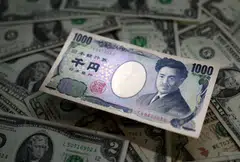



Against this backdrop, the finance ministry is seeking a record 36.6 trillion yen (US$230 billion) for debt-servicing costs in its initial Budget request for the next fiscal year.
The 10-year yield came off initial highs after a bond auction of that tenor saw in-line demand with the 12-month average.
Japanese bond yields across short and long maturities have climbed as investors ramp up bets that the BOJ will raise interest rates again soon, potentially in September or October.
Prime Minister Sanae Takaichi’s government is said to support a near-term hike in response to persistent yen weakness. US Treasury Secretary Scott Bessent also ramped up pressure on the BOJ to take its next steps on monetary policy.
Overnight index swaps imply about a 92 per cent probability of a BOJ move by September, with an October increase more than fully priced.
Fiscal concerns in general are also reflected in the higher yields. Takaichi has unveiled an unprecedented spending plan aimed at reshaping Japan’s economy, but the government is yet to clarify how it will finance a cut in the consumption tax on food. Investors have become increasingly sensitive to the prospect of heavier borrowing as yields rise.
“While some bond investors may already see current levels as attractive and start buying, many others are still positioned for yields to rise further,” said Hiroshi Namioka, chief strategist at T&D Asset Management. “There is also a risk of further yen weakness stemming from fiscal concerns, so I think meaningful repatriation is still some way off.” BLOOMBERG
Decoding Asia newsletter: your guide to navigating Asia in a new global order. Sign up here to get Decoding Asia newsletter. Delivered to your inbox. Free.
Share with us your feedback on BT's products and services
TRENDING NOW

DBS, OCBC, UOB rout lops billions off STI as inflation, rate concerns spook investors

Grab CEO’s wife Chloe Tong on life with Anthony Tan and finding her purpose
OCBC sheds S$8 billion in value as shares close nearly 6% down; analysts cautious on banks

Deal between tycoon friends sparks scrutiny of Philippine power sector

