Volatile electricity prices zap number of Singapore households on retail contracts

Anita Gabriel
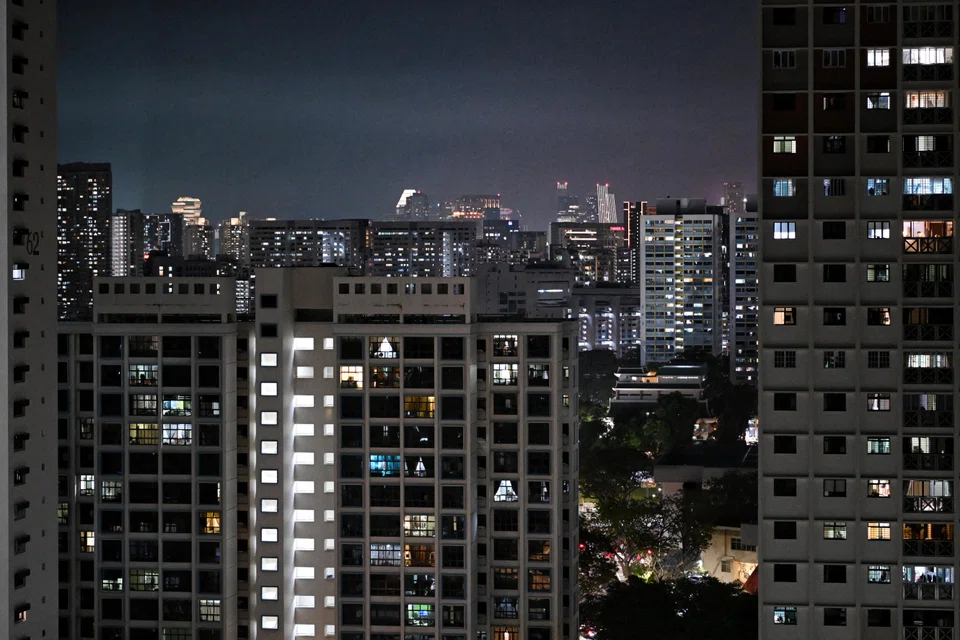
ALMOST 40 per cent of Singapore households are currently on retail contracts for their electricity needs, down from a peak of nearly 50 per cent in 2021, after wild swings in energy prices and bill shocks drove some consumers back to the default energy provider SP Services.
The Energy Market Authority’s (EMA) director of market development Jesse Chin told The Business Times that 39 per cent of household accounts were on retail contracts as at Jul 1, compared with 48 per cent in 2021, some two years after Singapore’s liberalisation of the power sector under the Open Electricity Market (OEM) went full throttle nationwide.
Singapore’s switch rate in the electricity retail market has fallen from its peak. This is not least because the lure of up to 30 per cent in power-bill savings – which in the early years drove consumers to ditch SP – has diminished, and rates have become less competitive since the energy crisis two years ago.
On the other hand, according to Chin, the uptake of retail contracts over the past few months for business consumers has been clicking higher. “Between March and May 2023, around 3,000 contracts were signed every month by business consumers. Within the same timeframe, over 400 businesses switched from wholesale electricity price (WEP) plans to retail contracts,” he said.
Many of these small and medium-sized businesses with an average monthly consumption (AMC) of at least 4,000 kilowatt hours (kWh) suffered a tumultuous time more than a year ago, after their electricity retailers ditched them as they could no longer stomach volatile energy prices.
Shaken to the core
Unlike households (regardless of consumption) and commercial customers (with an AMC of less than 4,000 kWh) who were hit by their retailers’ exits and could be transferred back to SP’s regulated tariff plan, larger consumers found themselves stuck with SP’s WEP plan – a costly option amid the elevated prices then.
In addition, some businesses in this category also buy their electricity directly from the wholesale market.
On its part, EMA has been encouraging consumers to switch away from WEP given the pain of highly volatile prices.
The regulator has said it was mulling tightening the eligibility criteria for this plan to ensure that only consumers who are able to deal with the risks of price volatilities would be allowed to buy at the WEP. All consumers can still enter into retail contracts, while consumers who qualify for the regulated tariffs can also still continue to do so.
Singapore’s electricity market, which has stabilised in the past year, was shaken to the core in the second half of 2021 as prices in the wholesale electricity market shot through the roof. This came as demand surged with the easing of pandemic-led curbs coupled with unplanned gas curtailment from Indonesia.
Amid the extraordinary price swings, at least five independent retailers, including the biggest one, iSwitch, exited the market. This impacted some 5 per cent out of a total of 1.4 million accounts – comprising 1.3 million household accounts and 67,000 small business accounts under the OEM – which were transferred back to SP or another retailer of their choice.
The situation worsened drastically in February 2022 following Russia’s invasion of Ukraine, which led to an unprecedented energy crunch.
Chin remarked: “Going forward, the EMA will strengthen consumer protection by enhancing the regulatory requirements for electricity retailers. This ensures that only credible retailers with sufficient financial strength and sustainable business propositions are allowed to operate in the market.”
The new retailer framework is expected to be announced later this week.