Singapore sea freight companies hit with 50% fuel surcharge; war insurance premium also jacking up costs
One firm had to reroute cargo of used car parts to Dubai via India, raising the shipping cost five times

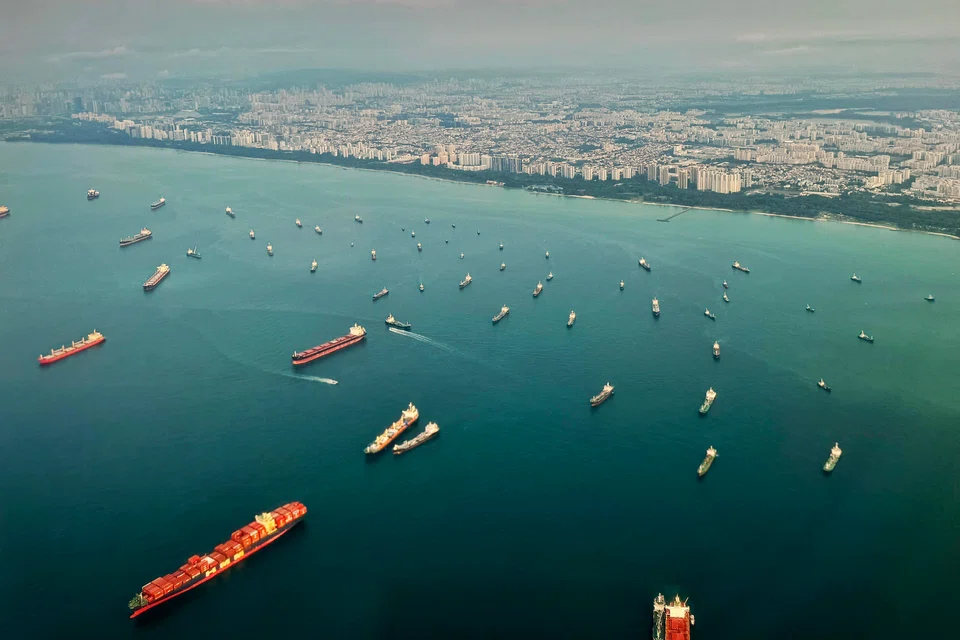
[SINGAPORE] Sea cargo shipping is getting costlier, burdened by a host of surcharges stemming from higher oil prices in the wake of the Strait of Hormuz’s de facto closure amid the Middle East war.
Carriers have imposed several additional fees, ranging from emergency fuel costs to war risk premiums.
Vendors that provide towing services operated by diesel vehicles at depots are also passing on the extra fuel charges to shippers.
Hermes Logistics is one of the Singapore-based freight forwarders caught in the whammy of the military conflict in the Persian Gulf.
Managing director Pelaris Cheng said its cargo shipments to Africa, Europe, the Mediterranean and South and Central Americas have all been slapped with a 50 per cent fuel surcharge by carriers. “It’s usually US$4,000 (for shipping in total) – now (it’s) US$6,000.”
Cargo depot handlers are charging Hermes emergency fuel surcharges as well because their tow trucks operate on diesel, and fuel prices have increased by about 25 per cent in the last two weeks.
Cheng’s cargo of used car parts that was en route to Dubai was also severely affected, after carriers refused to proceed there after the war broke out.
Her shipping costs for this batch rocketed up five times as a result of rerouting through India, then finding alternative ways to its intended destination.
A fruits distributor told The Business Times that all the markets she imports from and exports to are facing a 10 to 15 per cent fuel surcharge, while shipments from Egypt are also subject to a war risk surcharge.
She said she was told fuel surcharge amounts would be reviewed and adjusted, but it appears the only way they have gone for now is up.
Such fees are being imposed after the US and Israel attacked Iran on Feb 28, raising the risk of shipping to the region and jacking up crude oil prices as the Strait of Hormuz is effectively closed. The waterway is normally used to transport one-fifth of the world’s oil.
Freight rates to keep climbing
Container shipping indices are reflecting the increases in freight costs.
The Shanghai Containerized Freight Index was up 14.9 per cent last week. It covers 13 export trades out of Shanghai, and is the world’s most widely used index for spot market ocean-freight rates for Chinese imports.
Maritime consultancy Drewry’s Intra-Asia Container Index surged 18 per cent to US$651 per 40-foot container in the first week of March – shortly after the US and Israel attacked Iran. The index is a weighted average of spot rates across 18 major trade routes within Asia.
Stijn Rubens, a senior adviser at Drewry, attributed the increase to the military escalation in the Gulf, which affected the freight rates from Shanghai to Jebel Ali in Dubai.
“Given that most liners (last) week suspended their services to the Persian Gulf, we plan to remove the Jebel Ali freight rates from the index... until the liner services resume,” he said.
Consequently, the index dropped 5 per cent in the second week of March, settling at US$616 per 40-foot container.
The broader World Container Index rose 3 per cent in the first week of March – bucking seven weeks of decline – and another 8 per cent in the following week to US$2,123 per 40-foot container.
The conflict in the Middle East continues to affect global supply chains, supporting higher freight rates in the short term, noted Drewry. Therefore, it expects spot rates on this trade to keep increasing in the coming weeks.