Volkswagen plans to slash 50,000 jobs amid dire need to reduce costs
The new cuts announced on Sep 3 bring total reductions to around 100,000
 Add BT as a preferred source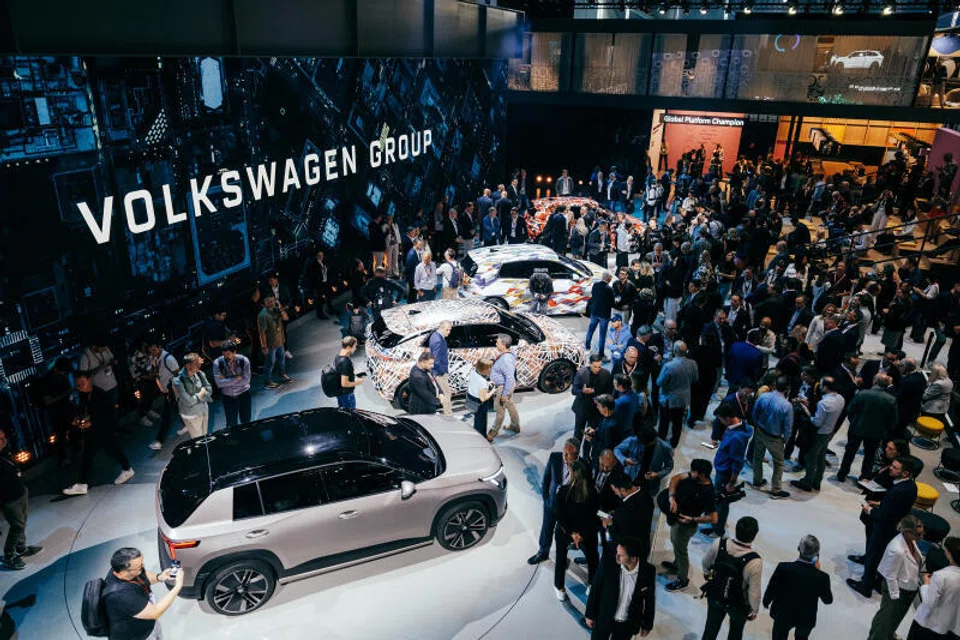
[LONDON] Volkswagen said on Thursday (Sep 3) that it would go forward with the most sweeping restructuring in its 89-year history, cutting about 50,000 additional jobs in the face of surging Chinese competition, high energy prices and a costly transition to electric vehicles.
“This is a strong signal for the future of the Volkswagen Group,” Oliver Blume, the German automotive giant’s chief executive officer, said in a statement.
The decision, announced after a meeting of Volkswagen’s supervisory board, followed a tense stand-off with unions representing its workforce, which numbers more than 650,000 worldwide.
But labour leaders backed the plan on Thursday.
“In this crisis situation, we fought hard for good solutions,” Christiane Benner, an official with the IG Metall union, said in the statement. “The executive board now has the foundation to tackle the major tasks ahead.”
Since the end of 2024, Volkswagen had already agreed to reduce its workforce by about 50,000 by the end of the decade.
Agreements have been reached with 37,000 employees, the company said. The plan on Thursday would bring the total cuts to about 100,000.
Challenged by China’s rise
Volkswagen is an icon of European industry and German manufacturing.
It is now also an emblem of their challenges as China has risen as the world’s leading maker of autos and EVs.
SEE ALSO
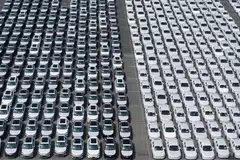
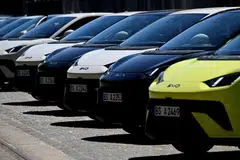


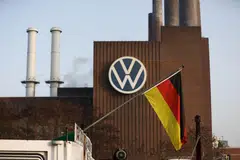
The company’s business in China powered it for decades, but its Chinese sales have plummeted. All the while, a flood of cheap Chinese cars has hollowed out German factories.
The fate of four factories in Germany that have been targeted for possible closure remains unclear. But the company said it had far more manufacturing capacity than it needed. It added that “alternative uses for these plants are being assessed”.
The “reality” is that those four plants – in Emden, Hanover, Zwickau and Neckarsulm – do not have a clear future beyond 2030, Blume said in August. “We cannot carry that disadvantage indefinitely,” he said.
There could be ways to avoid shutting factories, potentially by converting them for use by the defence industry as Germany ramps up spending to deter Russia’s military threat.
At its Osnabruck site, for instance, Volkswagen is in talks with defence companies, Blume said in August.
Blume has said that Volkswagen needs to rein in costs that are still about 30 per cent higher than those of comparable companies.
“It’s blindingly obvious that they desperately need to cut costs,” said Matthias Schmidt, a European auto industry analyst in Germany. NYTIMES
Decoding Asia newsletter: your guide to navigating Asia in a new global order. Sign up here to get Decoding Asia newsletter. Delivered to your inbox. Free.
Share with us your feedback on BT's products and services