Bridging ambitions and realities: the Johor-Singapore SEZ
The Special Economic Zone is set to elevate cross-border ties between two neighbours with a rich, complex history – but it will not be without challenges

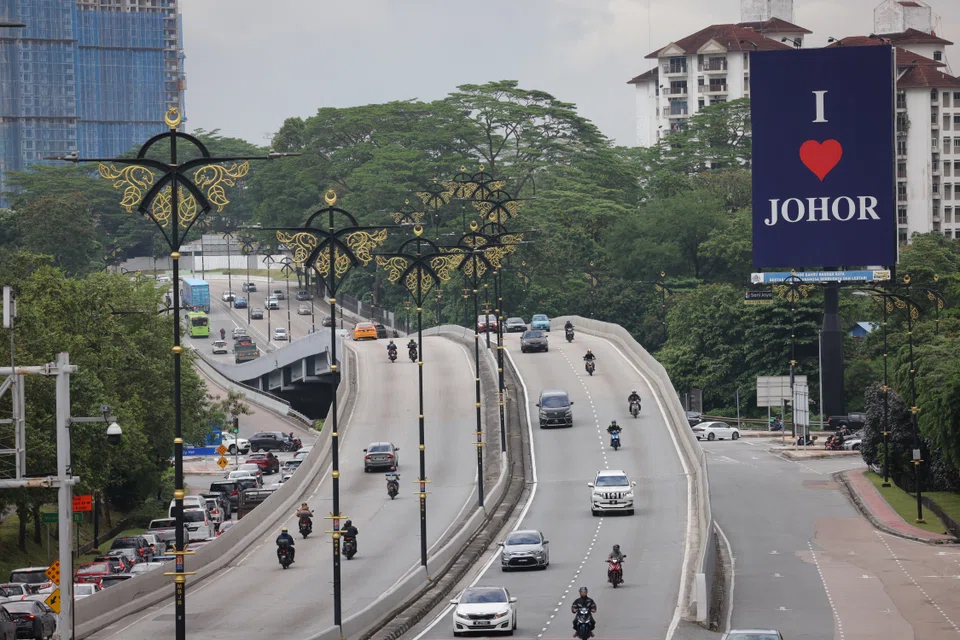
ANTICIPATION runs high as December nears, with widespread expectations for the unveiling of much-awaited details from two neighbours with deeply intertwined ties – Malaysia and Singapore – on their latest and most ambitious pact in recent years, the Johor-Singapore Special Economic Zone (JS-SEZ).
Several factors fuel optimism for this cross-border project, aiming to create a seamless zone for goods, people and businesses, while positioning itself as a connectivity sweet spot to meet global demands – and provide a haven amid US-China tensions.
Current leaders from both countries have vowed to deepen ties and tackle lingering issues, from water agreements to maritime boundaries – topics that, in the past, under leaders such as Mahathir Mohamad, often turned into contentious matters shaping the course of their bilateral relations.
Building on other projects
JS-SEZ, a potential investment hotspot, is not starting from scratch but instead builds on decades-old projects in Malaysia, such as Iskandar Malaysia and Forest City, which was recently designated as a special financial zone to unlock its potential.
One key driver is the Johor-Singapore Rapid Transit System, which will significantly ease cross-border congestion and boost connectivity. Initially delayed by land acquisition issues and funding disputes, among others, it was revived and is now slated to begin operations by end-2026.
Another boost is the Gemas-Johor Bahru Electrified Double Track, which is expected to halve travel time between Kuala Lumpur and Johor Bahru despite reported hiccups that may delay its rollout – making its launch a question of when, not if.
That’s not to say the pact, originally expected to be finalised in September and now reportedly set to feature on the December Leaders’ Retreat agenda between Singapore’s Prime Minister Lawrence Wong and Malaysia’s Prime Minister Anwar Ibrahim, won’t face hurdles along the way.
Challenges
The JS-SEZ faces key challenges, including skilled labour shortages, border congestion, and tax and regulatory hurdles, making a realistic, well-coordinated approach essential for success. The upcoming details offer hope for meaningful progress.
A couple of grand projects that once sparked excitement across the Causeway but ultimately fell short of expectations serve as a strong reminder to temper enthusiasm – or at least remain realistic.
The High-Speed Rail, touted as a game-changer for Kuala Lumpur-Singapore connectivity, was ultimately cancelled in 2021, undone by political instability, funding disputes and shifting priorities. Its fate underscores the recurring challenges of joint projects, often hampered by disagreements over benefits and costs, as well as Malaysia’s changing political tides.
Similarly, Iskandar Malaysia has struggled to fulfil its promise as an economic corridor offering abundant opportunities for Singaporean businesses and homebuyers. Hindered by overbuilding, slow footfall, over-reliance on foreign investment and weak economic integration with Singapore, its results remain mixed at best.
Malaysia’s fluid politics have long posed challenges for major projects, with policy reversals and delays deterring long-term investment. While Anwar’s leadership has introduced a degree of stability and a more favourable environment for bilateral cooperation, the JS-SEZ may remain vulnerable to similar risks.
The upside – both sides now recognise the major niggling points and are better positioned to tackle them proactively. This readiness could also help navigate external challenges, such as US-China tensions.
No project is without hurdles, but businesses seek clarity, political will and a focused commitment to overcoming key challenges. With these in place, the JS-SEZ could transform bold promises into tangible success.
It could also reshape how South-east Asia harnesses opportunities through regional integration to bolster growth and build a more resilient landscape.