BT Explains: Vietnam’s severe electricity shortage and the risks it brings
Jamille Tran
[HO CHI MINH CITY] There have been concerns over Vietnam’s frequent power blackouts over the past few weeks, but the severity of the electricity shortage has since escalated due to an unusually long and serious heat wave.
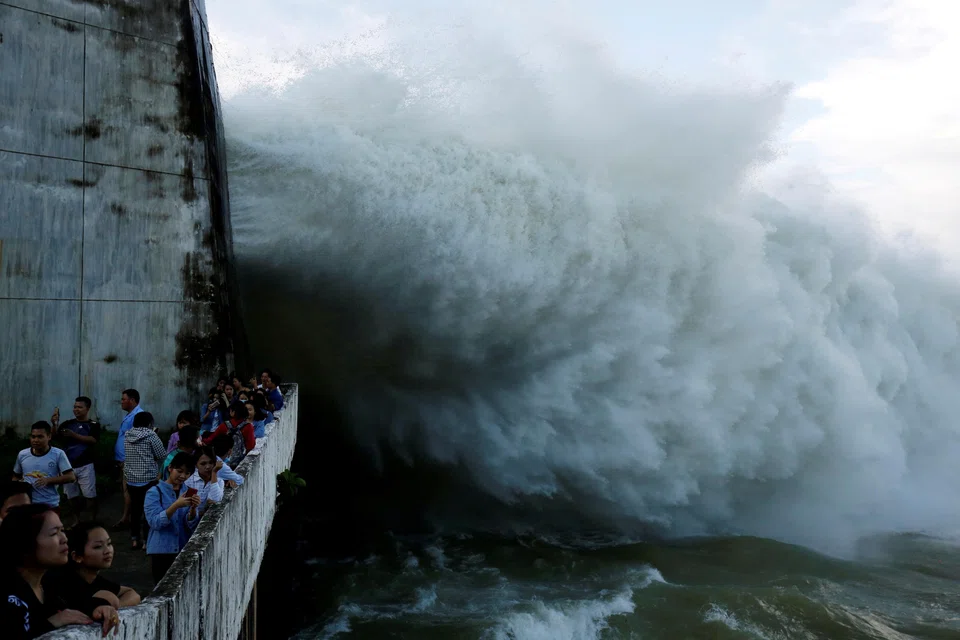
The heatwave has reduced water volumes at hydropower dams and seen more households and businesses crank up their electricity usage to cope with the soaring temperatures.
Last Thursday (Jun 8), Vietnam Prime Minister Pham Minh Chinh issued a directive to urge people to conserve electricity, and he warned that the power situation will remain challenging for a long time as demand goes up.
All eyes are also on Vietnam’s power plan for this decade, known as PDP8. The government finally approved this plan in May, for the 2021 to 2030 period, as part of an effort to boost wind energy and gas, and reduce reliance on coal.
The Business Times takes a closer look at the impact of the power shortage situation on Vietnam, which has hit the nation of 100 million people and its key industries, especially manufacturing, hard.
How has the prolonged heatwave affected electricity supply?
The abnormally high temperatures – the mercury exceeded 44 deg C in some regions in May – have crimped the water volumes at some hydropower dams to nearly zero, while Vietnam’s coal-fired power plants are under immense strain from the greater demand by consumers.
In the directive by Chinh, it was stated that the conditions needed to ensure sufficient electricity generation at the hydropower plants will be impacted in the coming years due to climate change.
The problem is exacerbated by the fact that renewable energy supply from wind, solar and other sources is still limited.
As at the end of 2022, wind and solar energy accounted for around a quarter (26.4 per cent) of Vietnam’s total energy capacity, but the amount of electricity generated from these sources was only 12.9 per cent of the total power output, according to state-owned utility Vietnam Electricity (EVN).
The owners of completed wind and solar power projects are still in negotiations to connect their plants to the national electricity grid due to legal issues and disputes over pricing mechanisms.
On Jun 1, Vietnam’s Trade Minister Nguyen Hong Dien said that the country’s electricity sector also needs sizeable investments in the grid to ensure the reliable transmission of increased renewable electricity output to areas with a high load density.
How severe is the electricity shortage at the moment?
The directive issued by Chinh noted that Vietnam’s electricity demand is growing at about 8.5 per cent per year on average.
Electricity demand in Vietnam is closely linked to economic growth. Last year, Vietnam’s economy grew by 8 per cent, making it one of the best-performing in South-east Asia.
EVN, which has a monopoly on power distribution, said that Vietnam’s northern region must reduce its electricity demand by up to 30 per cent during the peak hours of the day when the temperature is the highest.
The power operator scheduled power cuts and outages across the capital Hanoi in the past week to “ensure the safe operation of the power system”. It also asked industrial parks near Hanoi to cut their electricity use by half due to the tight supply.
How will PDP8 tackle the shortage?
PDP8 aims to double Vietnam’s power generation capacity to over 150 GW by 2030 (from 69 GW at the end of 2020), in a bid to ensure national energy security and economic growth. Vietnam is also committed to carbon neutrality and a phase-out of coal by 2050, joining global efforts to fight against climate change.
According to the plan, the government estimates it needs US$134.7 billion of funding for new power plants and grids, with foreign investors likely to contribute some of that amount.
By 2030, the hope is that wind, solar and other renewable sources (except hydropower) can cover 47 per cent of Vietnam’s energy needs, an increase from 30.9 per cent currently.
Hydropower would account for 19.5 per cent of the energy mix by 2030, down from 29 per cent in 2022. Domestic gas and imported liquefied natural gas are set to be the dominant power sources at 24.8 per cent.
Vietnam will also burn more coal this decade, however, as this remains a crucial source of power. Coal will make up 20 per cent of the total power mix by 2030, before being entirely eliminated in 2050.
The government will build new power transmission lines by 2030 to make full use of the capacity of the country’s power plants.
The power grid will also be linked with other countries in the region such as Laos to enhance electricity change. The aim is to scale the electricity export capacity to about 5-10 GW by 2030.
Vietnam also plans to have half of the country’s office buildings and residential houses use solar power by 2030.