


Indonesia’s housing market poised for growth amid tax break extension
The government has moved to extend the 11% VAT exemption for home purchases up to two billion rupiah through the end of 2024

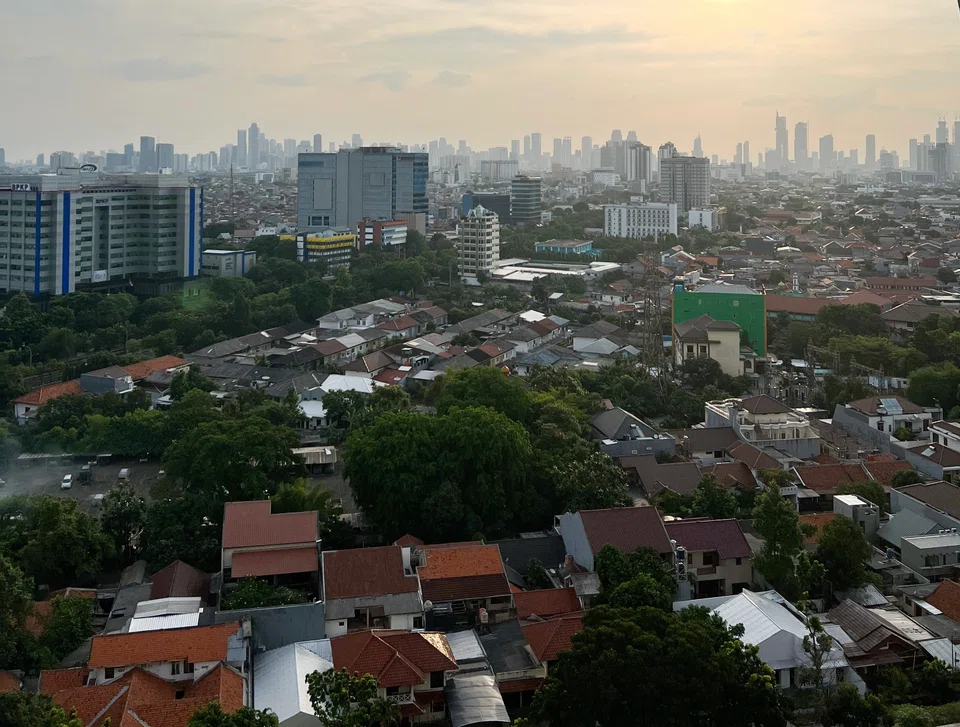
[JAKARTA] INDONESIA’S housing market is expected to see increased demand by year-end, driven by anticipated interest rate cuts and the extended VAT (value-added tax) exemption for home purchases, encouraging buyers to capitalise on lower prices and reduced mortgage rates.
The landed housing market in Indonesia has showed signs of stability, with residential property sales in the primary market rising 7.3 per cent year on year in the second quarter despite fewer units being launched, according to data from Bank Indonesia.
Vivin Harsanto, head of advisory at JLL Indonesia, said buyers are likely to capitalise on lower home prices, taking advantage of the VAT exemption and reduced mortgage rates, given the strong expectation of interest rate cuts towards the end of the year.
“VAT exemptions have consistently had a positive impact on the residential sector, particularly for landed homes. These incentives have led to strong sales across various locations,” she told The Business Times.
However, Harsanto cautioned that the Indonesian government’s plan to raise the VAT rate from 11 per cent to 12 per cent next year could adversely affect the residential market by potentially diminishing purchasing power.
Tax-free incentive
The government recently decided to extend the 11 per cent VAT exemption for home purchases up to two billion rupiah (S$170,000) – first introduced in November last year – through the end of 2024. Initially, this 100 per cent discount was intended to be valid only until the end of the first semester.
The extended incentive is aimed at stimulating the property market, which has been challenged by the aftermath of the Covid-19 pandemic and rising interest rates.
Following the VAT exemption, the Real Estate Indonesia Association reported a significant increase in demand for homes priced between 200 million rupiah and one billion rupiah since the beginning of the year.
Joko Suranto, the association’s chairman, noted that the surge in demand is largely fuelled by first-time homebuyers, primarily the younger middle class.
“Homebuyers in Indonesia are highly sensitive to price changes, so the offer of tax exemptions has been met with a very positive response,” he said.
Suranto highlighted that housing demand in satellite cities around West Java, one of Indonesia’s most densely populated provinces, has experienced consistent growth in recent years.
In response, developers have initiated new projects aimed at linking residential areas with major public transportation networks, including the Jakarta-Bandung high-speed rail, which began operations last year.
JLL noted that partnerships between housing developers and retail brands, cinemas, furniture and home goods companies, along with food and beverage businesses, have enhanced the attractiveness of residential areas for potential buyers, particularly among Indonesia’s growing middle class.
According to Jakarta-based securities firm KB Valbury Sekuritas, the stable demand underlines the strong performance of several publicly listed residential developers, all of whom met their presales revenue targets for the first half of the year.
“This year, the nation’s housing total sales are expected to rise by 6.6 per cent year on year to 27.2 trillion rupiah, marking the highest level in history,” wrote Benyamin Mikael, analyst at KB Valbury Sekuritas, in a recent note.
Lippo Cikarang, a subsidiary of Lippo Group, reported presales of 741 billion rupiah in the first half of the year, marking a 17 per cent rise compared with the same period last year. This growth was driven by sales of landed houses and shophouses, which contributed 68 per cent and 20 per cent, respectively.
Meanwhile, Ciputra Development, owned by Ciputra Group, posted a 67.9 per cent increase in sales by mid-year, while Bumi Serpong Damai, a subsidiary of Sinar Mas Group, achieved 18.1 per cent growth.
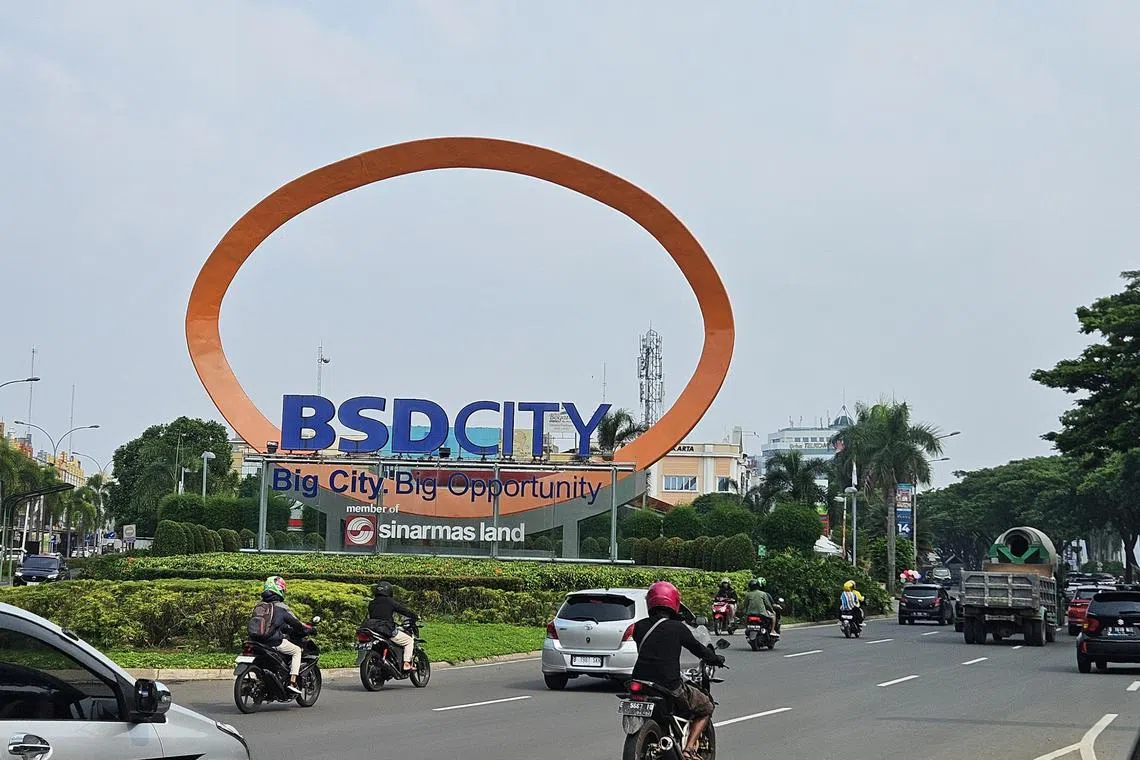
Bumi Serpong Damai is currently developing its flagship residential project, BSD City, on the outskirts of Jakarta, with about 2,450 hectares still to be developed.
Strong demand, limited supply
Despite robust demand, Indonesia’s housing market grapples with significant challenges related to supply, affordability, and access to financing.
With a population of 280 million, Indonesia has rolled out several housing subsidy programmes to tackle the country’s housing shortage and improve homeownership accessibility for low-income individuals.
Under President Joko Widodo’s administration, the government introduced the “One Million Houses” programme, which aims to build one million affordable housing units annually for low-income families. By the end of 2023, about 1.2 million units had been completed under this initiative.
The government is also considering extending the maximum home mortgage term from 30 to 35 years to provide more affordable housing options for lower-income households, in response to rising property prices over the past decades.
TRENDING NOW

Prima to move out of historic Keppel Road flour mill building in 2028

Temasek-related Azalea, SeaTown, Seviora Capital to merge in 2027

Family offices see more tailored products, leverage ‘collective firepower’ for direct deal access

Singapore room rates soar, but hotels seeing mixed demand from F1 race and events

