


Malaysia set to hold rates as investors bet on tightening ahead
The country has managed to sustain robust growth while containing inflation
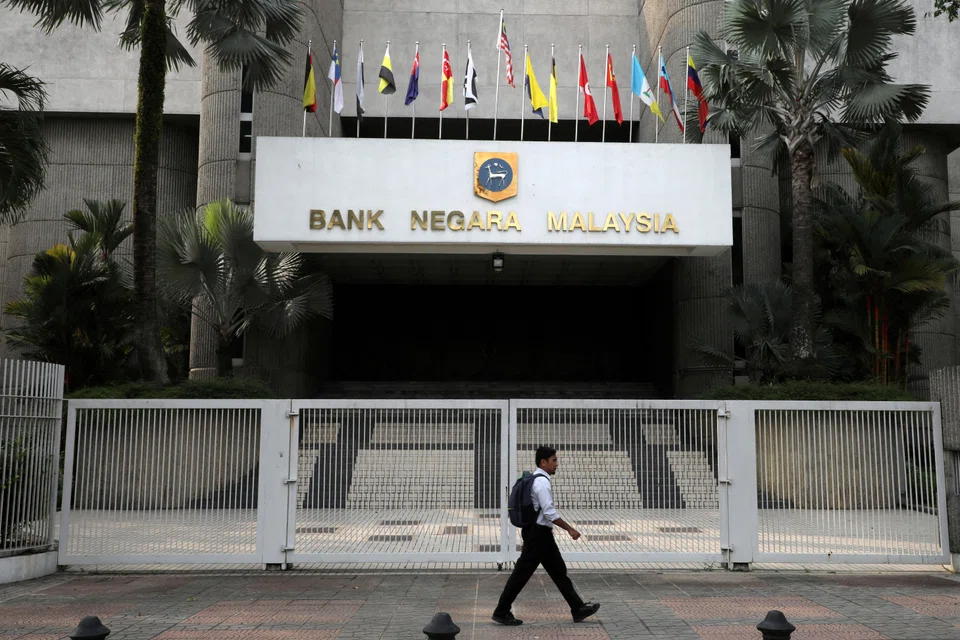
Malaysia’s central bank is expected to keep interest rates unchanged on Thursday, with subdued inflation giving policymakers little reason to tighten despite resilient economic growth.
Bank Negara Malaysia will maintain its overnight policy rate at 2.75 per cent, according to 20 of 22 economists surveyed by Bloomberg, with two forecasting a 25 basis point hike. Policymakers have kept borrowing costs unchanged for more than a year after delivering a preemptive quarter-point cut in July 2025 to cushion the economy from the fallout of higher US tariffs.
The bigger question for investors is how long BNM can stand pat as the economy continues to outperform. Longer term, ringgit swaps have priced in 25 basis points of tightening over the next 12 months.
United Overseas Bank “will be watching for any signs of dilution” in BNM’s neutral policy stance, said Julia Goh, an economist at the lender. The central bank is set to maintain the benchmark rate in the “near term, in part due to moderate inflation dynamics.”
Malaysia has managed to sustain robust growth while containing price pressures, setting it apart from some of its neighbours.
The Philippines has raised interest rates three times in succession to contain inflation risks, while Indonesia is keeping borrowing costs elevated in part to support the rupiah. Thailand, in contrast, has maintained an accommodative stance as it contends with weaker and uneven growth.
Malaysia’s economy expanded 6 per cent in the second quarter, exceeding the central bank’s 4 to 5 per cent growth forecast for 2026, as robust exports tied to the artificial intelligence boom and domestic demand counter the impact of the war in the Middle East.
Policy priority
The country’s status as a net energy exporter helps, while government fuel subsidies have cushioned households from elevated global oil prices, keeping inflation subdued.


Headline inflation eased to 1.8 per cent in July, the lowest since March and within BNM’s forecast range of 1.5 per cent to 2.5 per cent for the year.
BNM Governor Abdul Rasheed Ghaffour said in August the central bank wasn’t in a hurry to act. “Our first priority is price stability and then growth outlook,” he said.
“The global oil shock has yet to materially lift inflation, which remained benign at 1.8 per cent year on year in July,” Bloomberg Economics’ Tamara Mast Henderson wrote in a report.
“Government oil-related revenues have been buoyed by the jump in energy prices, providing scope to cushion higher domestic fuel prices with subsidies.”
Underscoring the relative lack of pressure on the country from the energy squeeze afflicting neighbours, Prime Minister Anwar Ibrahim announced plans to restore subsidized fuel quotas to previous levels from Sep 1, a populist move that should ease cost-of-living pressures.
Ringgit outlook
Investors will also be watching for comments on the ringgit as expectations for a US Federal Reserve rate hike later this month fuel a global bond selloff.
BNM pledged in June to intensify measures to encourage foreign-exchange inflows, including a programme that gives incentives for companies to bring home overseas earnings.
Still, the ringgit is barely changed against the US dollar this year, even as the Indonesian, Philippine and Thai currencies have dropped.
Winson Phoon, head of fixed‑income research at Maybank Securities in Singapore, said his team “will watch for signs of a hawkish shift in the monetary policy committee’s language after the upside growth surprise” in the first half of the year. His firm expects BNM to lift borrowing costs in 2027.
“With the economy proving resilient, attention should gradually shift toward policy normalisation,” Phoon said. “We continue to view 3 per cent as the neutral overnight policy rate level.” BLOOMBERG
Decoding Asia newsletter: your guide to navigating Asia in a new global order. Sign up here to get Decoding Asia newsletter. Delivered to your inbox. Free.
Share with us your feedback on BT's products and services
TRENDING NOW

8 public officers referred to police over property buys near unannounced MRT stations: Chan Chun Sing

Grab CEO’s wife Chloe Tong on life with Anthony Tan and finding her purpose

Retrenched PMETs who return on lower pay see median 25% wage cut

Hao Mart owner resisting OG’s mortgage foreclosure on his Tanglin GCB

