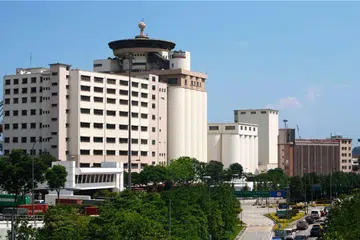
Malaysia stocks regain mojo in 2024, driven by property, tech and Sarawak-focused sectors
The FBM KLCI has shown resilience this year, driven by economic recovery signals and optimism around China’s growth, US stability (barring adverse election outcomes), and a tech sector rebound

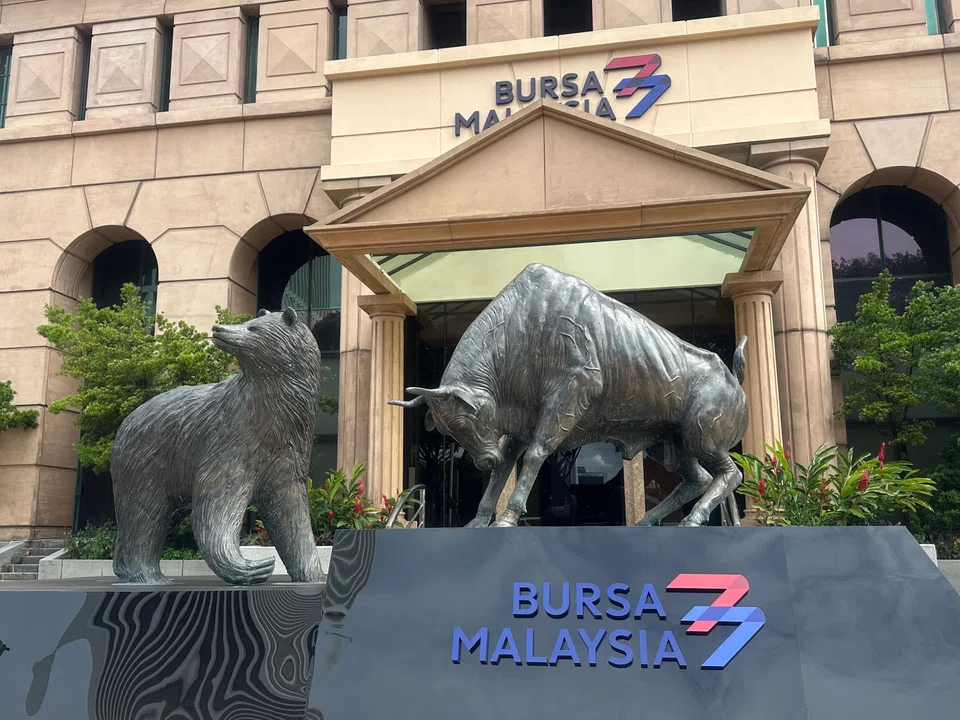
[KUALA LUMPUR] Bursa Malaysia’s property, tech, and Sarawak-focused stocks are surging past the broader market this year. They are powered by government initiatives, booming data centre projects, and a surge in foreign investments.
Analysts also credit the rally to heightened trading activity, fuelled by key growth regions such as the Johor-Singapore Special Economic Zone (JS-SEZ) and Sarawak, which are boosting investor sentiment and driving sustained sector performance.
The technology sector initially led market gains but has recently lost momentum. Despite a mid-year surge, tech stocks have seen a net decline, with the Bursa Malaysia Technology Index peaking at 80.63 points in June before dropping to 58.62 points on Oct 30, a 7 per cent dip from January levels.
Key players such as HeiTech Padu have delivered impressive returns, with the stock surging 304.5 per cent to RM3.60, boosted by more than RM1 billion (S$302.2 million) in government contracts. Other notable gainers include Notion VTec, SNS Network Technology, Theta Edge, and JCY International. Their share prices have jumped between 61 and 210 per cent this year.
Ng Zhu Hann, CEO of boutique fund manager Tradeview Capital, noted that tech stocks initially gained traction this year on news of major investments in Malaysia.
“However, this growth momentum has faltered as Malaysian tech stocks have been adversely affected by a broader sell-off in global tech shares,” he told The Business Times.
He expects tech stocks to stay subdued for the next two quarters, cautioning that “it’s not the right time to invest” due to high valuations. He added that investors will likely wait until valuations drop to around 20 times before considering positions.
Property stocks rebound post-pandemic

After being hit hard during the Covid-19 pandemic, the property sector has made a strong comeback, with the Bursa Malaysia Properties Index up more than 23 per cent year to date.
Leading players such as Sime Darby Property, Mah Sing Group, Gamuda, S P Setia, and Eco World Development have seen their share prices surge between 65 and 130 per cent this year.
Sime Darby Property stands out for diversifying into the data centre market with plans to build and lease a hyperscale data centre for Google at Elmina Business Park in Selangor. This expansion, along with strong second-quarter performance, has driven its shares up, more than doubling to RM1.43 as at Oct 30.
Hong Leong Investment Bank maintained an “overweight” rating on the property sector, citing a multiyear upcycle. Analyst Tan Kai Shuen expects property developers to thrive, boosted by strong investment activities.
“Global tech giants like Amazon, Google, Microsoft and ByteDance are making unprecedented investments in Malaysia… This trend benefits property developers and landowners, as these firms are willing to purchase land at competitive prices for expansion,” he said.
Johor property space abuzz
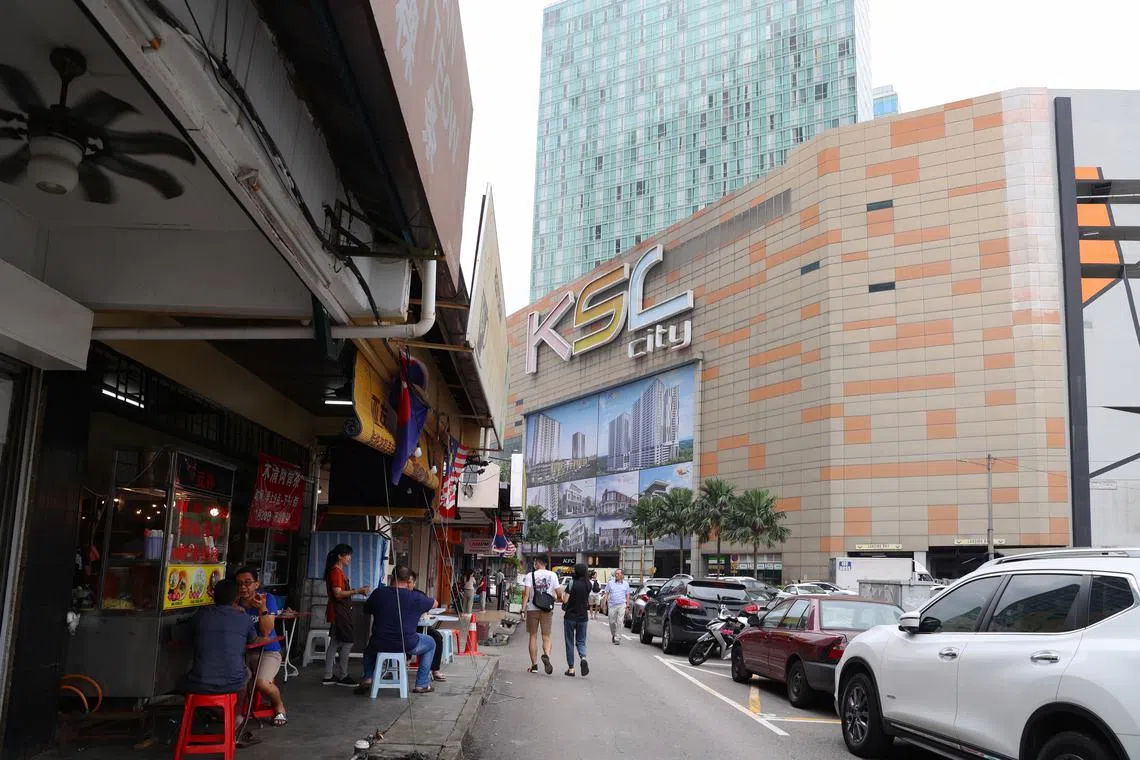
The Johor property market is gaining momentum – with Maybank Investment Bank upgrading its outlook to “positive” from “neutral” – driven by the anticipated JS-SEZ, which aims to boost economic ties between Malaysia and Singapore.
Covering a broad area, including Iskandar Malaysia, the JS-SEZ is expected to fuel property and industrial growth, enhancing housing and commercial projects.
Hong Leong’s Tan highlighted Johor’s strategic location near Singapore as advantageous for international businesses, with developers such as Mah Sing Group, S P Setia and Eco World Development poised to benefit.
Gamuda, a top choice among investors, has strengthened its position with substantial infrastructure projects, including a data centre contract with Sime Darby Property.
The Sarawak factor
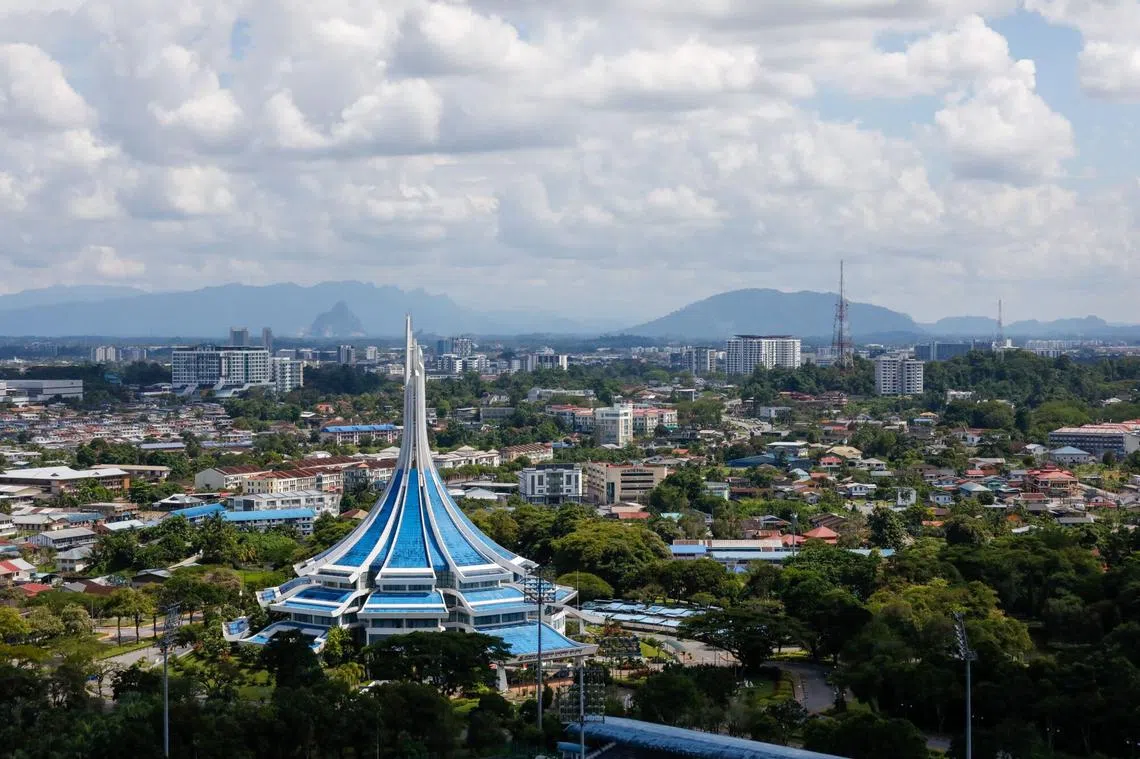
Investor interest is growing in Sarawak-focused companies, driven by government-backed decentralisation efforts, said Tradeview’s Ng.
Increased investments in agriculture, manufacturing, renewable energy, and data centres have made the region a key investment hub, supported by federal and state collaboration on high-value projects.
Stocks tied to Sarawak’s growth – such as Dayang Enterprise, Affin Bank, Petra Energy, Naim Holdings and Jaya Tiasa – have posted gains of 33 to 42 per cent this year.
Affin Bank, boosted by the Sarawak government’s plan to increase its stake to 30 per cent, saw its share price rise nearly 43 per cent year to date to RM2.97 on Oct 3.
Budget 2025 allocates substantial funds to Sarawak’s infrastructure projects, such as the Sarawak-Sabah Link Road and Miri Airport expansion, with analysts and Maybank Investment Bank anticipating these investments to drive regional growth and additional contracts by year-end.
Laggards: Plantation and telco companies
All sectors have contributed to the FBM Kuala Lumpur Composite Index (KLCI) rally this year, but plantations and telecommunications have faced hurdles, with plantation stocks hit by volatile prices from declining demand and oversupply.
The Bursa Malaysia Plantation Index dropped more than 8 per cent to 6,888.64 points on Aug 5 from a May peak, though it remains 4 per cent up year to date. Increased crude palm oil (CPO) production in the year’s second half could add pressure on prices.
CPO prices have fluctuated between RM3,600 and RM4,600 per tonne this year, prompting Maybank Investment Bank analyst Ong Chee Ting to maintain a “neutral” stance on the plantation sector.
He noted that Budget 2025 measures, including higher minimum wages and mandatory Employees Provident Fund contributions for foreign workers, may put pressure on earnings.
Meanwhile, the Bursa Malaysia Telecommunications & Media Index has declined nearly 4 per cent year to date, with Maybank Investment Bank analyst Tan Chi Wei attributing this to rising operational costs, intense competition, and stagnant revenue growth affecting the country’s telco stocks.
FBM KLCI outlook and market risks
Malaysia’s benchmark FBM KLCI has risen over 10 per cent year to date, closing at 1,603.98 points on Nov 1, reflecting economic recovery and market optimism.
UOB Kay Hian maintains a year-end target of 1,735 points, citing optimism over China’s recovery, a US soft landing, and a tech sector rebound. FBM KLCI peaked at 1,678.8 on Aug 30, nearing its five-year high of 1,681.41.
Tradeview’s Ng anticipates property and infrastructure development, especially in Johor and Sarawak, to continue to drive market gains. On the Federal Reserve’s interest-rate cuts, he noted that the rate-cut cycle will benefit dividend or high-yield stocks, as well as sectors reliant on imported raw materials.
“For instance, consumer counters such as Farm Fresh and Mr DIY are doing well since the ringgit strengthened due to lower import costs. Meanwhile, companies that have large debts in US dollars will also stand to benefit from reduced finance costs due to a stronger ringgit,” he said.
Of late, though, the ringgit has been slipping, in part due to a strengthening greenback and US election jitters. Analysts also say a correction is due, given the ringgit’s steep appreciation – particularly over the most recent quarter.
A persistent weak ringgit could benefit export-driven sectors such as technology, plantations, and oil and gas, while import-reliant sectors and consumer-driven industries could be challenged by rising costs and eroding margins.
While there is general optimism regarding Malaysia’s economic outlook, several caveats could temper this positivity, said RHB Research economist Chin Yee Sian.
One significant concern is the potential reduction in consumer spending due to lower disposable incomes stemming from ongoing subsidy retargeting initiatives. Additionally, trade performance may lag expectations, particularly in 2025, if a global economic soft landing occurs.
Chin noted that this situation could be exacerbated by the anticipated return of Donald Trump to the US presidency and a lack of recovery in China’s property sector, which may have negative impacts on Malaysia’s economic and stock market performance.