


Malaysia’s social media licensing plan could hurt innovation, SMEs: analysts
They warn that the restrictions could create barriers to growth in digital innovation

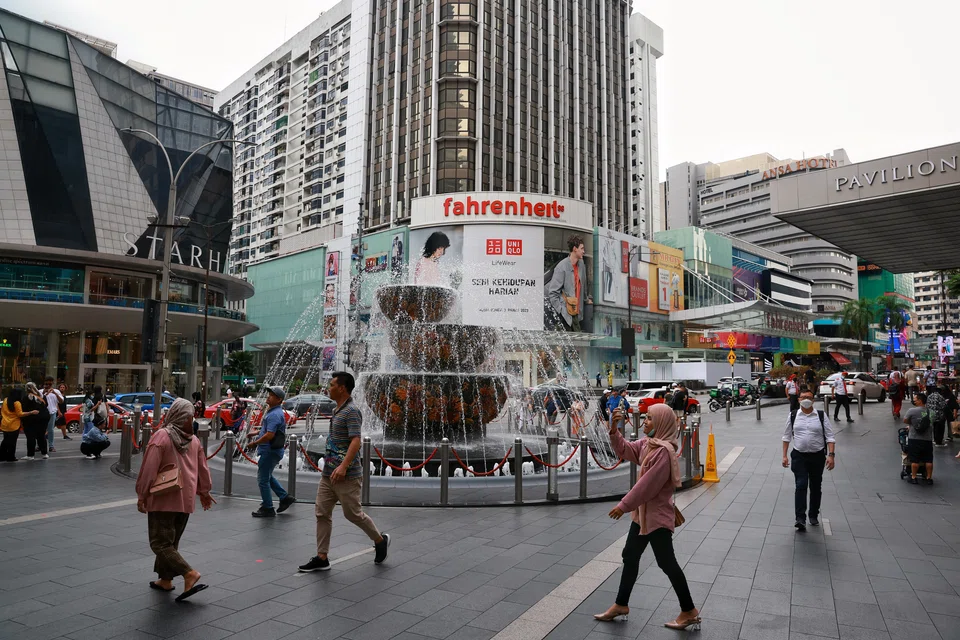
[KUALA LUMPUR] Malaysia’s licensing framework that requires social media and messaging platforms with more than eight million users to obtain a licence by Jan 1 next year has sparked plenty of concern, with major tech firms warning it could stifle innovation and hamper the country’s digital economy growth.
While market observers believe investor interest in Malaysia’s tech industry may remain intact, restrictions on social media could create significant barriers to the country’s growth in digital innovation.
A coalition of tech giants – including Meta, Google and Amazon under the Asia Internet Coalition (AIC) – wrote an open letter to Prime Minister Anwar Ibrahim in August to express concern about the licensing regime, cautioning over its long-term negative effects on Malaysia’s tech ecosystem.
They argue the framework lacks clarity, sufficient industry engagement, and could hurt innovation, ongoing investments and deter future ones due to compliance costs and regulatory ambiguity.
Ong Kian Ming, pro vice-chancellor of external engagement at Taylor’s University in Selangor, noted that while the new regulations may not significantly hinder investments in Malaysia’s data centre and tech industry, they have hurt the country’s public image by restricting free access to content.
Currently, the country remains an appealing destination for social media companies due to its relatively affluent domestic market and favourable conditions for establishing data centres.
He said it is understandable that major global players, such as Google, Meta and Microsoft (via LinkedIn), have concerns regarding the proposed social media licensing regulations, particularly the lack of clarity surrounding their scope and potential penalties. These companies prefer to operate under existing laws rather than face additional regulations.
The Malaysian Communications and Multimedia Commission announced on Jul 27 a new regulatory framework requiring social media and Internet messaging services with more than eight million Malaysian users to obtain a licence by Jan 1, 2025.
The licensing regime is part of the country’s broader initiative to strengthen online regulations amid growing concerns on scams, cyberbullying and child exploitation.
Under the framework, social media and messaging service providers that fail to comply with licensing requirements will face penalties, including fines of up to RM500,000 (S$150,380).
Concerns on new punitive measures
Dr Ong noted that the members of the AIC are particularly worried about the introductions of new laws that could impose penalties on their staff due to these regulatory changes.
“If the new regulations lead to policy uncertainty and instability, along with punitive measures, then new investments in the digital economy ecosystem by some of these companies may not be so forthcoming moving forward,” he told The Business Times.
On the other hand, if the new rules are made transparent, clear and adequately address industry concerns, it is likely that the companies represented in the AIC will gradually adapt to these changes.
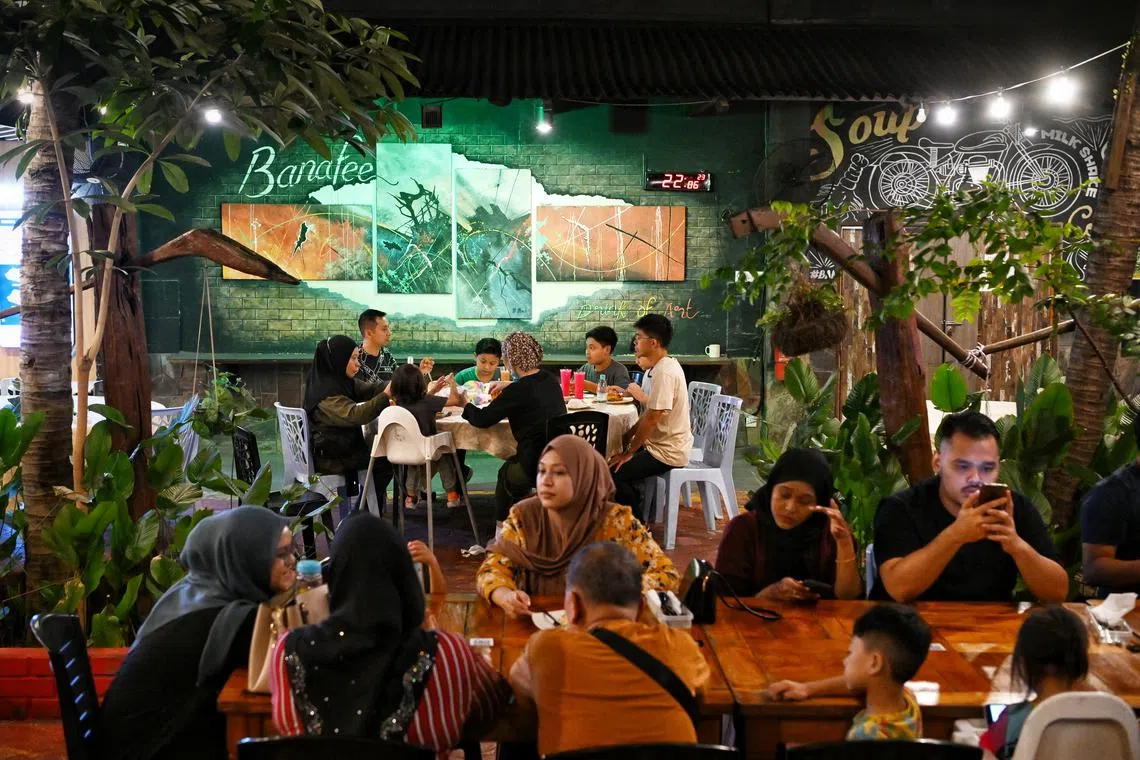
Malaysia is not the only country proposing regulations for social media platforms to enhance user protection. Countries such as Singapore, Australia and the UK have also implemented regulatory measures to manage social media.
The government’s reach
Some governments have taken more drastic measures. For instance, Brazil suspended Elon Musk’s social media platform X in late August, which had 24.3 million X users.
Business Insider reported that the suspension also hit Brazil’s entertainment and media industry by limiting artistes’ promotional reach. The ban caused more than 20 million users, including artistes and fan accounts, to lose access to the platform. According to a report by Research and Markets, Brazil’s media industry generated around US$25.8 billion in 2022.
In the aftermath, platforms such as Bluesky saw a surge of 2.6 million new users, more than 85 per cent of whom were from Brazil.
Colin Charles, co-founder of IT consultancy Helixiora, noted that if Malaysia takes a more assertive approach, following the UK’s lead, for the decryption of end-to-end encrypted messaging, it would be technically challenging to implement.
While many countries focus on preventing scams and misinformation in their social media regulations, addressing issues such as cyberbullying present more complexity.
Market observers also raised concerns that the regulations will affect businesses by creating market entry barriers and restricting their ability to operate freely.
Hurting SMEs
Economist Geoffrey Williams, founder of Williams Business Consultancy, cautioned that enforcing the new social media licensing framework next year could severely hurt emerging business, particularly Malaysian small and medium-sized enterprises (SMEs).
SMEs may face substantial financial burdens due to the need to comply with new licensing requirements, which could include enhanced data protection measures, content monitoring and legal consultations.
These compliance costs may divert resources away from growth-oriented initiatives such as product development and market expansion, ultimately hindering their competitiveness.
“Lessons from Brazil and Indonesia demonstrate that such restrictions are damaging, especially to SMEs,” he added.
The licensing regime could restrict user freedom, potentially leading to a decline in engagement on social media platforms. Fewer users may reduce the value of these platforms for advertisers, affecting revenue streams for SMEs that depend on digital marketing and social media for customer acquisition.
Online platforms are part of the sharing economy, which provides a larger market space for SMEs and has been hugely successful in generating jobs, income and investment.
Citing his research conducted for Malaysia Digital Economy Corporation, Williams said the sharing economy – a component of the e-commerce and gig economy – will be worth RM313 billion and employ 4.3 million people by 2030.
Blunting a sharp tool
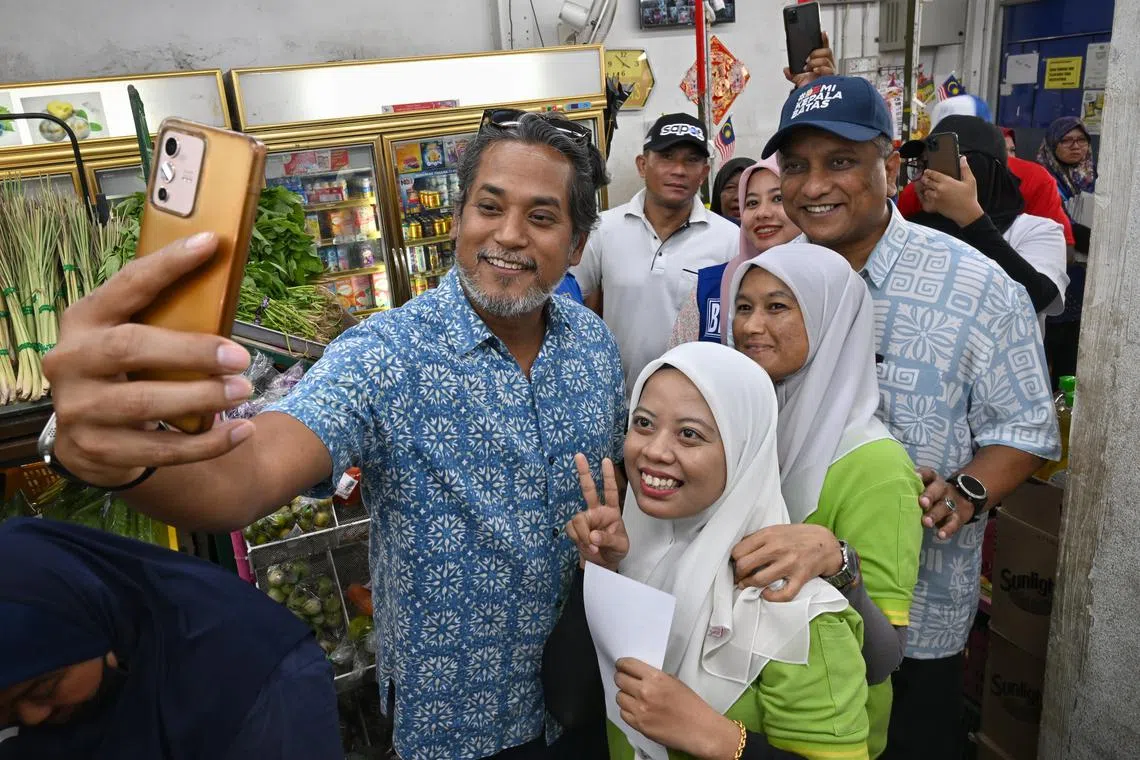
Currently, there are more than 33.5 million users in Malaysia accessing information through mobile or desktop devices, and 28.6 million of them are active social media users, according to Data Reportal.
The freedom to access social media and messaging platforms have become crucial not only for businesses, but also for politicians to reach the masses in Malaysia’s digital democracy, said Charles.
Political parties and politicians are leveraging platforms such as TikTok to convey messages and gain influence to win voters. For instance, the Undi18 constitutional amendment, which lowered the voting age to 18, added nearly six million new voters to the register – a 30 per cent increase compared with the previous general election.
Younger politicians such as Nurul Izzah, Khairy Jamaluddin and Syed Saddiq have amassed millions of social media followers across various platforms, effectively engaging with the youth electorate.
Charles noted that social media has been a powerful tool for political parties to garner voter support, adding that regulating this space can be a double-edged sword for the government.
TRENDING NOW

DBS, OCBC, UOB rout lops billions off STI as inflation, rate concerns spook investors

Grab CEO’s wife Chloe Tong on life with Anthony Tan and finding her purpose
OCBC sheds S$8 billion in value as shares close nearly 6% down; analysts cautious on banks
Deal between tycoon friends sparks scrutiny of Philippine power sector

