Oil-rich Sarawak wants greater investments in renewable energy
Malaysian state is trying to leverage its strong position in hydropower to become a major producer of hydrogen, says premier
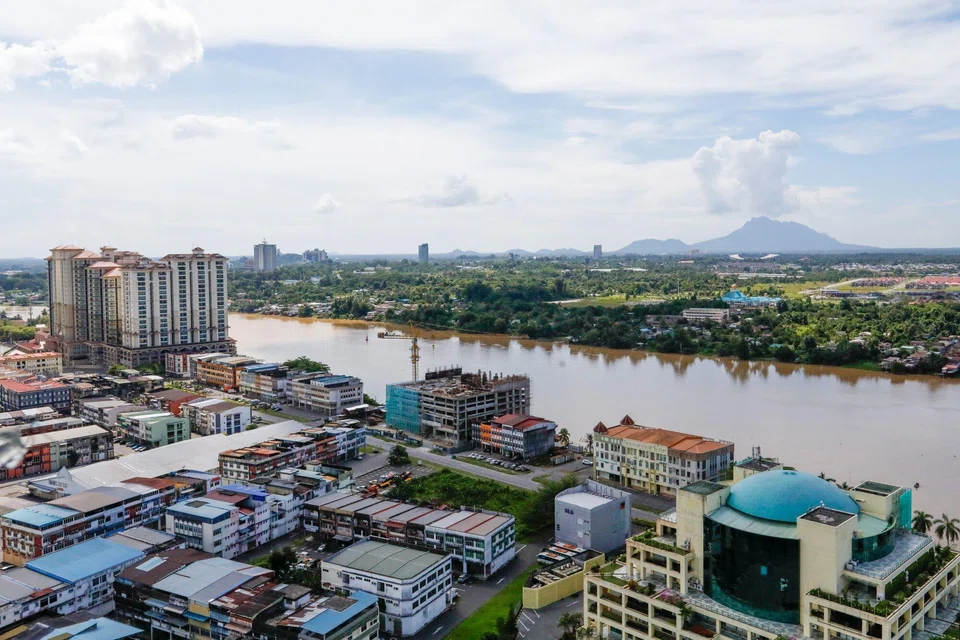
[BANGKOK] The Malaysian state of Sarawak, a major supplier of fossil fuels for much of the past century, is making a rapid shift to renewable energy and hopes to become a regional provider of hydropower in the near future, said the state’s premier at an energy conference in Thailand.
“Sarawak is giving priority to investment in renewable energy, particularly in renewable hydropower to propel our growth going forward,” said Abang Johari Openg on the third and final day of the Future Energy Asia event in Bangkok on Friday (May 17).
The state, which has been producing oil and gas since 1910, has made rapid advances in its renewable energy push, going from reliance on fossil fuels for 92 per cent of its domestic energy needs in 2010, to a nearly 60 per cent reliance on hydropower in 2023.
By 2030, the local government has a target for solar to account for 12 per cent or its energy supply (estimated at 10 gigawatts by 2030), hydropower (from four large dams) to account for about 50 per cent, and natural gas for much of the remainder.
Sarawak is rich in water resources, which provide hydropower that can be used to produce hydrogen.
“We have hydropower, we have heavy rainfall and we have one of the largest rainforests in the world,” said Abang Johari.
Some 62 per cent of Sarawak’s 12.4 million hectares is still covered by rainforests, which provide a catchment area for the state’s many lakes and rivers, which in turn provide vast amounts of hydropower.
Sarawak is trying to leverage its strong position in hydropower to become a major producer of hydrogen, an alternative clean energy fuel that can be used to power vehicles and airplanes.
The state is already a clean energy supplier to the region via transmission lines that already connect Sarawak to Borneo and West Kalimantan in Indonesia.
Sarawak Energy Company is currently collaborating with partners such as Sembcorp Utilities and Singapore Power International to study the construction of a transmission line from Sarawak to Singapore.
“Singapore needs extra energy, and Sarawak has surplus energy which we can provide to Singapore,” said Abang Johari. “But the undersea cables have to be done by Singapore.”
Besides expanding its transmission of its surplus renewable energy, Sarawak is also seeking new downstream uses for hydrogen, derived from its hydropower production, such as for powering public transport and for aviation fuel.
The premier said that hydrogen is not just a fuel, but it can also serve as a catalyst for the Malaysian state to become greener and more resilient.
“By embracing hydrogen, we are not only diversifying our energy mix but also unlocking a world of possibilities for economic growth, job creation and environmental stewardship,” said the premier.
However, he acknowledged that the current costs of producing hydrogen through electrolysis at hydropower plants are still too high, compared with alternative fuels.
“I think the technology will improve and hydrogen will become a viable alternative energy in the near future,” he added. “If the cost of hydrogen is cheaper, more people will begin to use it.”