


Sarawak’s green goals
Malaysia’s sprawling state has its sights set on being a big clean-energy player in the region

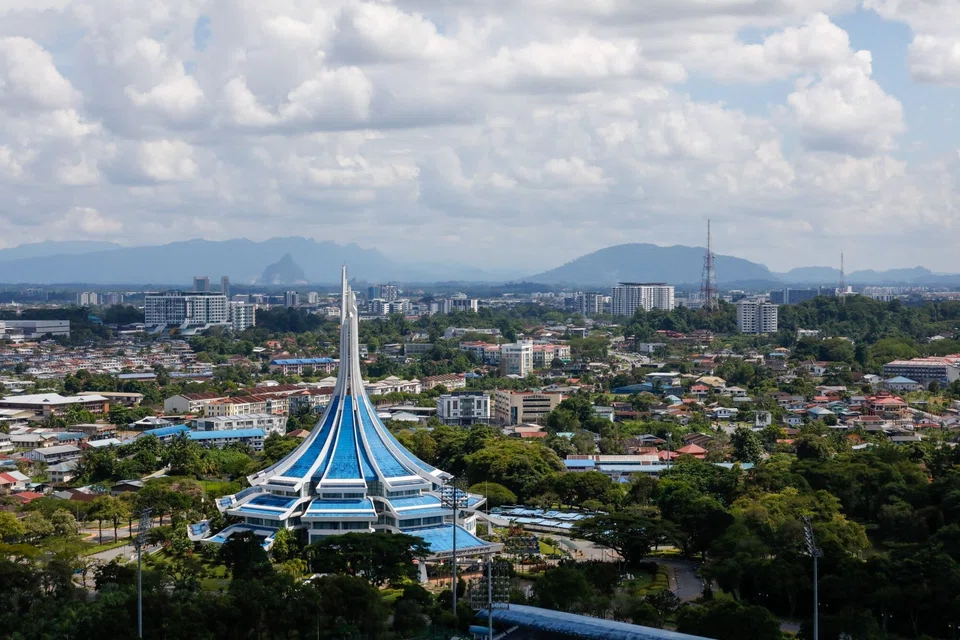
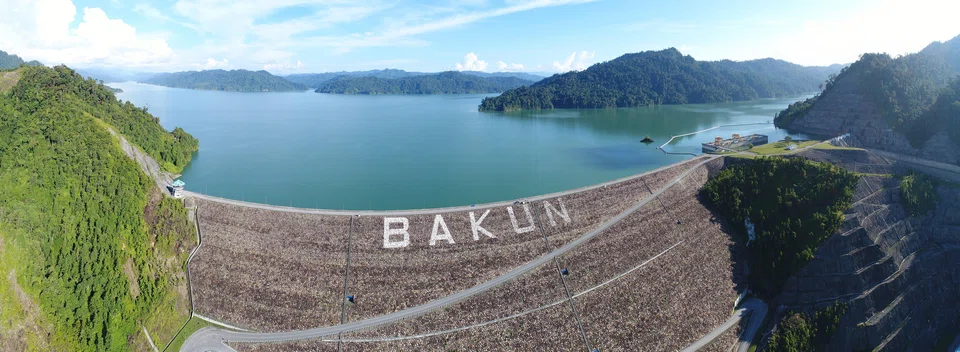
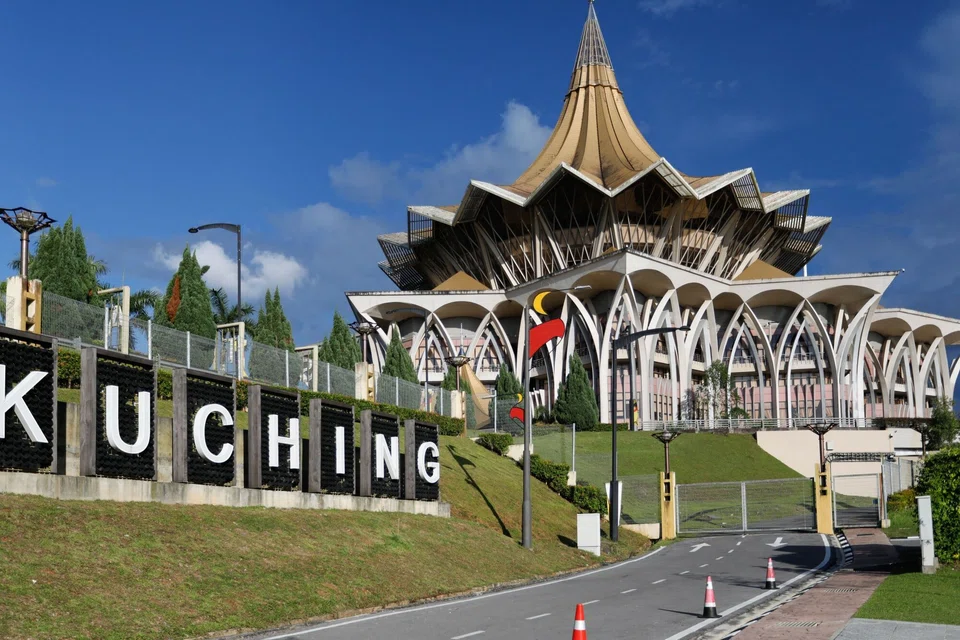

[KUALA LUMPUR] Malaysia’s largest state, Sarawak, blessed with abundant sunshine, land and hydroelectric-power potential, aims to become a clean-energy powerhouse – an ambition that has ramped up competition as nations in the region vie to become the hub for harnessing renewable energy.
Known as the “Land of the Hornbills”, the state in the north-west coast of the island of Borneo aims to supply up to 10 gigawatt (GW) of renewable energy, mainly from its large hydroelectric-power dams, by 2030.
With abundant hydropower resources and a diverse energy mix, Sarawak’s power generation more than meets its own demand, so it is looking to export its surplus energy to other countries, attracting investment and expertise in the process.
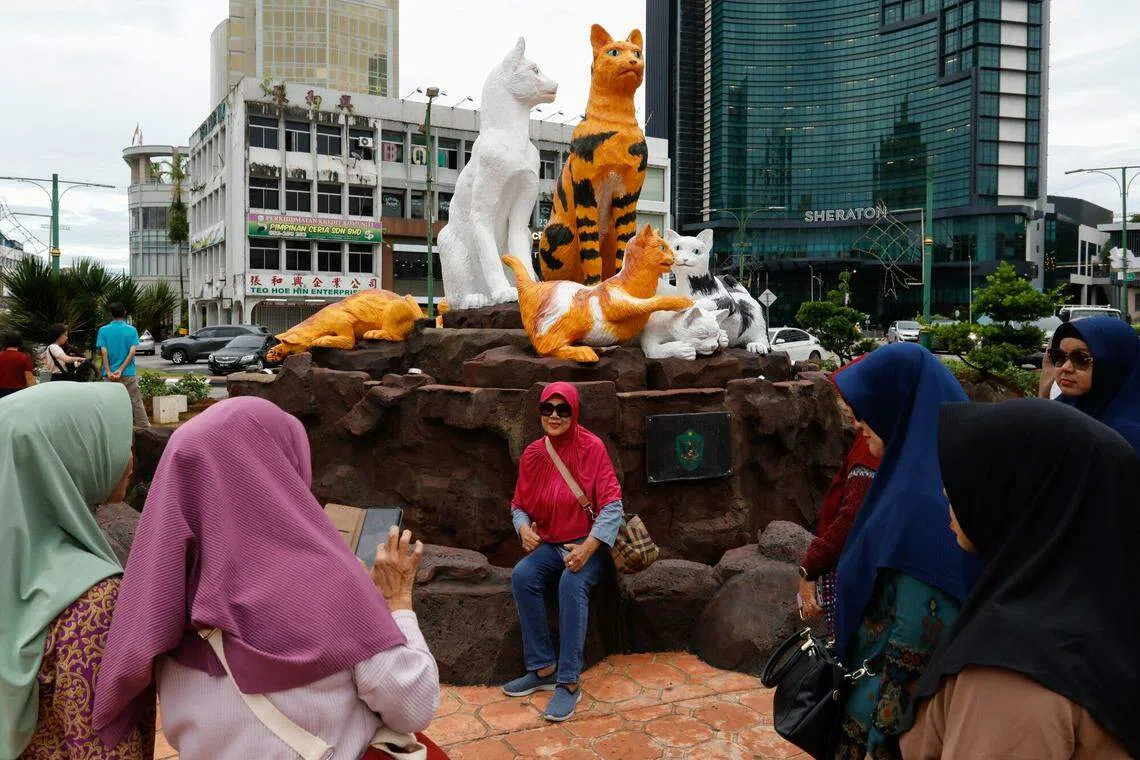
Beyond conventional energy sources, Sarawak is also looking into other clean-energy options, such as hydrogen. The state plans to power public transportation in its capital city, Kuching, with hydrogen energy by 2025.
Five things to know about Sarawak’s renewable power play:
1. Energy leap: From fossil fuels to hydro
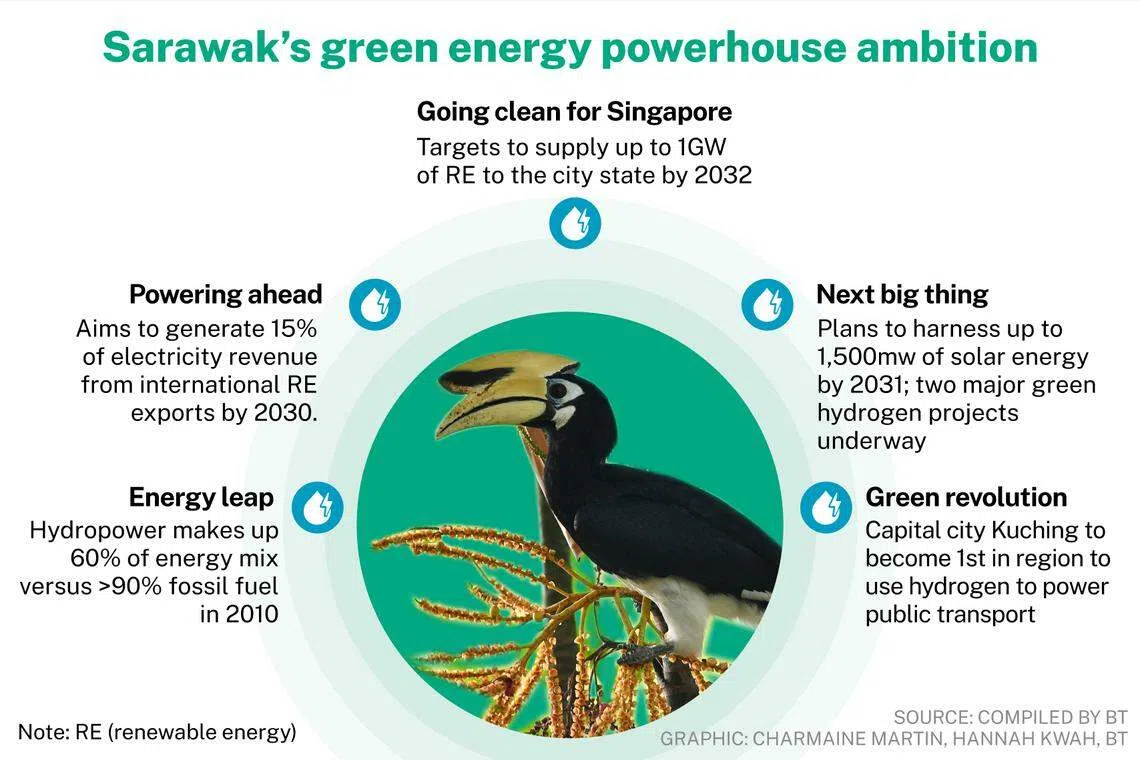
Sarawak generates electricity from sources such as hydropower, natural gas, coal, diesel, and solar energy. But hydropower is the largest contributor, accounting for 60 per cent of the power generated. This is followed by natural gas (22 per cent), coal (17 per cent), and diesel (1 per cent), said state-owned electric utility company Sarawak Energy.
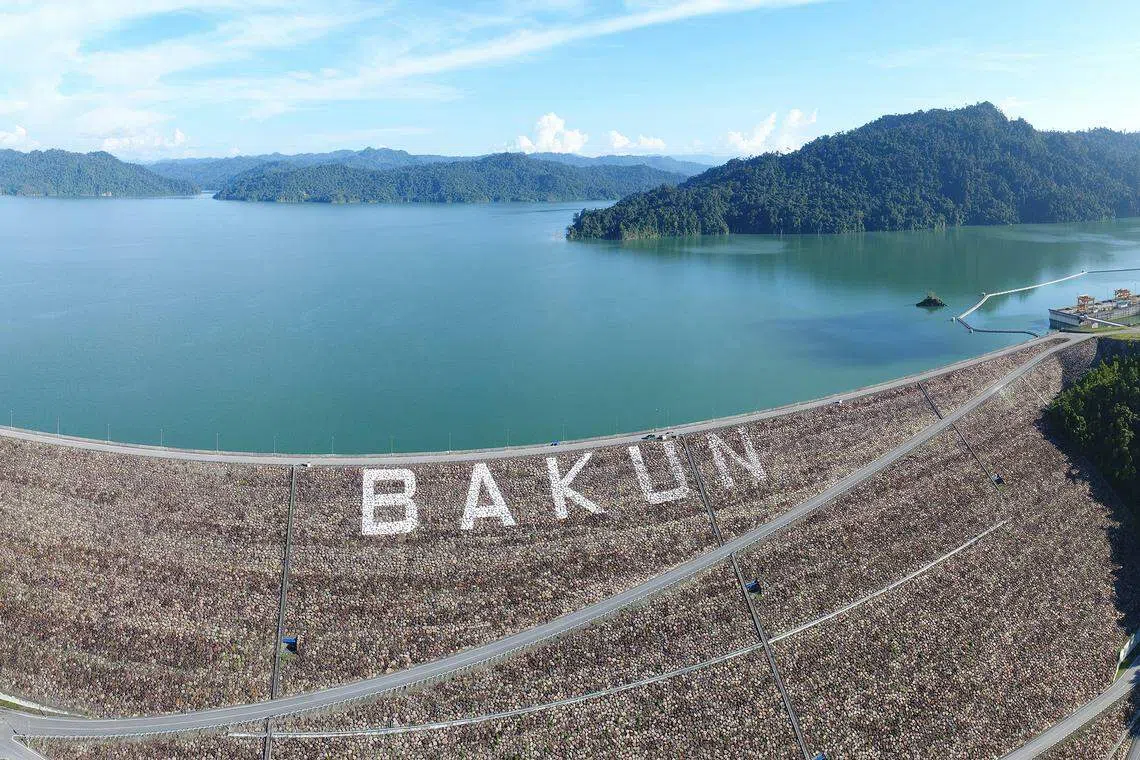
Sarawak operates three hydroelectric dams with a total capacity of 3,452 megawatt (MW): Bakun (2,400 MW), Murum (944 MW), and Batang Ai (108 MW). A fourth such dam, Baleh, is now being built; it is expected to generate 1,284 MW when it starts operation by 2028.
Known for its abundant gas reserves, Sarawak has a 10-year road map to further develop – and use – its gas resource. Energy from this gas will go into industrial development in the state. The supply of natural gas from Petronas will fuel new petrochemical industries, such as the upcoming methanol plant operated by Sarawak Petchem at Tanjung Kidurong.
2. Powering ahead: Exports of surplus energy to drive revenue
Sarawak’s current generation capacity is 5,745 MW, exceeding the present electricity demand of 4,627 MW. The surplus capacity has paved the way for electricity to be exported to its neighbours. The state started exporting electricity to West Kalimantan in Indonesia in 2016.
Sarawak plans to boost its income by exporting its output of renewable energy; it aims for 15 per cent of its electricity sector revenue to come from international markets by 2030. This initiative aligns with regional efforts such as the Asean Power Grid, and the Brunei-Indonesia-Malaysia-Philippines East Asean Growth Area to promote economic integration and cooperation within the region.
3. Singapore: Tapping the green connection
Singapore is in advanced talks to purchase up to 1 GW of renewable energy, primarily hydropower, from Sarawak by 2032. The arrangement will contribute to Singapore’s goal of importing 4 GW of low-carbon electricity by 2035, accounting for 30 per cent of its power needs.
This will be facilitated by a proposed 700-km submarine cable linking Sarawak and Singapore. About 70 per cent of the cable will pass through Indonesian waters.
A consortium led by Singapore’s Sembcorp Industries, along with Sarawak Energy and SP Group, has completed its feasibility study and is working towards finalising a power exchange agreement with the state.
4. Solar power: It’s getting hot
Sarawak successfully pivoted its power sector from one that was 92 per cent fired by fossil fuels in 2010 to one that is 60 per cent fuelled by hydropower in 2015. Between 2010 and 2020, the state’s grid emission intensity went down by 72 per cent.
The East Malaysia state plans to develop up to 1,500 MW of solar capacity by 2031. The first major 50 MW floating solar farm at Batang Ai hydroelectric dam is expected to be commissioned this year.
Additionally, Sarawak is exploring the use of hydrogen as a renewable energy. Two major green hydrogen production projects are underway: H2biscus and H2ornbill are located in the Bintulu Petrochemical Industrial Park.
The H2biscus project aims to produce 7,000 tonnes per annum (TPA) of green hydrogen for domestic use, 600,000 TPA of green ammonia, and 460,000 TPA of green methanol for export by 2027.
The H2ornbill project targets to produce around 90,000 TPA of hydrogen, with 2,000 TPA for local use and the rest for the export market. The total investment value of these two projects is estimated to be around US$4.2 billion.
5. Green revolution: Hydrogen-powered public transport
The development of a hydrogen production plant is expected to support the Kuching Urban Transportation System (KUTS), which will use hydrogen-powered autonomous rapid-transit vehicles and buses.
KUTS, which will have a 70-km network and three lines, is expected to go into operation in stages from the fourth quarter of 2025, possibly making Kuching the first city in South-east Asia to use hydrogen for public transportation. Trial runs of hydrogen-powered buses, which began in 2020, have already ferried over 18,000 passengers.
TRENDING NOW
Philippine power giant First Gen rebuffs foreign offers, plans up to US$2.6 billion in expansion

Cliff Tan has 7 million followers and a 4-month waitlist. Why won’t he expand his business?

Could stablecoins be the future of money?
From finance aspirant to Asean CEO: TUV SUD’s Jonas Strahberger on finding people who believe in you

