


Singapore investors flock to Bali’s new green SEZ, plan to build luxury resort and school
The Indonesian government has actively promoted Kura Kura Bali special economic zone as part of its broader economic strategy to attract foreign capital and diversify the island’s economy beyond traditional tourism

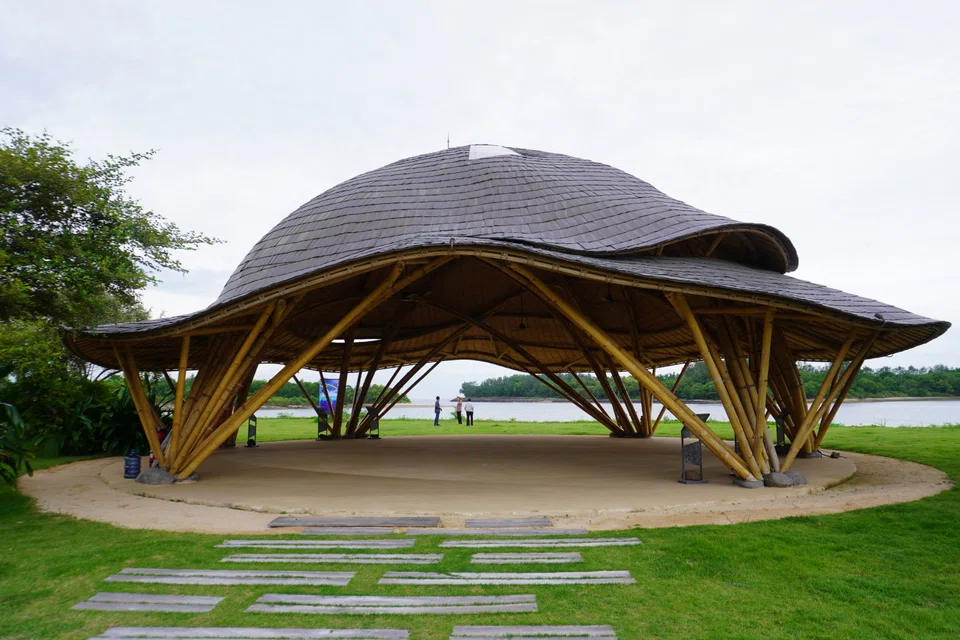
[BALI] Singaporean investors are eyeing opportunities in Kura Kura Bali’s newly established eco-focused special economic zone (SEZ), with plans to develop key projects such as a luxury resort and an international school.
Among the interested parties is the family-owned Tsao Pao Chee Group, led by its chairman Chavalit Frederick Tsao. The group recently signed a memorandum of understanding with Bali Turtle Island Development, the private developer of Kura Kura SEZ, with Tsao attending the signing ceremony in Bali last weekend.
One of the group’s proposed investments is a luxury resort designed to cater to the growing demand for high-end tourism in Bali, particularly from international visitors.
The group is also considering the development of an integrated wellness hub, targeting the growing market of affluent, health-conscious travellers seeking unique and immersive wellness experiences on the island.
The Singapore-based private school Anglo Chinese School (ACS) will open a new campus in Kura Kura, with plans to welcome students in the second half of next year.
Rob Burrough, executive principal at ACS Bali, revealed that the school will occupy a large site and plans to include a dormitory with a total capacity of 350 beds.
Classes for grades 1 to 9 will begin in July 2025, while grades 10 to 12 will be gradually introduced over the following years.
According to Burrough, the school has already received around 250 inquiries from both Indonesian and expatriate families. For its inaugural batch next year, the school expects to enrol 50 to 100 students.
The Bali campus will be ACS’ second school in Indonesia, following the opening of its first campus in Jakarta in 2006.
“This new initiative is a response to the growing expatriate community and the increasing demand for quality educational facilities,” Burrough said.
The Indonesian government has actively promoted the SEZ as part of its broader economic strategy to attract foreign capital and diversify Bali’s economy beyond traditional tourism.
Companies investing at least 100 billion rupiah (S$8.4 million) in the SEZ can enjoy a corporate income tax exemption for the first 10 years. Investments exceeding 20 trillion rupiah may qualify for an extended 20-year tax holiday.
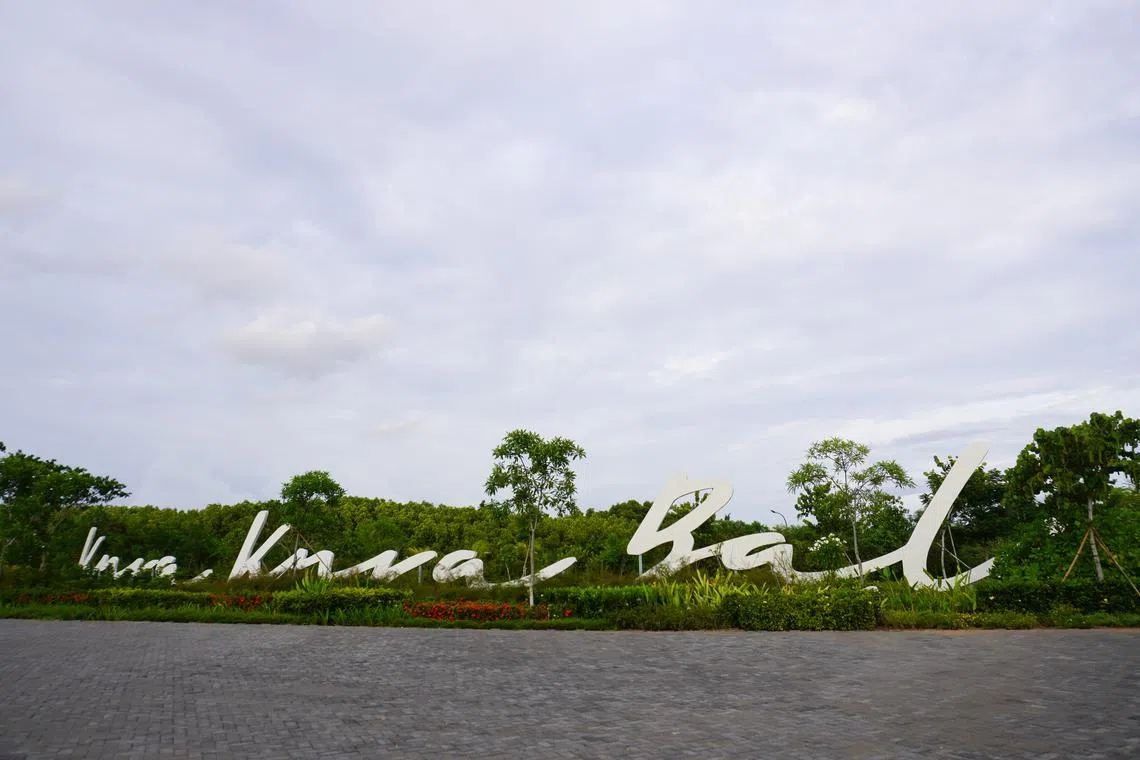
Eco-luxury tourism
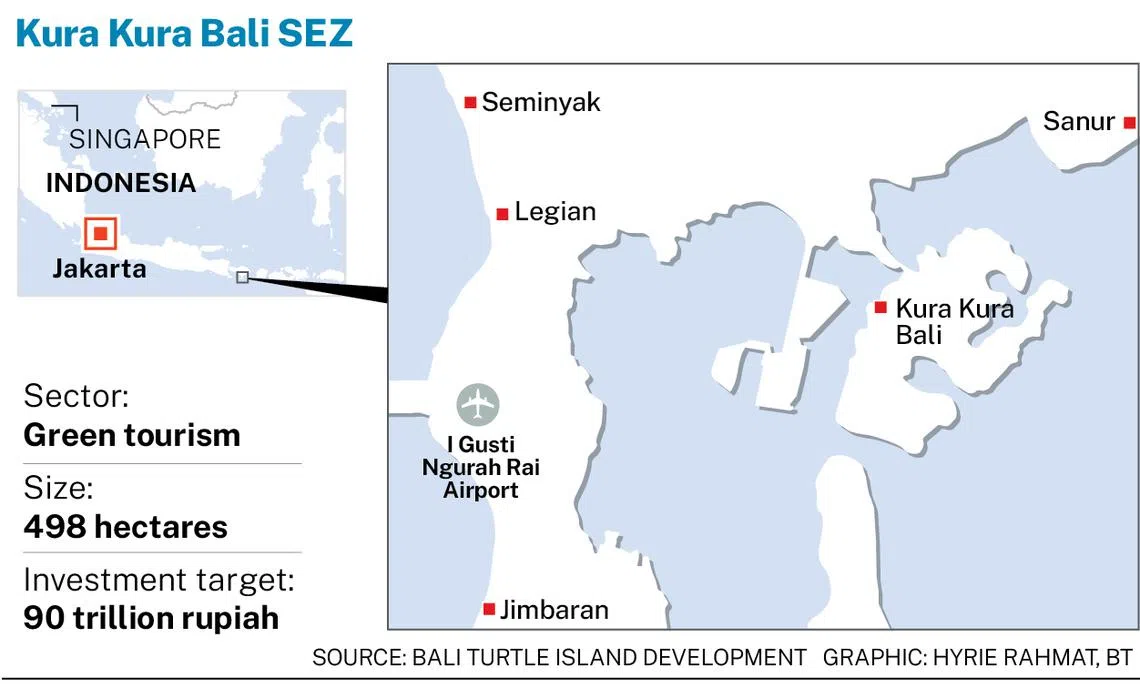
Spanning 498 hectares (ha), Kura Kura Bali is a small island surrounded by mangrove forests off the eastern coast of Bali and currently being developed into an SEZ with a focus on sustainable tourism.
Just 20 minutes from I Gusti Ngurah Rai Airport, the island was officially designated an SEZ in 2023 under the administration of former president Joko Widodo, with a targeted investment of 90 trillion rupiah.
Wendy Tang, chief marketing director of Bali Turtle Island Development, said that the SEZ is being designed as a marina-based mixed-use and integrated resort.
The ambitious project will encompass luxury hotels and resorts, vibrant commercial and mixed-use spaces, a wellness centre, an educational and tech park, and premium residential properties.
Adding to the allure, Grand Outlet Bali – a luxury shopping destination – will span 4.7 ha and represents a US$100 million investment.
Scheduled for full operation by 2026, the outlet is a joint effort between Japan’s Mitsubishi Estate Group and The Grand Outlet Bali, a subsidiary of Bali Turtle Island Development.
Tang said the company has attracted a wave of interest from luxury brands eager to establish their presence in the mall.
“Bali is one of the top locations in Indonesia with a rapidly growing luxury retail market, fuelled by the steady rise in foreign tourist arrivals in recent years,” said Tang.
She added that next year, the company will begin constructing a marina port designed to accommodate luxury yachts. This will be the first international-standard marina port to be built in the archipelago.
Bali Turtle Island Development head of communications Zakki Hakim said that with the SEZ targeted to be fully operational by 2051, the majority of essential infrastructure has already been completed.
This includes roads, electricity, clean water networks, wastewater systems, drainage, gates, area boundaries and telecommunications networks.
The electricity network now covers 60 per cent of the area, and is complemented by a telecommunications network using fibre optic that spans 8 km, which is expected to cover the north side of the island.
TRENDING NOW

Malaysian king buys stake in Singapore-listed mining firm expanding into rare earths

Grab CEO’s wife Chloe Tong on life with Anthony Tan and finding her purpose

Once staunchly pro-China, Malaysian Chinese businesses are now distancing themselves from Beijing

Longer wait times expected as S’pore healthcare institutions report system disruptions

