Vietnam housing market to get busier on foreign demand rebound, urbanisation

Fiona Lam
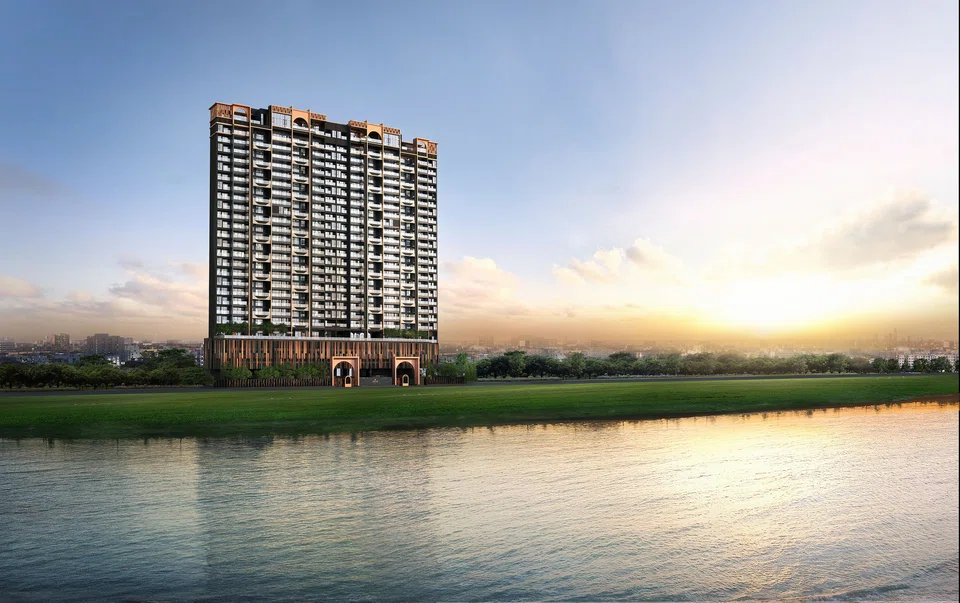
ACTIVITY in Vietnamese residential real estate is expected to pick up in the coming years as the urban population swells and foreign buyers gradually return to the nation’s property market, industry players told The Business Times (BT).
David Jackson, chief executive of Colliers in Vietnam, highlighted the country’s continued strong economic growth, rising middle-income class, improved purchasing power, and rapid urbanisation rate.
Furthermore, demand outweighs supply in every real estate market segment in Vietnam, with “high levels of capital appreciation”, he said.
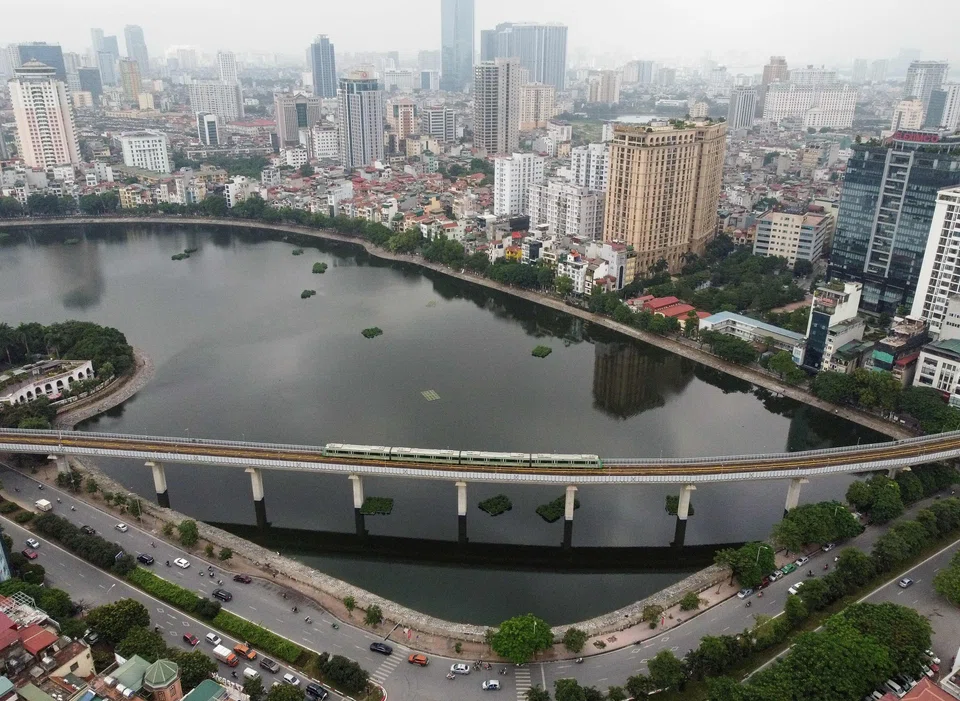
Savills Vietnam deputy managing director Troy Griffiths sees urbanisation as the key forward indicator for the residential market, as growth in urban areas will require a diversity of products. Proportionally, the country’s infrastructure spend is also one of the highest in the region, and this will continue to reshape urban areas and land values.
Management consulting firm McKinsey & Company wrote in December 2021 that while Vietnam’s urbanisation has often been centred around the populous cities of Hanoi and Ho Chi Minh City (HCMC), the sources of urban consumption are likely to spread to smaller cities such as Can Tho, Da Nang and Hai Phong, where the middle classes are set to grow, in the next decade.
In addition, as Covid-19 restrictions recede and following the country’s reopening to foreign visitors in March 2022, there will likely be a resurgence in interest from foreigners looking to live in Vietnam. This should lead to an upswing in demand for rental apartments in all categories, said Tony Picon, executive director of real estate agency Chestertons Vietnam.
However, he flagged a likely significant increase in supply being released to the market over the next few years, after some projects were put on hold during the pandemic.
“Foreign buyers should therefore assess the situation carefully and do due diligence to find the right property that suits their personal or financial needs,” Picon added.
Over US$2.8 billion of foreign direct investment was poured into the country’s real estate sector in the first 4 months of 2022, based on data from Vietnam’s Ministry of Planning and Investment. That already outpaced the full-year figure of about US$2.6 billion in 2021, and is more than double the US$1.1 billion injected in January to April 2019.
Savills’ Griffiths noted that when foreign buyers were absent from the residential market for 2 years due to the closure of international borders, it came at a time when HCMC recorded historically low supply levels.
“Demand from Vietnamese buyers has been strong, with a very high absorption of 83 per cent in Q1 2022. Neighbouring provinces such as Dong Nai and Binh Duong have benefited from the lack of supply in HCMC,” he added.
In 2015 to 2020, foreigners bought some 16,000 housing properties across Vietnam, a “sharp increase” from the 2008-2014 period, said Colliers’ Jackson, citing estimations by the Ho Chi Minh City Real Estate Association.
This upward trend was in part due to the housing law amendments in 2015, which permitted homeownership for foreigners with valid entry visas in Vietnam. The government has also been improving the legal framework, creating more favourable conditions for foreign investors looking into Vietnam’s residential market, Jackson noted.
On top of that, optimistic forecasts of Vietnam’s economic growth have helped spur interest from overseas investors. The country is expected to attract more expatriate workers, which will also boost demand for housing, Jackson said.
Asked about concerns over rising interest rates and inflation, Griffiths said it is yet to be determined whether these will impact investor interest in Vietnam.
“Domestic purchasers are already familiar with a high interest rate environment. However, this does not generally impact the primary residential market,” he told BT. For instance, purchasers can buy primary apartments from developers through a schedule of payments, and developers are also partnering banks and using their balance sheets to enable buyers to have extended payment periods before issuing land use right certificates.
“It is doubtful that inflation will impact Vietnamese property, and we expect there may be a defensive run that will promote investment,” Griffiths added.
Jackson noted that the increase in real estate lending rates “largely target speculators, and is expected to give more room for long-term investors and homebuyers who are end-users”.
“Foreign investors looking into the Vietnamese residential market now have more variety of products, yet it is a must to do their homework in advance,” he cautioned.