


From the West for the best: How the South Korean wave is redefining aesthetics
Western tourists are flocking to South Korea for top-quality aesthetic treatments, showcasing the global pull of the country’s culture and beauty credentials. This is Part 4 of our series on Asia’s medical tourism

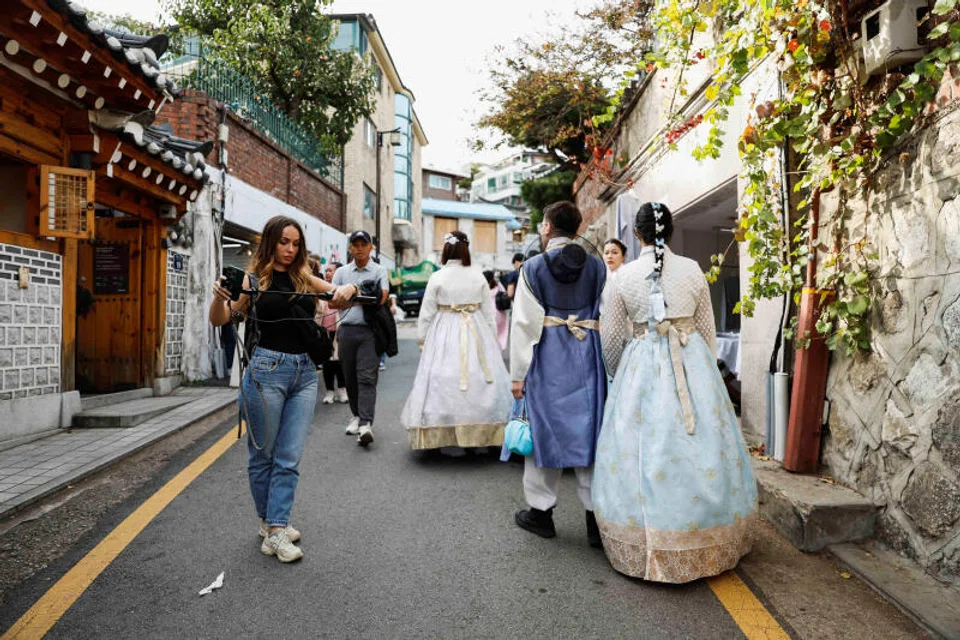
SOUTH Korea’s booming medical industry has been seeing new faces in recent years – not just from its famed cosmetic procedures, but also from a growing influx of Westerners. As the beauty hub gains global attention, fuelled in part by the pandemic and the rising appeal of Korean culture, the industry is seeing unprecedented growth.
In 2023, South Korea hosted some 606,000 international patients, a staggering 150 per cent jump from 248,000 in the preceding year, based on data from the country’s Ministry of Health and Welfare released in April last year. This was the highest since the nation began tracking foreign patient numbers in 2009.
More than half of the foreign patient visits at hospitals and clinics in 2023 were for dermatological treatments and plastic surgery, according to a report by the Korea Herald, citing goverment data, in October last year.
Plastic surgery continues to be a top attraction, with sought-after procedures such as rhinoplasty, breast augmentation, liposuction and facial contouring drawing patients from around the globe.
However, the spotlight is increasingly shared with less invasive dermatological treatments such as Ultherapy, Thermage and microneedle injections, which improve skin quality.
These have more natural results, and are generally safer and less painful, said Dr Choi Woong, head doctor at VS Line Clinic Signature Center, a dermatology clinic located in the Apgujeong area of Seoul.
Accompanying this surge is a noticeable increase in patients from the West, reflecting South Korea’s growing global influence in the beauty scene.
“It’s like going to Japan and eating sushi… you come to Korea and get procedures done,” said Dr Jung So-jung, a doctor at VS Line Clinic.
Fine lines
Several key advantages solidify South Korea’s status as a global beauty hub, drawing a growing number of foreign patients, particularly from the US.
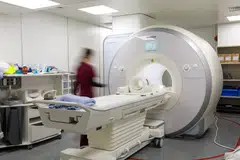
The country is celebrated for its cutting-edge medical technology and well-regulated industry, ensuring safety and premium quality. Affordable pricing is also a major factor, with procedures costing significantly less than in the US. Botox treatments, for example, can cost less than US$50 in South Korea, compared with several hundred dollars in the US.
While beauty remains the main draw, interest in wellness has surged as well, with demand for traditional Korean medicine, including acupuncture and herbal treatments, outpacing that for other medical fields.
The health ministry report released last April noted that the US was the third-largest source of South Korea’s foreign patients in 2023. The number of patients from there climbed 32 per cent from 2019 levels to 76,925, said Park Kyung-soo, partner at Samjong KPMG.
There was also a sharp increase in medical visitors from Canada, with the figure surging nearly 90 per cent to 9,377 patients over the same period.
Medical tourists to South Korea have typically hailed from countries in North-east and Central Asia, including Japan, China, Russia and Mongolia, Park noted.
“Recently, however, there has been a significant rise in visitors from Western nations like the US and Canada,” he said. In fact, both countries have been the top sources of patients visiting South Korea since 2009, he added.
Industry players have also felt this shift first-hand.
The Hallyu cultural wave
Before 2019, most patients came from China and Japan. But now, “thanks to the power of K-drama and K-pop, we’re seeing patients from North America, Singapore, Indonesia, and even European countries”, said Dr Choi of VS Line Clinic.
Around 95 per cent of Docfinderkorea’s clients opt for beauty-related procedures, including plastic surgery, dermatology treatments, dental care and hair transplants, said Anna Isabella, manager at the concierge service for beauty and medical tourism.
Recent reports reflect this growing interest in South Korea’s beauty and medical services.
The Korea Herald reported that foreign dermatology patients in the country surged 181 per cent compared to pre-pandemic 2019, while the number of plastic surgery patients rose 26 per cent over the same period.
Much of this growth could have been driven by the rising number of Western clients.
Docfinderkorea – which operates in eight languages including English, Mandarin and Russian – reports that 60 per cent of its clients come from the US and Canada. South-east Asians account for 15 per cent, with the rest coming from Australia, Commonwealth of Independent States countries, the Gulf, East Asia, Europe, South Asia and Africa.
The European audience, in particular, has grown steadily since the pandemic, Isabella added.
Dr Jung noted that the US is the top source of clients for VS Line Clinic Signature Center, thanks to the English translation services and consultations offered by both her and Dr Choi.
“I don’t think I saw this many incoming medical tourists (before), especially (from) America or European countries,” she said. “And the clinics which didn’t have any English translators started hiring those people, or creating an app where there is translation and consultation.”
Similarly, North Americans form the main clientele at medical concierge service Seoul Cosmetic Surgery (SCS), comprising about 45 per cent. Clients from New Zealand, Australia, Europe and the Middle East round things out.
SCS’ 2023 revenue was “three to four times” higher than in 2019.
Recognising the untapped and growing market when it was established in 2016, she decided to take the road less travelled and target the Western market, rather than focusing on China, said co-founder Mona Lisa Hanson.
‘Netflix effect’
Entertainment has been a major factor fuelling interest in Asian beauty standards, with industry players pointing to the “Netflix effect”.
“There has been a push to promote Korean content,” said Hanson, citing Netflix Korea’s role in boosting global exposure during Covid-19 when more people sought entertainment at home.
A Netflix-Deloitte report noted that 12 Korean shows made the subscription video-streaming service’s top 100 titles in 2020, with hits such as Sweet Home drawing 27.6 million viewers and ranking in the top 10 in 76 countries.
Netflix has played a key role in spreading K-culture globally, contributing 489 billion won (S$455.9 million) to gross domestic product in 2020 through its impact on tourism, food, beauty and fashion, with growth expected post-pandemic.
Similarly, music group BTS soared in popularity during the pandemic, topping charts, hosting virtual concerts, and earning Time’s Entertainer of the Year title in 2020.
“I’ve had clients that are like: ‘Mona, I want to look like a K-pop idol’,” said Hanson. “Before Covid, they wouldn’t be able to tell me what a K-pop idol is.”
Another factor, noted KPMG’s Park, was the pandemic-driven rise in demand for home-care products, which brought global attention to South Korea’s cosmetics and beauty devices.
Quality meets affordability
The country is renowned for its affordable, high-quality treatments, driven by fierce competition among aesthetic medical businesses. The cost of procedures is so low that “literally everyone can enjoy” them, said Dr Choi.
Dr Jung added: “If you were to get one procedure in the US, you can get up to 10 procedures here, because the cost difference is vast.”
She also said that the favourable exchange rate, with the US dollar strengthening against the won, has further boosted affordability.
Before the pandemic, many Docfinderkorea patients divided surgeries over multiple visits, spending five million won to 15 million won per trip. However, during Covid-19, 97 per cent of patients consolidated their procedures into a single visit, spending 15 million won to 30 million won.
This trend has persisted post-pandemic, with greater variations in expenditure, reflecting a preference for efficiency and fewer trips, said Isabella.
OCBC chief economist Selena Ling noted the allure of an overseas holiday coupled with relatively more affordable beauty treatments. She added that market perception of South Korea’s beauty industry “may be that it is better quality and more regulated compared to some other Asian economies”.
Top-of-the-line equipment is another key advantage. Plus, the country has no shortage of experienced experts.
“They trust our ability,” said Dr Jung. VS Line Clinic sees 400 to 500 foreign patients each month, though it also caters to locals. This has the added benefit of appealing to tourists, she said, as they like to go where the locals go.
Additionally, aesthetic procedures could be viewed as taboo in some visitors’ home countries, but are widely accepted in South Korea, Dr Jung said.
Beyond beauty
While beauty remains the main draw, industry experts note a growing interest in general wellness spurred by the pandemic. Medical check-ups have become increasingly popular, said Hanson, who also observed a rising demand for “oriental medicine”, including acupuncture and herbal treatments.
The number of foreign patients seeking such treatments more than quadrupled in 2023 compared to 2022, said KPMG’s Park, noting comparatively lower growth in areas such as general internal medicine (39 per cent) and orthopaedics (36.3 times).
The glow
The South Korean government has been supportive of the industry, announcing in 2023 its plan to make the country a medical tourism hub in Asia and attract 700,000 international patients in 2027.
While the country’s recent political strife could blemish the resilient sector – prolonged instability may deter foreign visitors – its glow is likely to remain, bolstered by its global reputation for high-quality, affordable treatments and the enduring influence of Korean culture.
But given the sector’s rapidly expanding demand and supply, Dr Choi worries that the market may be oversaturated.
High demand has lowered barriers to entry, particularly for non-invasive aesthetic clinics, which face fewer sanitary regulations than plastic surgery centres. This potentially leads to compromised standards.
To address these challenges, Dr Choi is exploring opportunities to expand his services beyond South Korea’s borders. He said: “What I expect is… good doctors, they will fly out to other countries.”
Read more stories in BT’s Asia Health Haven series
Coming up next: Indonesia
Decoding Asia newsletter: your guide to navigating Asia in a new global order. Sign up here to get Decoding Asia newsletter. Delivered to your inbox. Free.
Copyright SPH Media. All rights reserved.
TRENDING NOW

Malaysian king buys stake in Singapore-listed mining firm expanding into rare earths

Family offices ‘kept captive’ by relationship managers turn to independent advisers, direct deals

Once staunchly pro-China, Malaysian Chinese businesses are now distancing themselves from Beijing

Could stablecoins be the future of money?

