


Musk is beating China’s 203,000 paper satellites
The country’s plans are best understood not as a genuine expansion, but a bid to hobble the front-runner
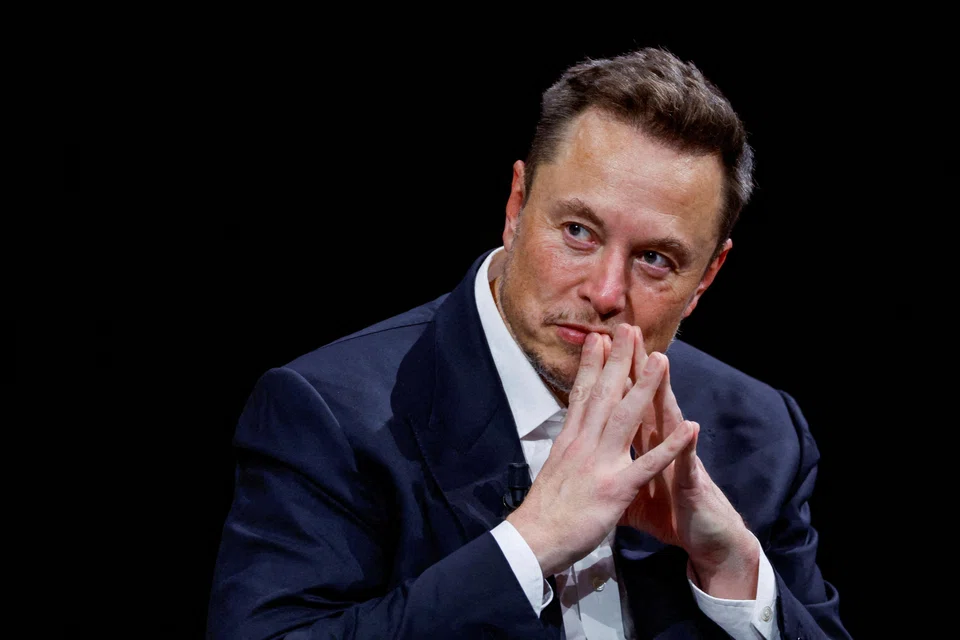
IF ORBITAL space is the 21st century’s high seas, China looks to be preparing an armada. Government plans submitted late last year to the United Nations’ International Telecommunications Union, or ITU, promise a fleet of 203,000 satellites to be deployed by the mid-2030s.
That would dwarf the ambitions of Elon Musk or Jeff Bezos: SpaceX’s Starlink network has nearly 10,000 orbiters so far, while Amazon.com’s Leo constellation will top out at just 3,232. It sounds like an alarming plan for control of space. But while there’s undoubtedly a land grab underway 600 kilometres above the ground, it’s one that Musk is winning.
China’s plans are best understood not as a genuine expansion, but a bid to hobble the front-runner. The number of objects orbiting the earth is rising at breakneck speed. Two key innovations – reusable rockets such as SpaceX’s Falcon 9, and the development of resilient and lightweight components that enable smaller craft – have slashed launch costs.
TRENDING NOW

S$8 billion wiped off OCBC value as shares slide 5.8% in heavy trade

Grab CEO’s wife Chloe Tong on life with Anthony Tan and finding her purpose

Brookfield denies accusation it cut Soilbuild out of Mapletree deal
8 public officers referred to police over property buys near unannounced MRT stations: Chan Chun Sing

