

From petrodollar to AI dollar: Can the greenback continue to rule?
Dominance in AI gives the US a big advantage, but the AI dollar is unlikely to be a true successor to the petrodollar
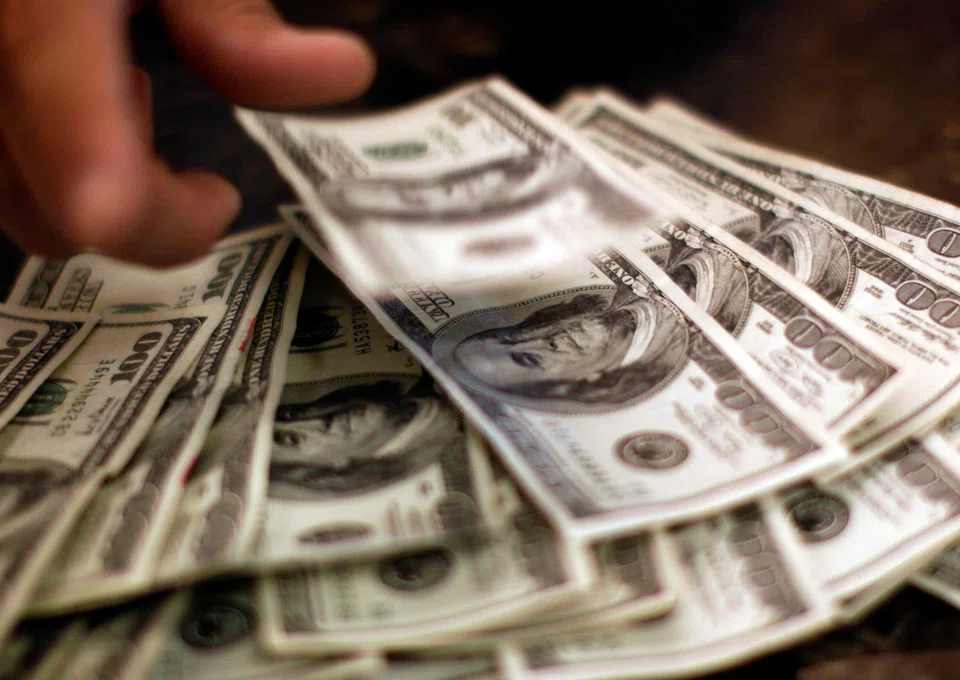
[SINGAPORE] The foundations of dollar power are shifting. One of its pillars has been the petrodollar. The oil shocks of the 1970s generated enormous current-account surpluses for oil exporters, who accumulated dollar deposits and US securities while Western banks recycled some of these petrodollars as loans to developing countries.
The petrodollar’s heyday ran from the 1970s to the early 2010s, although oil revenues weakened during parts of the late 1980s and 1990s.
From 2014, its importance gradually diminished. The shale revolution reduced US dependence on imported oil, oil prices became less consistently high, Gulf states diversified their investments, and China, Russia and countries under Western sanctions experimented with non-dollar settlement. At last week’s Brics summit, members committed to promoting the use of local currencies for trade settlements.
TRENDING NOW

DBS, OCBC, UOB rout lops billions off STI as inflation, rate concerns spook investors

Grab CEO’s wife Chloe Tong on life with Anthony Tan and finding her purpose
OCBC sheds S$8 billion in value as shares close nearly 6% down; analysts cautious on banks

Deal between tycoon friends sparks scrutiny of Philippine power sector

