

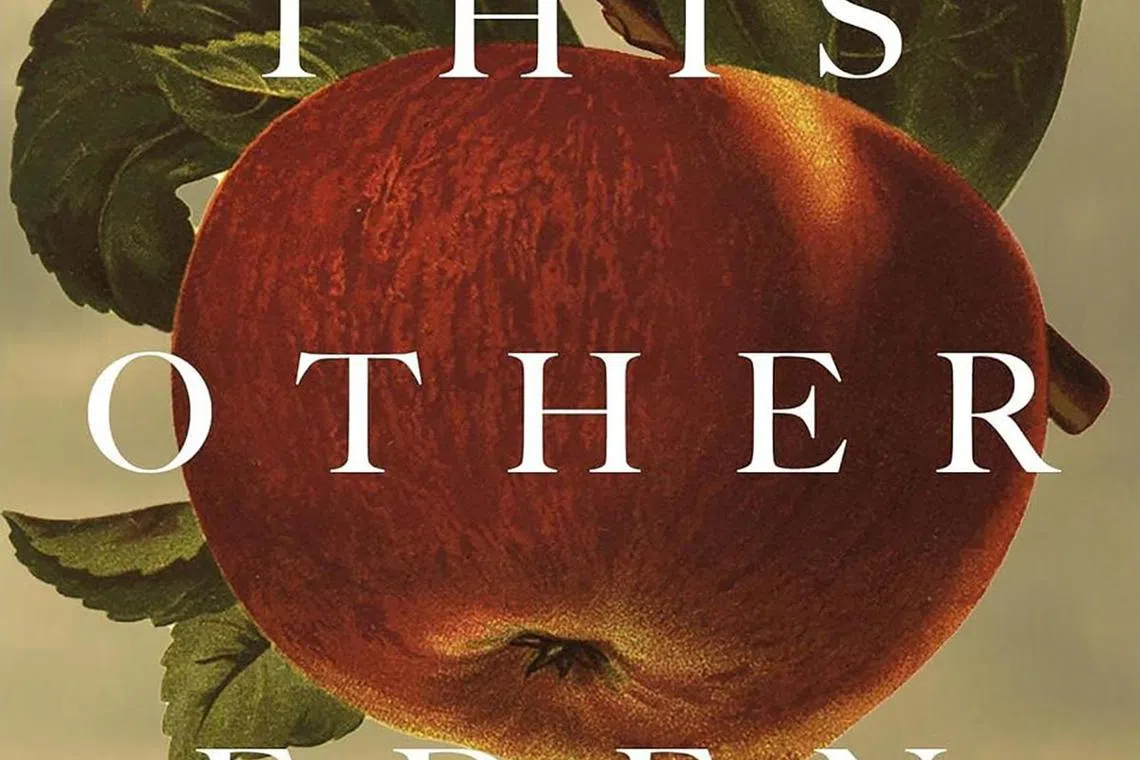
This Other Eden: A tale of paradise gained – and lost
Paul Harding acquaints us with a tragedy-bound island community that is nevertheless full of warmth, fellowship and dignity
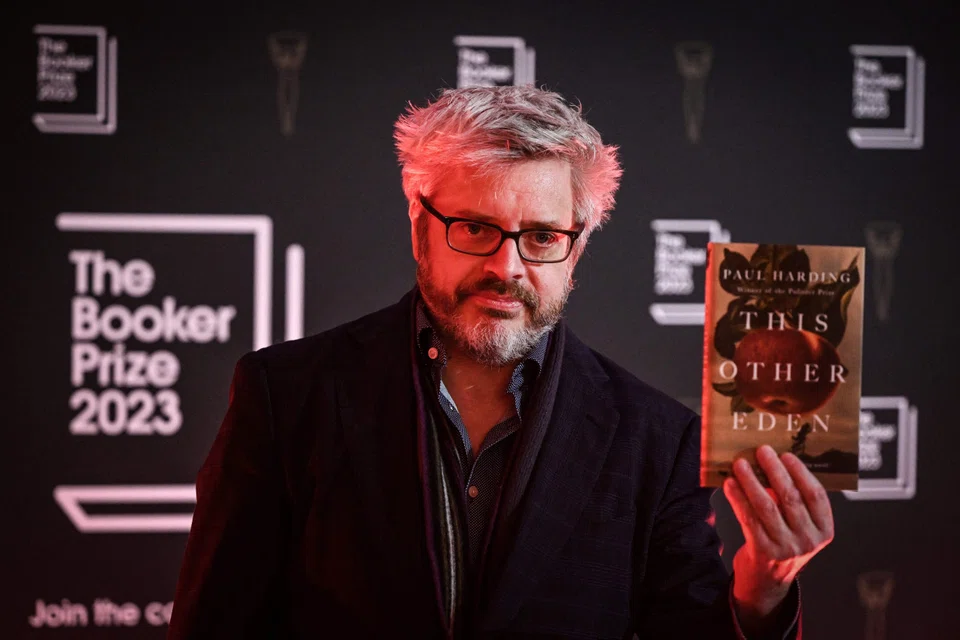
PAUL Harding’s This Other Eden opens with an epigraph telling us that in 1912, the residents of a small mixed-race community – deemed “degenerate” by mainlanders – were forcibly evicted from their island home in the US state of Maine.
While this historical injustice serves as the inspiration for his Booker Prize-nominated novel, its focus isn’t solely tragic. Rather, much of its imaginative energy is gathered towards envisioning the lives and workings within a community that, untouched by mainland prejudices, is animated by a spirit of egalitarianism and unconditional love.
At the turn of the 19th century, former slave Benjamin Honey and his Irish partner Patience settle on the fictional Apple Island, laying the foundations for a lively multi-ethnic community. A century later, the Honey family – descendants of Benjamin and Patience – includes matriarch Esther, who begat her children under harrowing circumstances, and her fair-skinned grandson Ethan, who shows early promise as a painter. They live alongside other families of diverse hues and backgrounds – a veritable microcosm fit to populate an Eden.
Under the careful light cast by Harding, life on Apple Island truly appears paradise-like. In prose that is lush, lyrical and laden with biblical references, he roves over the island landscape and the overlapping stories of its inhabitants with a painterly eye, describing scene after elegant scene in ethereal detail. There is great abundance on Apple Island – of nature, of beauty, and of humanity, in every sense of the word. The islanders, “in whose veins ran blood from every continent but Antarctica”, exude real warmth, fellowship and dignity, and we sense that this is made possible by the innocence and naivety of an insular existence far from a mainland gripped by the cold rigidities of eugenic science.
But then, any idyllic spell is meant to be broken. A “plain white” minister sent by the mainland, Matthew Diamond, arrives on the island to open a children’s school and read Sunday sermons. He is sincere and well-meaning, yet Esther senses that his coming will visit “greater, probably utter, catastrophe” upon them all. Interspaced between the narrative sections are ominous document clippings detailing contemporary views on racial science and social Darwinism, as well as mainland concerns regarding the islanders’ genetic, mental and moral purity. These portents swirl, then gently but firmly carry the story towards its inevitable and heartbreaking conclusion.
The novel is awash with an all-encompassing – some might say old-fashioned – humanism from which not even the colonisers are exempt. Diamond consciously tries to reject the racial prejudices he knows lie deep within himself. Even a stone-hearted labourer is unable to follow through with the thankless task of exhuming the island’s dead for relocation. This unwavering emphasis on innate humanity allows Harding, through the old dictum of “show, don’t tell”, to properly express the magnitude of the injustice wrought by the state upon Apple Island’s residents. Paradise, in the end, is truly lost.


There’s an unabashed sentimentality here that, along with the quasi-historical bent and fierce sweep of humanism, recalls past Booker winners such as 2014’s All The Light We Cannot See and 2017’s Lincoln in the Bardo. Whether this book will be similarly garlanded by the month’s end – it’s up for the US National Book Award too – remains to be seen, but its steady spotlight on human bonds and compassion makes for a timely reminder during these fractious times.
Decoding Asia newsletter: your guide to navigating Asia in a new global order. Sign up here to get Decoding Asia newsletter. Delivered to your inbox. Free.
Copyright SPH Media. All rights reserved.
TRENDING NOW

Once staunchly pro-China, Malaysian Chinese businesses are now distancing themselves from Beijing

Looking beyond looming CEO succession, should UOB potentially pursue a transformative merger?

Could stablecoins be the future of money?

Grab CEO’s wife Chloe Tong on life with Anthony Tan and finding her purpose

