Restoring St James Power Station, one brick at a time
The conservation building is one of this year’s architectural heritage award winners

Tay Suan Chiang
HOW do you treat a building that is nearly a century old? With much patience and tender loving care.
That was what the team at W Architects did when it was commissioned by Mapletree Investments to restore St James Power Station.
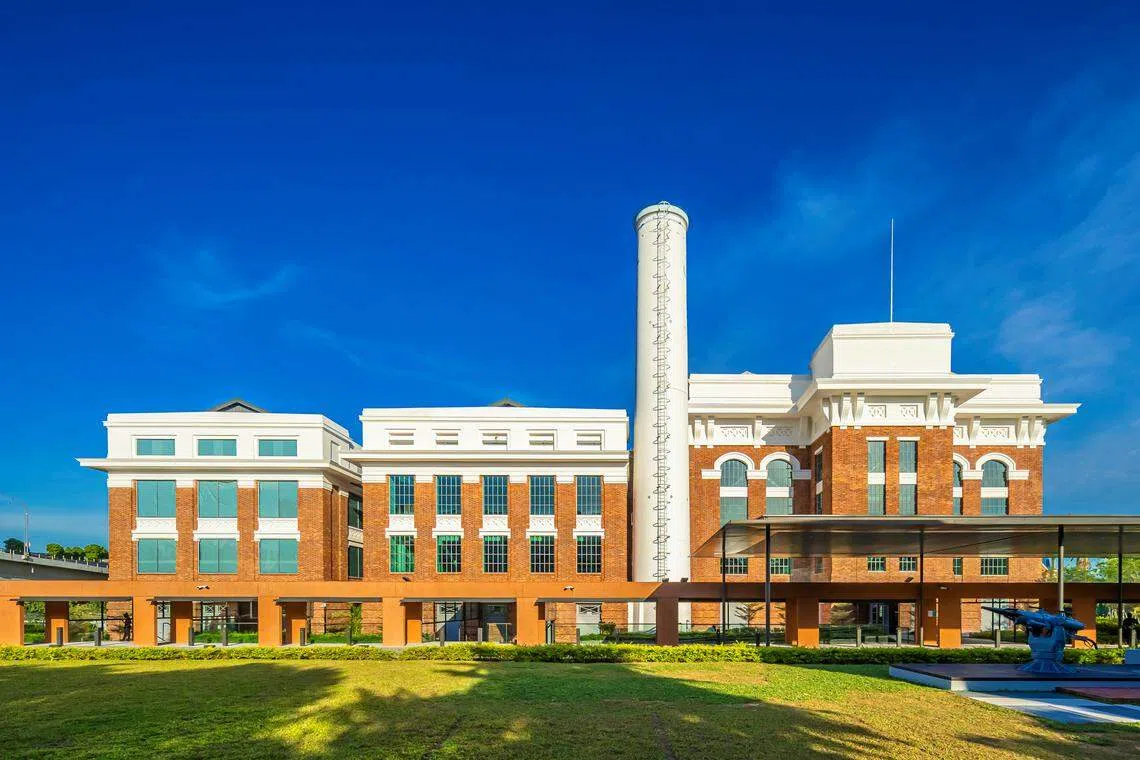
Opened in 1927, the power station was designed by municipal architect Alexander Gordon to meet the growing industrial and domestic needs for electricity.
For the restoration project, W Architects also worked with Studio Lapis, an architectural heritage conservation firm.
Ho Weng Hin, Studio Lapis’ founder partner, says one of the biggest challenges of the project was restoring the fair-faced brickwork on an unprecedented scale – which quickly became rather taxing for the team.
“In restoring the bricks, our approach is maximum retention and minimum intervention. The restoration works are mainly to restore the integrity of the bricks and not to over repair, to present the patina and age of the almost 100 years old monument,” says Ho.
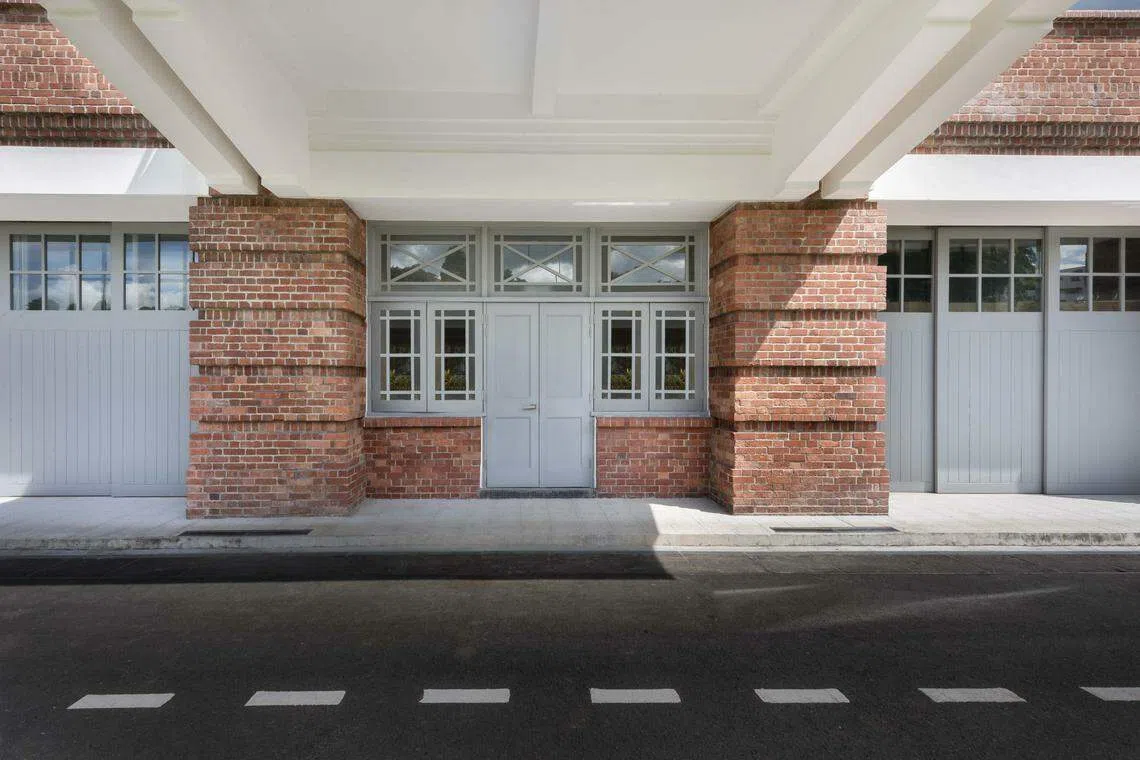
The team developed a methodology for the restoration of the bricks following a stringent and scientific process of laboratory tests and on-site trials.
The first step involved detailed mapping of the condition of each brick, and trials on various methods of repairs.
Next was a benchmarking exercise to determine the repair methods for different situations and the severity of brick deterioration. The start and end treatments for the bricks were to clean and to apply water-repellent, respectively. In between, various methods of repairs – such as patching, repairing cracks and replacing bricks – were carried out.

“The brick restoration had to be done by hand and brick by brick as the surfaces were relatively delicate, and precision was required for the repairs,” says Ho.
The power station was decommissioned in 1976, and gazetted as a national monument in 2009. It was last leased out as a nightlife complex before it was closed in 2018.
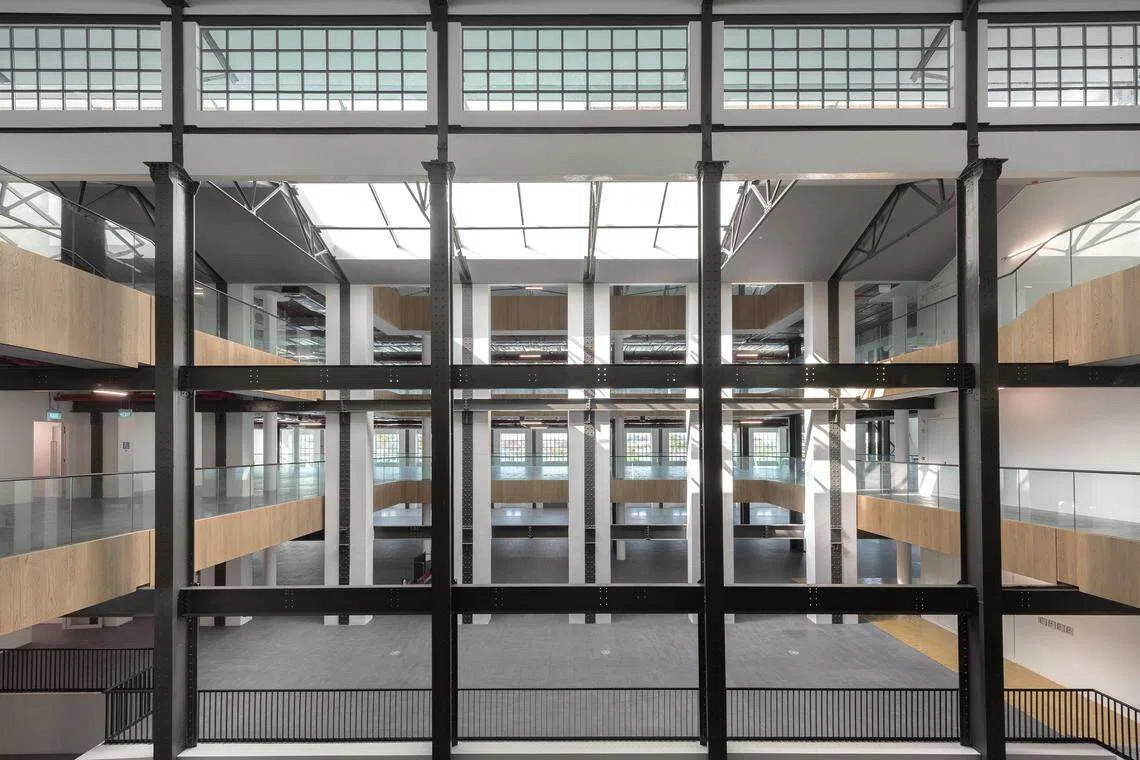
After a four-year restoration, St James Power Station was reopened earlier this year and is now the global headquarters of British technology company Dyson.
Besides the facade, the interiors also needed work. Ho recalls that there was still the lingering smell of cigarette smoke and a musky odour when he first stepped into the building in 2017.
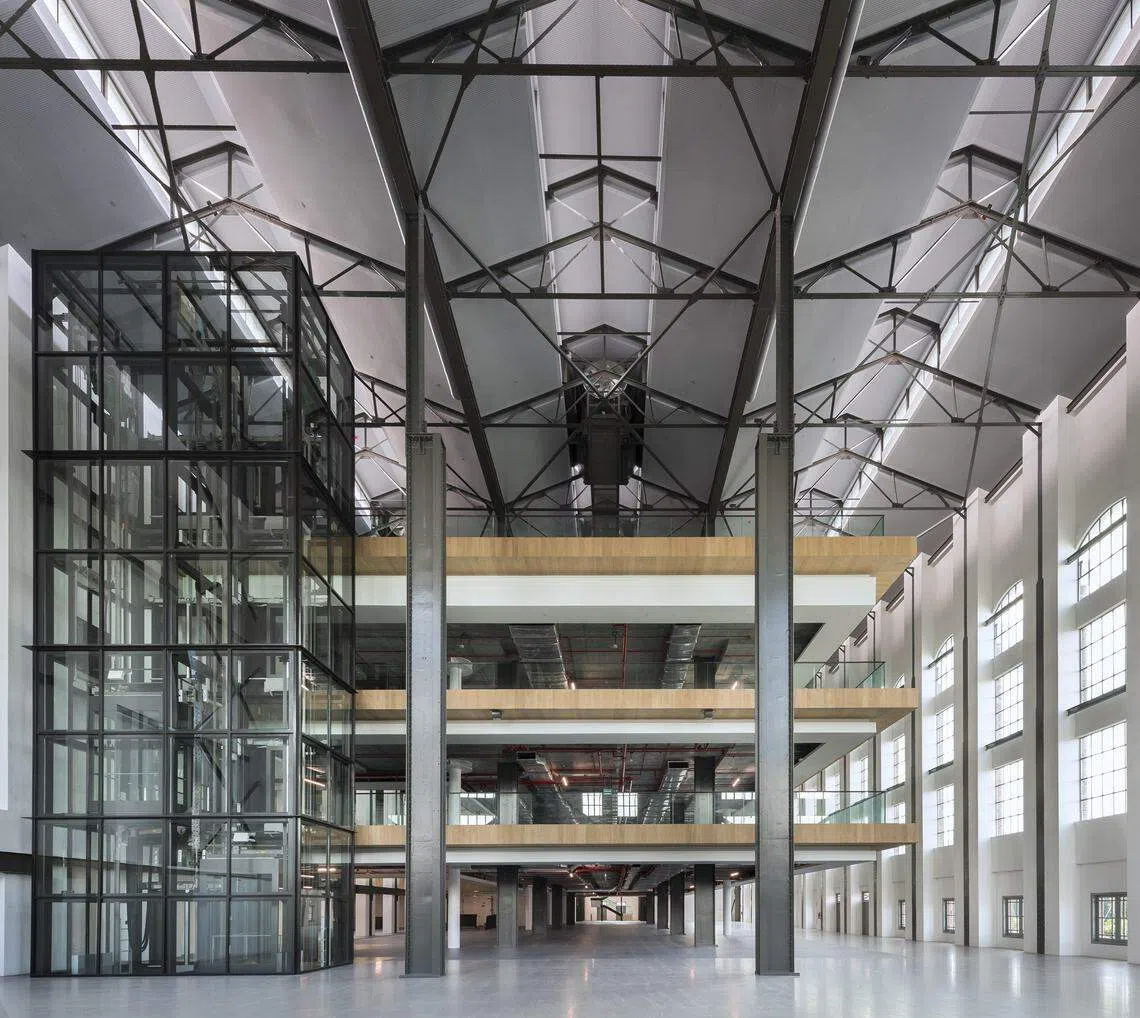
The original soaring ceiling and cavernous spaces could not be appreciated as the interiors had been previously subdivided into different entertainment spots. Most of the internal spaces had been painted black, and the building’s large windows were mostly boarded up.
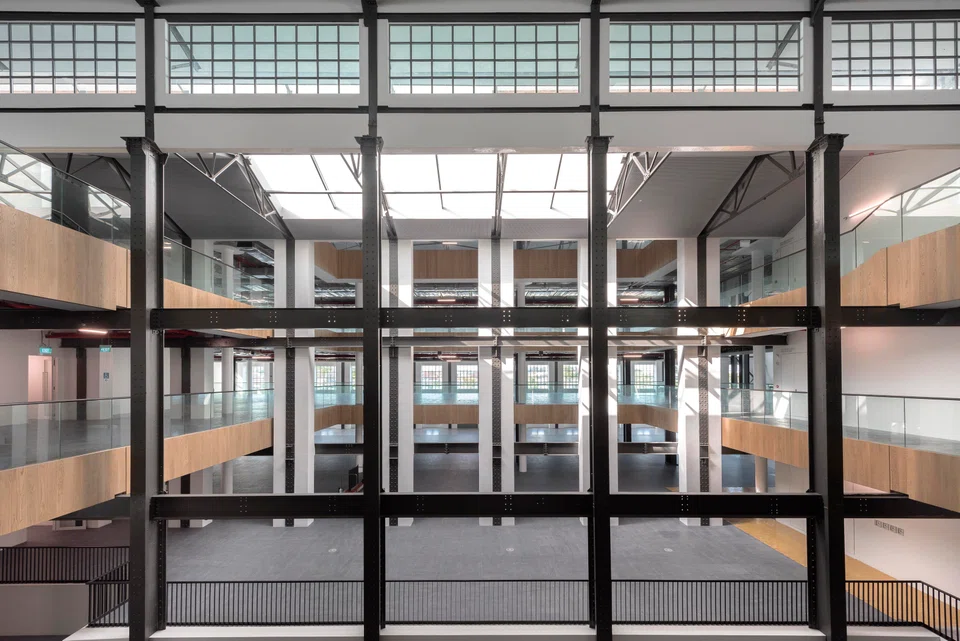
As part of the restoration, latter-day additions were taken down to reveal heritage elements such as the cornices, timber doors, steel columns and beams.
A new central atrium was also created to let more natural light into the building. The atrium serves as a meeting and communal space.
According to Ho, there were also a few surprise discoveries, such as uncovering two intact original interior walls that survived the previous refurbishment. Clad in pristine white porcelain tiles with maroon tile trimming, these rare elements were once commonly found in the electrical switch rooms within the old power station. These “heritage walls” were carefully dismantled and restored as interior design features in one of the meeting rooms used by Dyson.
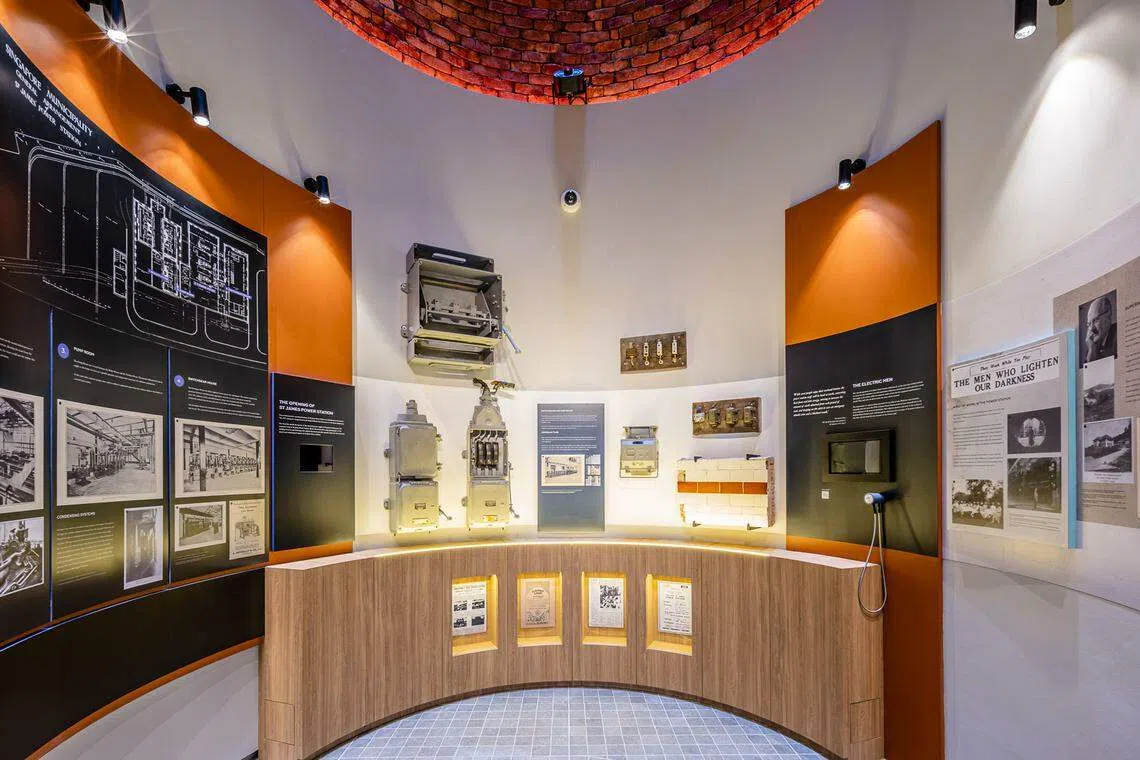
Studio Lapis also curated a heritage trail and a public gallery that showcases the monument’s heritage, including the interior of a 32 m tall chimney. Ho found the restoration process and transforming the building into a high-tech workplace to be “dramatic and inspiring, notwithstanding the many technical challenges along the way”.
Chew Zi Yan, architect at W Architects, says: “Achieving our architectural intent both internally and externally, coupled with the sensitive restoration of the historic elements like the fair-faced brick facade, steel structures and mild steel window glazing has resulted in a holistic refurbishment and restoration of the National Monument which we are proud of.”
For their efforts, the teams received a distinction award for conservation and innovation at this year’s Architectural Heritage Awards (AHA), organised by the Urban Redevelopment Authority.
The jury appreciated that the original grand architecture of the former power station been preserved, and its longevity and relevance have also been extended through sensitive and innovative interventions.
When the AHA was first introduced in 1995, the aim was to recognise quality standards in restoring Singapore’s built heritage. This year, the focus has been expanded beyond technical restoration to also recognise the intangible outcomes of creating long-term value for the community, as well as the upkeep and management of the building.
Besides St James Power Station, other AHA recipients for 2022 include The Fullerton Heritage, Raffles Hotel, Kwong Wai Shiu Hospital, 292 Joo Chiat Road and 5 & 7 Gallop Road.
The Fullerton Heritage, a past AHA winner, also received the newly introduced Legacy Award for maintaining its collection of seven properties in top condition for at least a decade post-award.
The URA will be conducting site visits to these six projects, as well as host other activities that promote more public awareness for URA’s conservation efforts, and to encourage greater participation from the public in shaping Singapore’s built heritage landscape.
For a list of activities and registration, see http://ahs-ura.eventbrite.sg
Decoding Asia newsletter: your guide to navigating Asia in a new global order. Sign up here to get Decoding Asia newsletter. Delivered to your inbox. Free.
Copyright SPH Media. All rights reserved.