


Coal still gold for Indonesia’s Mandiri; Ringgit trumps Singdollar

This week in Asean:
- Malaysia: Subang Airport’s billion-buck boost – boom or bust?
- Singapore: Former transport minister’s fall from grace
- Philippines: More taxes for foreign-based firms
Dear BT reader,
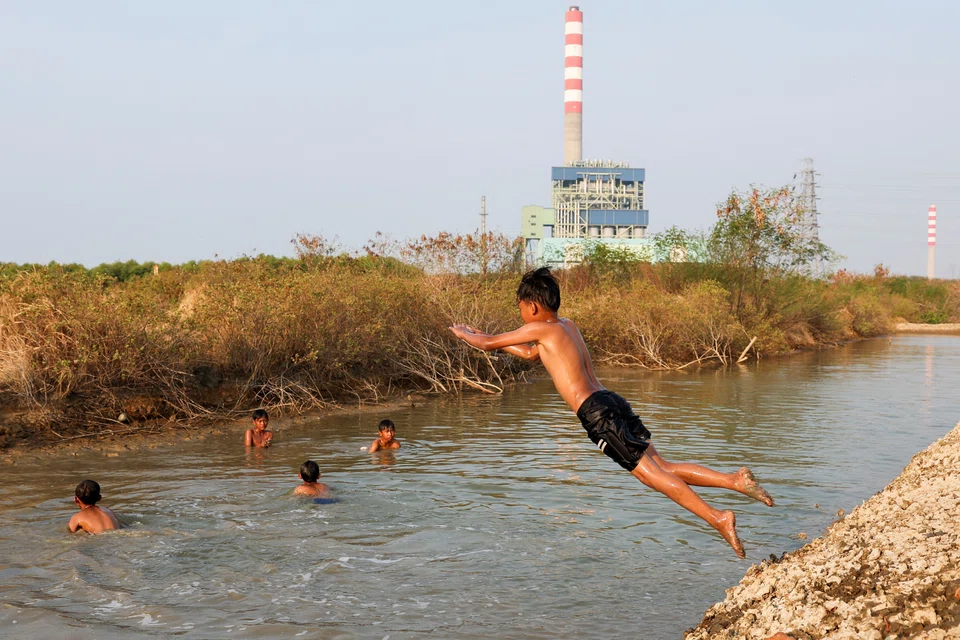
In a blow to the nation’s green ambitions, Indonesia’s largest state-owned lender has made a billion-dollar investment into a coal-fired power plant in South Sumatra.
The project, co-owned by a Chinese asset management and financing platform, received US$1.27 billion in investment credit financing from Bank Mandiri, reports our Indonesia correspondent Elisa Valenta. She speaks with a think tank on how local banks are lagging behind their peers in other countries in sustainable financing efforts.
Further down South, Malaysia and Singapore have a new point of contention. Malaysia’s long-delayed entry permit scheme for foreign-registered vehicles has faced rounds of technical issues, poor implementation, ambiguous application processes and a shortage of appointment slots for collection of the passes.
Tempers have flared for weeks now as motorists, mostly from Singapore, were left in limbo over whether they can enter Malaysia, will be fined, or issued a warning. Our Malaysia correspondent Tan Ai Leng speaks with drivers from Singapore and Malaysian businesses on the inconveniences they faced.
Also stirring the pot is the exchange rate between the neighbouring countries. The ringgit – crowned the worst-performing currency in emerging Asia last year – has made a comeback, especially against the Singapore dollar. Speculation is rife over whether the Malaysian currency will breach the 3.00 threshold, a record last achieved in February 2020, writes Ai Leng. Recall that the ringgit touched a historical low of 3.55 against the Singdollar in February this year. Ai Leng speaks with foreign exchange analysts and employees on the impact of a stronger ringgit.
I’m ending today’s newsletter with a bang. Elisa crafted this must-read piece that unpacks the controversies surrounding the family of outgoing Indonesia President Joko Widodo, who is due to bring down the curtain on a 10-year tenure. Whispers of a “political dynasty” – a flashpoint in Indonesia – have been getting louder, and Elisa breaks down these headline-making allegations.
Finally, the newest member of BT’s regional team Crystal Heng wrote her first story on the sanguine outlook of Asean equities for the final quarter of the year. Her coverage will focus on Asean-China flows and the major developments in the world’s second-largest economy that impact South-east Asia.
We’ve got a firm lineup of stories this week from other regional correspondents below – be sure to give them a scroll. Let me know what you’d like to see more of in our subsequent newsletters, too.
Trending
What I’m watching: The annual Asean Summit will be happening from next Wednesday (Oct 9) in the capital of Laos, and I’m headed down to Vientiane to report on the latest updates.
Why you should care: All eyes are on whether the cash-strapped and debt-trapped country can lead Asean in addressing the Myanmar crisis and steer the bloc towards peaceful negotiations on the South China Sea dispute, among other things. Some critics blast the 10-member alliance as a toothless talking shop, but its economic benefits cannot be understated.
Asean in brief
- Downgrades in growth forecasts for China, Vietnam cloud Asean+3 economic outlook for 2024 Weaker growth projections for several big regional economies led the Asean+3 Macroeconomic Research Office to cut its overall growth projection for this year for the 10 Asean member states, as well as China, Hong Kong, Japan and South Korea. Read more
- Vietnam can look to Singapore as inspiration to develop its financial centres, say experts As Vietnam is gearing up for the establishment of its financial centres, experts suggested that the country can cooperate with Singapore, known as Asia’s top financial hub, to develop a strong supply of talent to realise the ambition. Read more
- Indonesia’s September annual inflation at 1.84%, lower than expected Indonesia’s inflation has steadily declined in recent months, raising concerns about weakening consumer spending in South-east Asia’s largest economy. Read more
- Invest Malaysia moves to Johor for the first time, reflecting surging investor interest This significant relocation reflects the growing global investor interest in the southern state, particularly in light of the Johor-Singapore Special Economic Zone initiative. Read more
- Oracle to invest US$6.5 billion to set up cloud facilities in Malaysia Technology giants including Microsoft, Nvidia, Alphabet unit Google and China’s ByteDance have announced billions of US dollars worth of digital investments into Malaysia since last year. Read more
- Business China forum to enhance collaboration in a multipolar world At a media roundtable on Thursday ahead of the forum, Business China CEO noted that there is a clear trend of more Chinese companies and entrepreneurs entering Singapore and Asean. Read more
- Samsung’s Singapore staff not spared as it cuts thousands of jobs globally amid struggles in AI market Samsung shares have slid more than 20 per cent this year as the world’s largest maker of memory chips and smartphones struggles in key markets. Read more
- Gradual interest rate cuts appropriate for the Philippines, IMF says The BSP governor said it had scope to do a 50 basis point rate cut in one policy meeting, but such a big reduction would only happen if there were worries about a “hard landing”. Read more
- Thai exports seen up 2% this year but strong baht a challenge, shippers say The rapid appreciation of the baht was hitting exporters and tourism spending, said the central bank. Read more
TRENDING NOW

DBS, OCBC, UOB rout lops billions off STI as inflation, rate concerns spook investors

Grab CEO’s wife Chloe Tong on life with Anthony Tan and finding her purpose
OCBC sheds S$8 billion in value as shares close nearly 6% down; analysts cautious on banks

Deal between tycoon friends sparks scrutiny of Philippine power sector

