Backing Asia’s chip champions in a riskier world
They face a growing array of challenges – shifting trade policies, cybersecurity risks and natural disasters – that could threaten their future capacity and viability
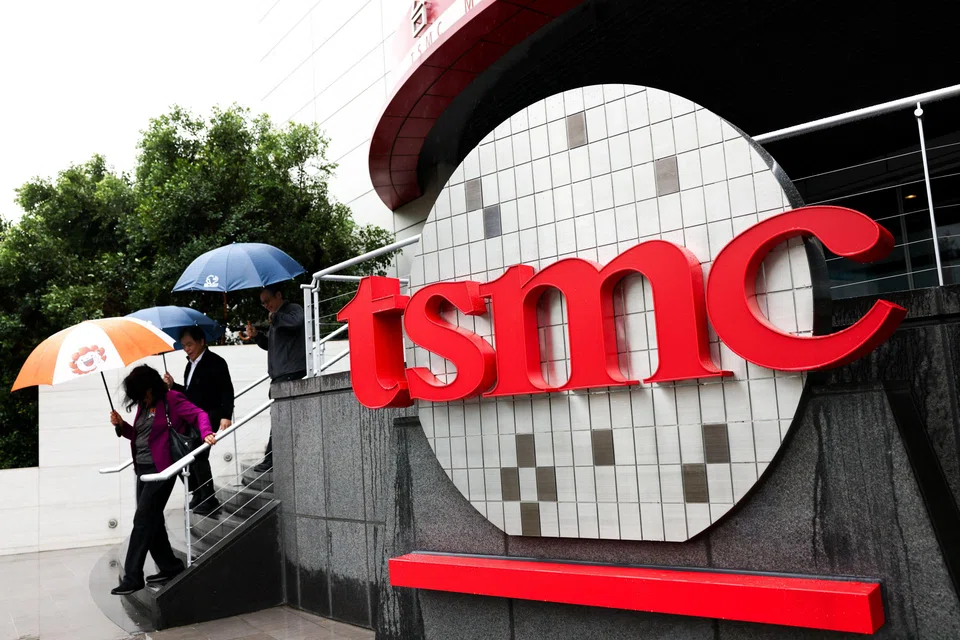
SEMICONDUCTORS are the hidden engine behind the global economy, powering everything from electric cars to artificial intelligence (AI). Asia, home to some of the world’s leading chipmakers, is at the forefront of this technological revolution. However, the region’s semiconductor industry faces a growing array of challenges that could threaten its future capacity and viability. We explore here the dynamic landscape of Asia’s chip industry, the risks it faces, and the strategies needed to ensure its resilience.
Driving innovation and growth
Asian economies are proud of their prominent positions in the technology supply chain. Taiwan, home to TSMC – the world’s largest chipmaker – is at the forefront of cutting-edge process technologies crucial for AI. With AI demand surging, its semiconductor industry is poised for explosive growth, with TSMC predicting AI-related revenue will increase 45 per cent annually over the next five years.
Mainland China, the world’s largest semiconductor market, is rapidly advancing its industry with huge government investments to serve growing domestic needs and reduce reliance on imported components. South Korea is the global market leader in memory chips and the second-largest semiconductor producer in the world overall. Japan, a pioneer in the sector, is also steadily rebuilding its semiconductor manufacturing capacity, with the government devoting at least US$65 billion to this purpose.
Closer to home, Malaysia is the world’s sixth-largest exporter of semiconductors, accounting for 13 per cent of global assembly. The country aims to attract US$115 billion worth of investments by 2030. Penang, known as the Silicon Valley of the East, is a major hub for semiconductor manufacturing. Meanwhile, Singapore recently announced a new US$375 million semiconductor R&D facility as it seeks to enhance its infrastructure for the industry. Elsewhere, India is offering comprehensive incentives to attract private sector investment in semiconductor manufacturing.
With demand accelerating, the race for innovation heating up, and a surge in investment across Asia-Pacific, the semiconductor industry will only gain momentum.
Small chips, big risks
For all its promises, Asia’s chipmakers face a growing array of challenges that could threaten their future capacity and viability. These include shifting trade policies, cybersecurity risks, and natural disasters, which our research shows are becoming more severe. The capital-intensive nature and high-value output of the sector mean any losses resulting from these risks will be keenly felt.
In Taiwan and Japan, where earthquakes and typhoons are common occurrences, structural damage to foundries is a critical risk, particularly as the ultra-precise processes involved in making advanced microchips require a sterile and stable environment. A reminder of this was the powerful 7.4-magnitude earthquake in April 2024, as well as the one witnessed earlier this year that forced TSMC to temporarily halt some facilities. As factory footprints expand and more specialised equipment come into use, the costs of any physical damage as well as business interruption impact from earthquakes or climate-related disasters may rise.
Beyond natural catastrophes, Covid-19 highlighted the industry’s vulnerability to supply chain disruption. Trade restrictions such as export controls and tariffs may impact the supply of critical components and machinery, potentially leading to longer downtimes and higher business interruption claims.
Any immediate losses the industry suffers will be magnified by their impact on multiple downstream supply chains globally. In 2021, a fire at Renesas in Japan and a snowstorm in Texas exacerbated the global chip shortage, leading to significant contingent business interruption (CBI) losses in Chinese car manufacturing plants. In the face of such events, ensuring Asia’s chip industry can withstand such shocks and remain operational is paramount, not just for chipmakers and their clients, but industries and economies across the world.
Strategies for a safer future
Given the long history of chip manufacturing in Asia, insurance providers have customised solutions to meet the industry’s changing realities. At the core of these are property and business interruption insurance, which provide a lifeline to companies that need capital to resume operations as quickly as possible.
Chipmakers can also leverage CBI coverage for supply chain disruptions, which helps manufacturers and buyers stay afloat when key suppliers fail to deliver.
As a result of a changing risk landscape, we can expect demand for capacity and expertise from chipmakers to rise. As an industry, we could focus on:
- Improving risk assessment and management: Insurers can leverage lessons from past events and proactively advise the semiconductor industry on risk management best practices for fire and natural catastrophes. These should include specific measures to enhance the resilience of both hardware and software.
- Reinforcing underwriting quality: Insurance companies establish underwriting guidelines according to their own risk appetite and business strategy. However, consistency and discipline are needed, and scenarios should be regularly tested to ensure that the accumulated premium pool will be sufficient to cover any large losses or events. Insurers should also be cautious about potential CBI loss accumulation from disruption in the upstream segment of the semiconductor industry, which could have knock-on effects with significant financial impacts.
- Utilising reinsurance for capital optimisation: Reinsurance offers insurance companies a cost-effective way to manage risk and maintain solvency, especially in complex sectors such as the semiconductor industry. Both treaty and facultative reinsurance can be tailored to meet the specific needs around semiconductor production, allowing insurers to manage their portfolios more effectively.
Armed with these insights, reinsurance can continue to act as a much-needed buffer against risk and support the semiconductor industry’s continued growth.
The writer is head, property underwriting Apac, at Swiss Re