

Businesses must pave the way to a sustainable urban future for all
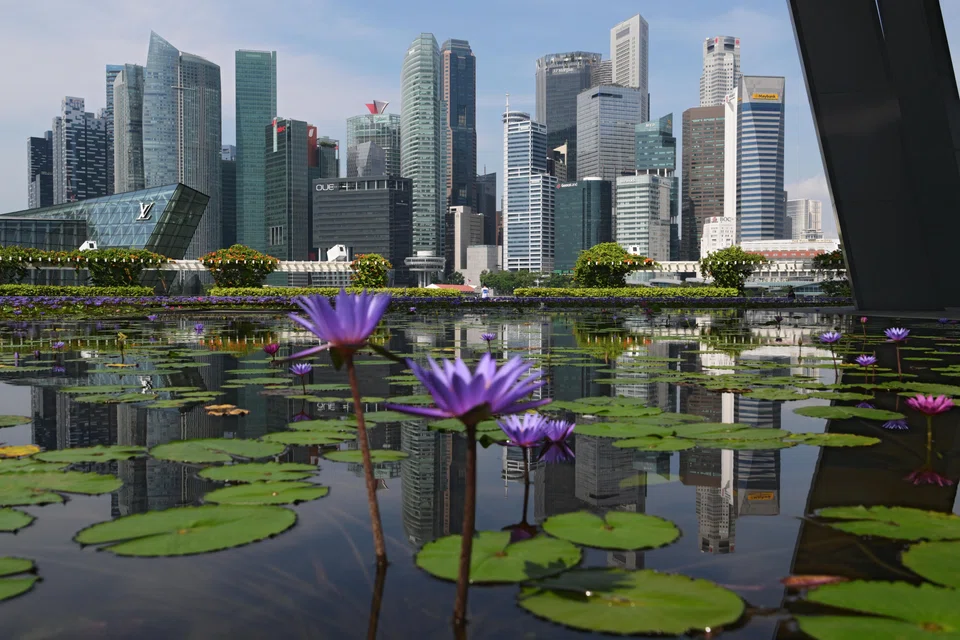
AS URBANISATION sweeps across the globe, cities are at the forefront of shaping our future. They serve as hubs of innovation, culture, and economic activity, offering opportunities for businesses and people to thrive. Yet, these urban centres also grapple with unprecedented challenges such as climate change, environmental risks, and growing inequality. The Asean region bears significant responsibility to mitigate these challenges, especially as almost 56 per cent of its population is projected to reside in cities by 2030, compared to 47 per cent in 2015.
In Singapore, urban climate threats including rising temperatures pose a significant risk to the environment and community. The city-state has warmed twice as quickly as the global average over the last seven decades largely due to rapid urbanisation.
However, within these challenges lie opportunities to accelerate sustainable development. As drivers of growth, pioneers of innovative solutions, and members of the communities in which they operate, businesses must step up and lead the transformation.
As we celebrate World Cities Day 2023 (Oct 31) with the theme of “Financing sustainable urban future for all”, it is imperative that we recognise the three pivotal ways in which businesses can contribute to sustainable urban transition: innovative financing, insightful knowledge and expertise, and wider social responsibility.
New ways of financing
One of the most significant contributions businesses can make to urban sustainability is through innovative financing.
The development and maintenance of critical urban infrastructure and services, such as water supply, energy, and waste management, demand substantial investments. Additionally, developing new technological innovations that can accelerate the sustainability of these systems might be unaffordable, or seen as an expense rather than an investment.
The World Bank estimates that more than US$4.5 trillion a year will be needed to fund climate-resilient urban infrastructure, yet climate finance flows for cities have only reached about US$384 billion annually. With their financial resources and expertise, businesses are ideally positioned to provide this capital, not just through traditional forms of financing but also via forward-looking business models, new funding strategies, and collaborative partnerships.
Public-private partnerships (PPPs) have been a successful model where public, private or even non-profit partners agree to share risks, resources and decisions in building and implementing certain projects.
In Singapore, PPPs have supported the development of a robust and diversified water sector, with seven PPP projects by the national water agency, Public Utilities Board (PUB), rolled out to date. While PUB relies on the expertise of private companies to design, execute, and maintain each project, the PPP projects also provide a platform for innovation and offer business and growth opportunities for the private sector.
Another approach that encourages the adoption of new technology is exploring new business models. Under these models, solutions providers can play a role in reducing the investment risks associated with sustainable projects. They may also offer flexibility by accepting payments in instalments or incorporating efficiency savings achieved by customers into the payment scheme. For instance, Grundfos introduced Grundfos Energy Earnings (GEE), a payment service based on the as-a-service business model. GEE offers a zero financial investment solution where businesses can benefit from energy savings without the need for an initial investment. Grundfos then shares the realised savings with the business to finance the installed solution.
Moreover, strategic partnerships can open doors for businesses facing budget constraints. To help private commercial and public customers with limited funds realise their ambitions to improve water efficiency and access, Grundfos and EKF Denmark’s Export Credit Agency signed a unique financing partnership in 2022. The agreement enables Grundfos to support customers in purchasing new pump and water solutions designed to reduce CO2 emissions and provide access to clean water to vulnerable areas.
Knowledge-sharing to drive urban innovation
Beyond financing, businesses – as drivers of innovation – bring valuable knowledge and expertise across various industries to the table. Whether it’s adopting sustainable building practices, optimising waste management, or enhancing public transportation systems, businesses can provide critical insights and solutions for urban sustainability.
By sharing their best practices and collaborating with governments, research institutions, fellow industry players, and communities, businesses can drive innovative solutions to tackle urban challenges. Industry leaders can also work alongside other organisations and businesses to further industries’ green transition by sharing the necessary resources and opportunities to co-develop innovative sustainable solutions.
Such partnerships can also help businesses better understand the complexity of the green transition. Recognising the advantages of this approach, Grundfos has formed partnerships with Singapore Polytechnic and Ngee Ann Polytechnic. The latter specifically targets the advancement of sustainability in the regional built environment, addressing urbanisation challenges.
Building stronger communities
Finally, businesses possess the potential to be forces for good. By aligning their operations with the well-being of the cities they operate in, businesses contribute not only to economic growth but also to the social fabric and overall resilience of cities.
Some tech giants, for example, have committed to fully using renewable electricity to power their operations, in recognition of their huge role in tackling the climate challenge. Their efforts have not only influenced their peers but also led to positive changes in energy policies and increased the adoption of renewable energy sources.
Businesses can also have an outsized impact on uplifting the livelihoods of community members, including marginalised groups such as women, through both internal and external practices. For instance, inclusive workplace cultures and fair and diverse hiring practices can support a local community and its members. Meanwhile, integrating sustainability and social impact considerations into wider supply chain and sourcing decisions, such as supporting local suppliers or those owned by diverse individuals or groups, further extend the positive impact of businesses on communities.
Businesses are indispensable catalysts for sustainable urban transformation. Through innovative and accessible financing, knowledge sharing, and broader social responsibility, they have the power to shape the future of our cities. However, the work is far from over. Scaling this multi-pronged approach is crucial to ensure that our cities thrive and lead the way towards a more inclusive and sustainable urban future for all.
The writer is CEO, Commercial Building Services, at Grundfos
TRENDING NOW

Could stablecoins be the future of money?

Once staunchly pro-China, Malaysian Chinese businesses are now distancing themselves from Beijing
Vietnam’s data-centre investment rush faces reality check on power and site constraints

‘My grandfather’s legacy’: Sherman Kwek lays out three-year plan for CDL to drive returns

