

Cheaper, greener power is on the way
As long as anti-net-zero populists don’t throttle it in the cradle
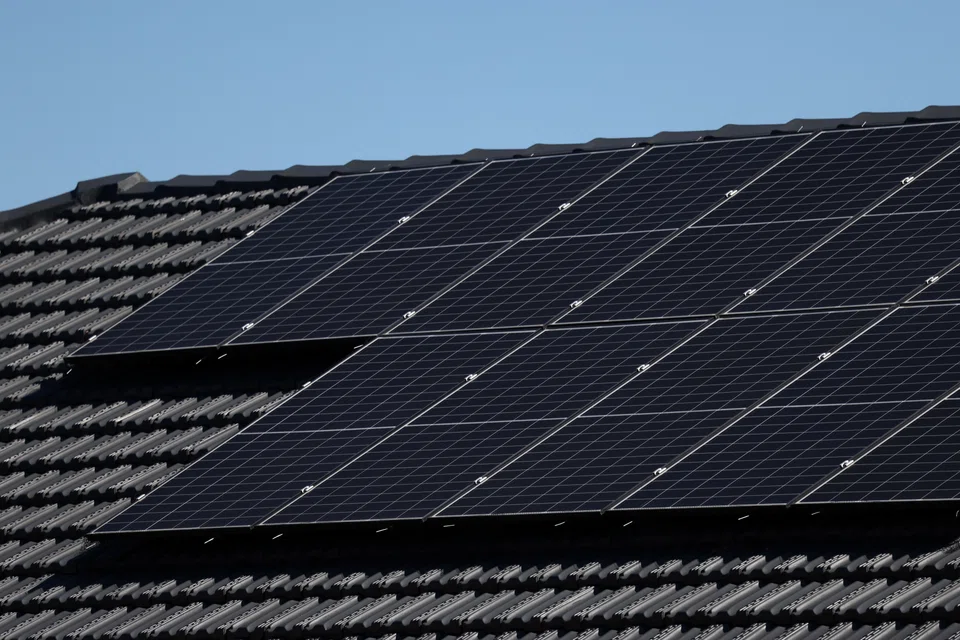
NOT that long ago, Mark Purcell, a retired rear admiral in the Australian navy, was paying about A$250 (S$214) a month for electricity in his roomy family home on the Queensland coast.
Today, he says he makes as much as A$300 a month from the electricity he makes, stores and sells with his solar panels and batteries. “This is the future,” he told me. “This is what the energy transition could look like for a lot of folks.”
Purcell is one of the 58,000-plus customers of Amber Electric, an eight-year-old Melbourne business that gives householders access to real-time wholesale power prices, so they can use power when it is cheap and sell what is stored in their batteries when it is expensive.
The company is adding 5,000 customers a month, putting it among a new generation of fast-growing energy tech startups aiming to make electricity cheaper and greener, and not just in Australia.
Amber Electric’s dynamic pricing technology is due to launch soon in the UK, where the company has done licensing deals with the energy suppliers Ecotricity and E.On.
Norway’s Tibber offers similar services to the one million customers it has gained since launching in 2016 and expanding to Germany, Sweden and the Netherlands.
In Germany, the market share of companies including Tibber, Octopus Energy and Rabot Charge has grown from 0.1 per cent in 2023 to 2.4 per cent in 2025, said the Kreutzer Consulting group. Between them, they have more than one million customers, 77 per cent of whom are particularly or very happy with their provider, far more than the industry-wide figure of 57 per cent.
Remember those figures the next time you hear a right-wing populist condemn allegedly unaffordable net-zero policies. In fact, this new class of energy tech entrepreneurs is showing how electricity can become more affordable precisely because of the renewables, batteries and electric cars that net-zero efforts drive.
It is no accident Amber Electric began in Australia, long a world leader in rooftop solar systems that sit atop more than four million of its homes and small businesses. Its population of 28 million is now undergoing a home battery boom, following the July launch of a A$2.3 billion government subsidy scheme.
Industry estimates show rooftop solar can save households up to A$1,500 a year on energy bills, a figure that nearly doubles if you add a battery, and rises further with dynamic pricing.
There are wider benefits. Rooftop solar capacity supplied 13 per cent of Australia’s electricity in the first half of this year. Add in surging numbers of home batteries, and electric cars that can export power to the grid, and you can see how home-grown green electricity can ease the strain on grids, and perhaps help to stave off the need to build extra power plants and pylons.
Is there a catch? Right now, the upfront costs of green tech can be considerable. Queensland’s Purcell is a super user who has spent tens of thousands of dollars on solar panels, batteries and a home energy management system that makes everything from his pool heater to his air-conditioners price-responsive. His family also has two Teslas with even bigger batteries.
This is clearly unaffordable for many, but maybe not for long. Big home hardware retailers have begun to launch financing plans that let people pay monthly fees of less than A$150 for solar and battery packages rather than a big initial outlay.
There are other complications. Mushrooming renewables have led to a rising incidence of the negative power prices that occur when grids are flooded with cheap renewable power that cannot be easily stored. This is happening from Germany to Queensland and it delights the likes of Purcell, who in effect gets paid to use power. But it is a concern for renewables investors who need reliable returns.
Also, wholesale power prices can go up as well as down, as customers of some older dynamic pricing companies discovered when they were left with sky-high bills. To avoid that risk, Amber Electric uses a hedging strategy to provide a maximum price guarantee for its customers.
Other hiccups will doubtless emerge. Incumbent power suppliers may slow the roll-out of the smart meters needed by their younger rivals. Some power markets are less suited to dynamic pricing.
But the fundamental point is this: Why would any politician want to throttle the nascent tech that could make electricity more affordable and abundant for millions of people, just because it is also green? FINANCIAL TIMES
TRENDING NOW
Companies still in search of AI use cases with worthwhile ROI, says Broadcom’s CEO

Beauty World Plaza up for collective sale for S$165 million

Trouble in paradise: Bali runs low on fuel, sparking long lines at pumps

Philippine power giant First Gen rebuffs foreign offers, plans up to US$2.6 billion in expansion

