Fund manager 65 Equity Partners’ role in TalkMed privatisation offer is at odds with its core
With one of its funds’ mandate to support companies eyeing an SGX listing, encouraging the medical group’s delisting through the other is a bad look

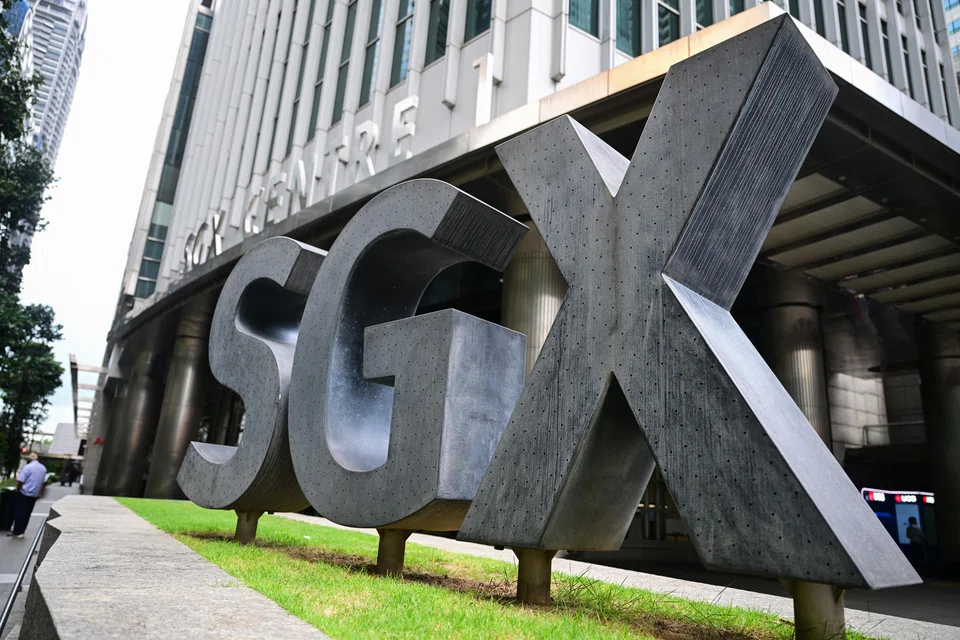
TALKMED Group late last year received a privatisation proposal from oncology-focused group Tamarind Health. But there was a curious player tagging along in the deal – Singapore-based global investment firm 65 Equity Partners.
As part of the privatisation deal, the Temasek-backed investment company will subscribe for shares in Tamarind Health through its local enterprise fund, gaining 18.3 per cent of the voting interest in Tamarind Health.
The participation of 65 Equity Partners in this deal is baffling.
On the face of it, it appears that TalkMed’s privatisation and combination with Tamarind Health will spur growth for the medical group. It said that the bigger entity will be “better positioned to attract patients from the region seeking high-quality and competitive treatment”.
However, 65 Equity Partners has a mandate through its second fund, Anchor Fund @ 65 – supporting high-quality businesses that are seeking a listing on the Singapore Exchange (SGX), according to its chief executive officer Tan Chong Lee.
Being involved in TalkMed’s privatisation, albeit through a different fund, appears to be at odds with this.
Strange moves
This is not the first time that 65 Equity Partners has left market watchers scratching their heads.
The investment firm in July 2024 pumped S$100 million, from the same local enterprise fund that it is using for TalkMed’s privatisation, into precision manufacturer Hi-P International.
This came less than four years after Hi-P was taken private by its founder Yao Hsiao Tung, in a deal valuing the company at S$1.6 billion.
Similarly, 65 Equity Partners in October 2022 invested S$150 million from its Anchor Fund @ 65 in exhibition provider Cityneon.
However, Cityneon had delisted in February 2019, when its then chairman Ron Tan and a Hong Kong investor made a privatisation offer of S$1.30 per share.
This column, too, previously questioned whether these companies were getting a second bite of the cherry through 65 Equity Partners’ investments.
This new investment also comes against the backdrop of Singapore’s amped-up efforts to revive the ailing local equities market.
In 2024, delistings from SGX outpaced new entrants to the bourse, with 20 companies going private compared with four initial public offerings – continuing the downward spiral of recent years.
The Monetary Authority of Singapore has established a review group to look into ways to enliven the local bourse. The review group involves parties from the private and public sectors – including Temasek, which backs 65 Equity Partners.
It is thus difficult to understand the logic behind 65 Equity Partners joining in with privatising TalkMed, as it seems to be completely at odds with what the review group is trying to achieve.
Calling the mandate into question
Perhaps, 65 Equity Partners’ involvement could help pave the way for TalkMed to eventually return to the Singapore bourse, if it ever decides to take another chance on the public markets.
Indeed, observers have said that the investments in Hi-P and Cityneon are moves to chart their paths back to SGX.
And, perhaps, TalkMed’s delisting is necessary – for monetary reasons or because it requires an injection of funds – to help Singapore become the regional champion it aspires to be.
But for a fund manager with at least one mandate to encourage companies to list here, the deal does not offer good optics for investors who are already cautious about Singapore equities.