OKP poised to benefit from Singapore construction boom, backed by S$136.7 million in cash
With its order book value standing at S$615.9 million, the group expects to remain profitable until end-2027

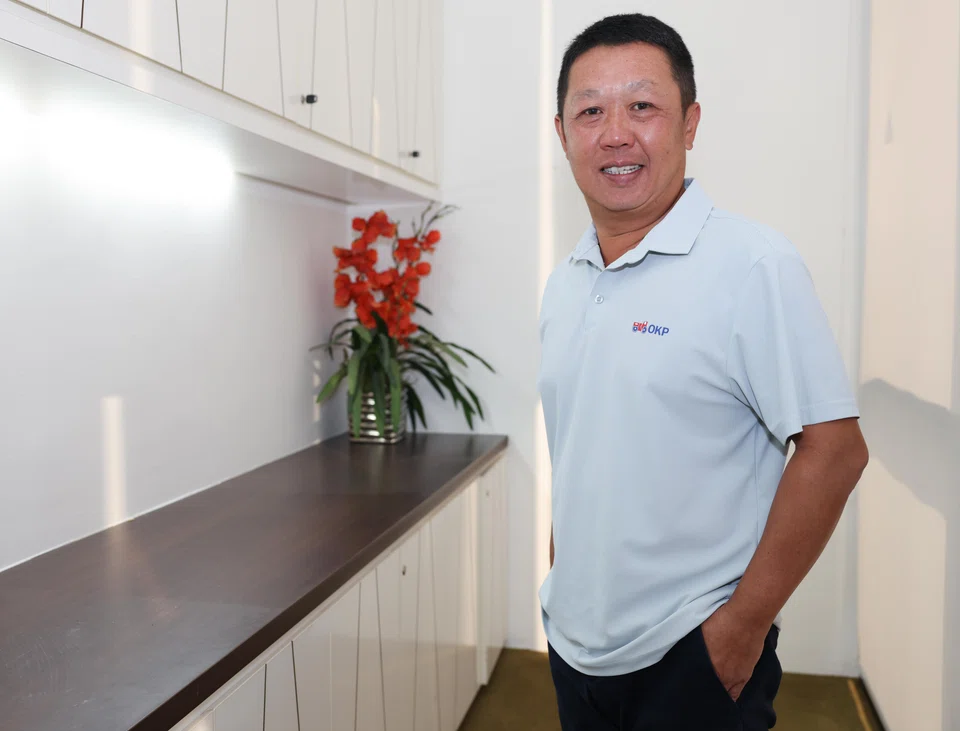
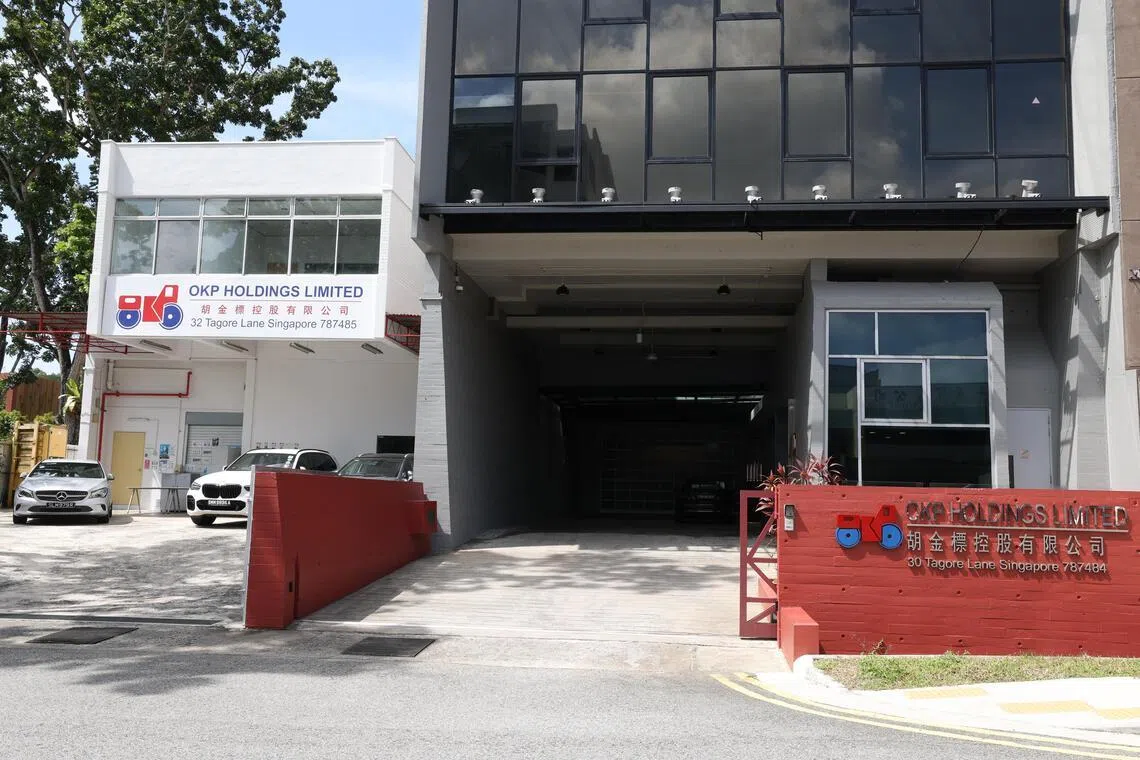
[SINGAPORE] Founded as a sole proprietorship 60 years ago, OKP is positioning itself to capitalise on what its executive director Daniel Or described as an unprecedented boom in Singapore’s construction sector.
He noted that until just recently, OKP never saw construction contracts with such high values being awarded in Singapore – an estimated S$50.5 billion in contracts were allotted in 2025.
And in 2026, construction contracts worth S$47 billion to S$53 billion across the public and private sectors are slated to be awarded.
Against this favourable industry backdrop and backed by the visibility provided by its order book, OKP expects to remain profitable this year and next, Or said.
As at November 2025, the group’s order book stood at S$615.9 million. This includes a Land Transport Authority cycling path network project worth S$258.3 million that was awarded last May.
OKP’s core construction business recorded a gross profit margin of 39 per cent for the first half, ended June, of the 2025 financial year. The group will announce its full-year results on Feb 24.

Riding the construction boom
The mainboard-listed infrastructure and civil engineering group has about S$136.7 million in cash, and is a net cash company.
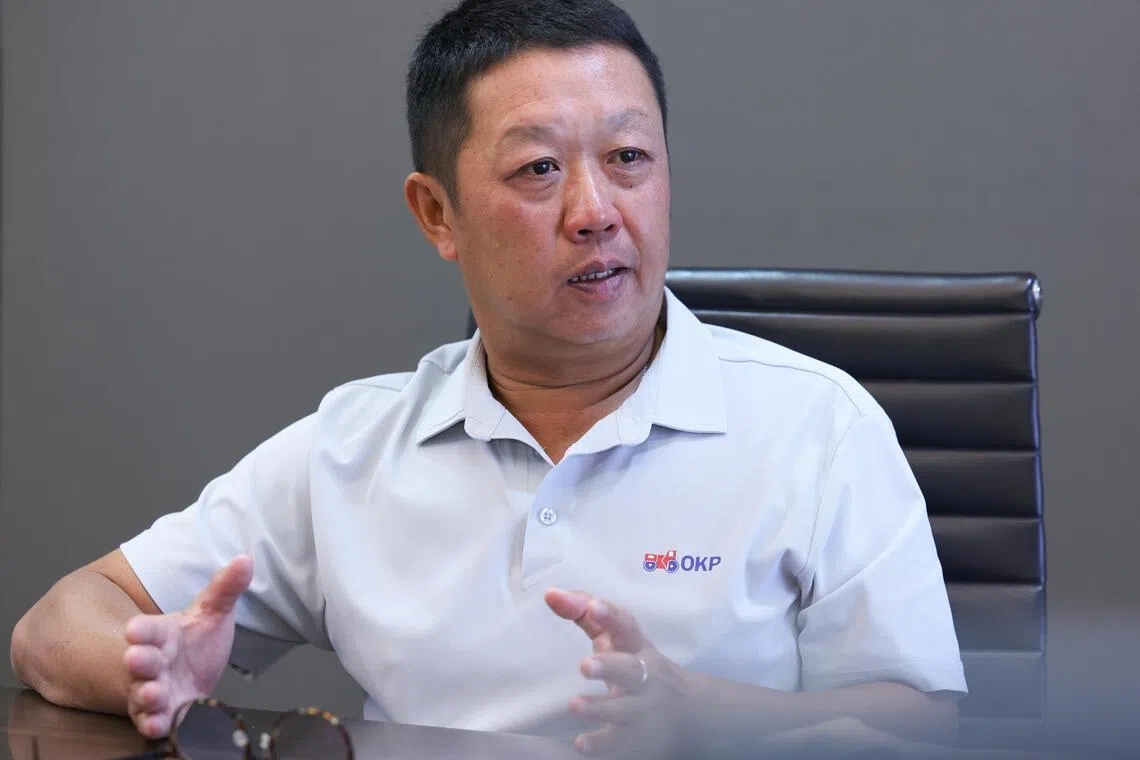
“We want to have a war chest that allows us to do things that we want to do in the event opportunity arises,” said Or. He added that OKP has submitted several bids that are pending results, and plans to tender for additional projects.
Operationally, the group is building up its capabilities – specifically, strengthening its project delivery, which includes safety, risk and cost management.
Or noted that several contractors went under during the Covid-19 pandemic not just because of material price increases, but also because of “a huge delay in project delivery”.
“And when it comes to such delays, contractors (have) to bear the price, so project delivery is actually very important,” he said, adding that delivering projects on time also helps to build a reputation as a reliable contractor.
The group differentiates itself from other industry players through its ability to carry out most works using its own workforce – it does not undertake foundation works – and its ownership of machinery and equipment, Or said. OKP employs about 800 general workers, giving it tighter control over quality and efficiency.
Even as the company seeks out opportunities – for instance, it has dabbled in property-related ventures – it remains focused on its construction and maintenance businesses.
While opportunities are “good right now, I believe there are also a lot of challenges”, said Or. “So one cannot be too complacent and say that (since) the market is doing very well, we should do this, we should do that.”
For now, venturing abroad is off the table. The executive director said earlier attempts did not proceed, as OKP was wary of political and foreign exchange risks, as well as the loss of control that comes with subcontracting work overseas.
Citing the group’s “enjoyable” margins, he added: “To entice me to go (abroad), the margins would probably have to double, right? And (even if margins double), there’s no free lunch in this world.”
Financial flexibility
Liquidity allows the group to stay nimble not only when opportunities arise, but also during downturns and crises.
“The reason this company is able to survive... so many crises is because of a prudent approach,” said Or.
“The war chest that we have built over the decades allows us to stay very flexible when a crisis hits us, whether it is Covid, the Asian financial crisis, (the severe acute respiratory syndrome outbreak) or... the unfortunate incident that happened at PIE. Because of this, we are able to tide through.”
The incident he was referring to was a 2017 accident at a Pan-Island Expressway exit, in which a structure collapsed and killed a worker at the construction site of an OKP subsidiary.
Considering the value it places on its financial flexibility, the group is reluctant to commit to a dividend policy – even though its shareholders have been urging it to implement a fixed dividend payout ratio.
For FY2024, OKP distributed a dividend per share of S$0.025, comprising a final dividend of S$0.01 and a special dividend of S$0.015. It does not have an interim dividend.
As part of “responsible management of a (listed company), you have to make things sustainable”, Or said. “I find it’s really pointless that I give a very good payout this year, and then next year... there’s a sudden drop. I want things to be sustainable.”
Since the construction sector is cyclical, the group also needs to ensure there is adequate liquidity to sustain it through downturns, he added.
In the medium term, OKP needs cash to replace a factory whose lease is expiring; it currently houses a workshop and 150 workers.
For FY2025, “we remain committed to shareholders in delivering sustainable returns by at least maintaining the same quantum of total dividends declared in... FY2024”, Or said.
“In respect of (this), the management is also considering a higher dividend payout, in terms of quantum, subject to the financial performance of FY2025.”
As shareholders who were with OKP through the 2017 crisis might have realised, there is little risk that the group will be taken private, Or said, noting that while the company does not need to tap the capital markets at present, it prefers to stay listed.
“There are always people knocking on our doors (asking us) about privatisation. The bankers come and say: ‘Hey, I can finance your privatisation (for a low price)’... We are not interested. We listed in 2002; shareholders have been with us for so long.”
He added: “To (go) private at such a price wouldn’t be fair. We also don’t want to be seen as doing that. Remaining listed is not a bad thing.”