

Truss team takes gamble with emergency budget
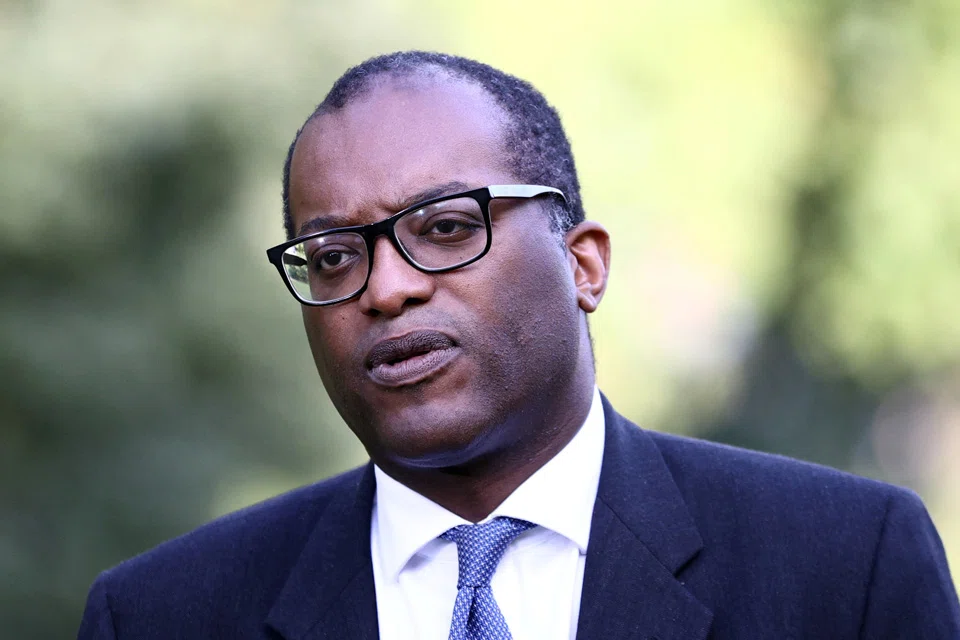
NEW UK Chancellor Kwasi Kwarteng delivers on Friday the first major fiscal event of the new government with the Truss team in a risk-taking mood.
In his emergency budget, Kwarteng will start delivering on Prime Minister Liz Truss’s pledge to bring an end to what she calls a failed UK consensus that has “peddled a particular type of economic policy for 20 years that hasn’t delivered”. One early signal of intent here was the government’s sacking in recent days of Treasury Permanent Secretary Tom Scholar who was seen as a purveyor of this orthodoxy.
With UK GDP virtually stalling in July, and inflation nudging double digits, Truss and Kwarteng have put revitalising growth at the heart of their economic agenda and pledged to “start cutting taxes from day one”. While the scope of Kwarteng’s announcements on Friday are unclear, Truss has previously pledged to reverse April’s rise in national insurance, and abolish next year’s planned corporation tax hike from 19 per cent to 25 per cent. Kwarteng will also detail more of the plans for a £150 billion cap on energy prices. Overall, more than 20 different measures are reported to be announced in the fiscal event. This includes potentially a controversial plan to abolish the cap on banker bonuses, and taking an axe to so-called “nanny state” measures such as the UK’s sugar tax.
Bold as Kwarteng’s plans may be, however, there remain big question marks. For starters, it is not clear how the government will pay for the £30 billion in tax cuts Truss has promised. She insists they can be paid for within the current fiscal rules which require that debt should fall as a proportion of national income in 2024-25. However, this seems a stretch assumption based, in part, upon the UK economy proving to be more resilient than expected, potentially helped by the knock-on effects of the upcoming coronation of King Charles III. However, it is plausible that Kwarteng may simply “move the goalposts” in November’s annual Budget later this year by extending the debt target into the next Parliament.
Contrary to expectations of many economists too is Truss’s claim that the tax cuts can help curb inflation, and that “what is not affordable is putting up taxes, choking off growth, and ending up in a much worse position“. This is hotly disputed, and indeed former Chancellor Rishi Sunak has called her plan “comforting fairy tales”.
Meanwhile, there remain other critical issues for the UK such as boosting economic productivity, a massive long-term challenge, and it is far from clear Kwarteng will address this on Friday. Industry bodies have warned that he has not focused enough on the importance of this agenda as the most sustainable way to deliver higher standards of living, tackle the fiscal challenges of an aging population, decarbonise, lower the tax burden, and drive growth. The Truss team has also been less than clear about its intentions for public spending. This includes the future of the co-called ‘levelling up’ agenda.
So Kwarteng’s budget represents a significant gamble as the nation faces the most difficult economic landscape in years. As he rolls the political dice on Friday, it remains highly uncertain whether he will deliver either significantly higher growth, nor transform the prospects of the ruling Conservatives winning a fifth straight term of office at the next election which is his ultimate objective.
TRENDING NOW

Looking beyond looming CEO succession, should UOB potentially pursue a transformative merger?

Once staunchly pro-China, Malaysian Chinese businesses are now distancing themselves from Beijing

Family offices ‘kept captive’ by relationship managers turn to independent advisers, direct deals
MAS holds monetary policy settings, pausing after two straight tightenings

