Far from thawing, the US-China economic war could see a new front opening up
The US is concerned about competition in cars and renewables
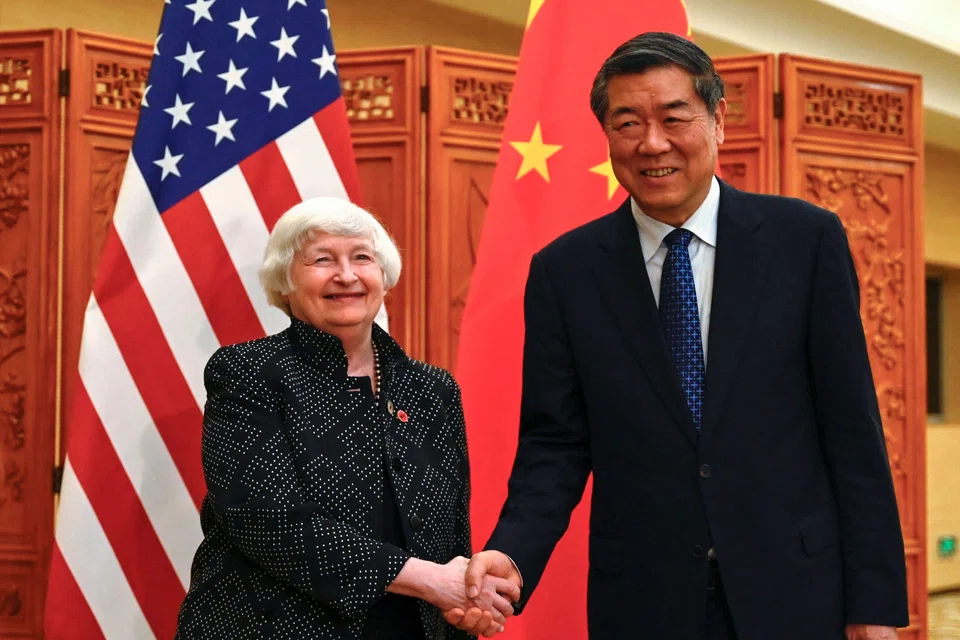
FOLLOWING two recent trips to China by US Treasury Secretary Janet Yellen, pundits have been speculating about a gradual thaw in the tensions over trade and investment between Beijing and Washington.
After all, the top US economic official did get red-carpet treatment in Beijing, and she reciprocated by suggesting the need to repair the relationship between the two economic superpowers.
“There is a personal element in this,” Yellen said, referring to her meetings with Chinese officials. “It involves respect and listening to the other side,” she added, stressing her approach of “disagreeing in an agreeable way”.
Such comments are in line with US President Joe Biden’s talk of “managed competition” between the two countries – especially during a US presidential election year when anti-China rhetoric is expected to rise to the stratosphere.
However, economic realities could end up turning all of this into nothing more than a brief thaw in the relationship.
Specifically, US concerns – shared by its European Union allies – are that its car and renewable energy sectors could be hit by competition from their heavily subsidised Chinese rivals.
Indeed, the issue of Chinese industrial overcapacity, resulting in so-called export dumping, was raised by Yellen during her meetings with her Chinese counterpart He Lifeng – without a sign of any possible deal on the horizon.
During the visit, Yellen warned that China has become too large for the rest of the world to absorb its ballooning industrial output, particularly as such production is supported by subsidies and state-directed loans.
The result, as she put it, is that “the viability of American and other foreign firms is put into question”.
Indeed, Biden announced last week that – in a move against cheap Chinese imports that are supposedly swamping US markets – he would treble tariffs on steel and aluminium from China. Imports from China account for just about 0.6 per cent of total US steel demand.
This is nothing major in pure economic terms, although it sounds impressive during an election year.
Biden made the announcement at a rally in Pittsburgh, Pennsylvania, a key electoral state where the labour unions and major manufacturers have called on the administration to restrict Chinese imports.
The White House said that it is also launching anti-dumping investigations centred on China’s shipbuilding and logistics industries.
Exports of Chinese steel have risen 33 per cent in the past year. China exported 95 million tonnes of steel, a sum that exceeds total US steel consumption in 2023.
Moreover, Biden’s major industrial initiatives aimed at strengthening the nation’s high-tech manufacturing sectors are in danger of being overwhelmed by low-cost Chinese versions of the same technologies.
While it is true that the United States is also subsidising its own electric vehicle and electrical power sectors, China still threatens US manufacturing jobs as it floods global markets with cheap renewable technologies, including batteries, solar panels and wind turbines.
The Biden administration should try to minimise the risks of new economic battles between China and the US, which could evolve into a costly confrontation. Yet unfortunately, it might be close to impossible to find cool heads in Washington who are in favour of “disagreeing in an agreeable way” during these turbulent political times.