

No smartphone? A mobile money agent can assist you in Kigali, Rwanda
Bernadette Toh
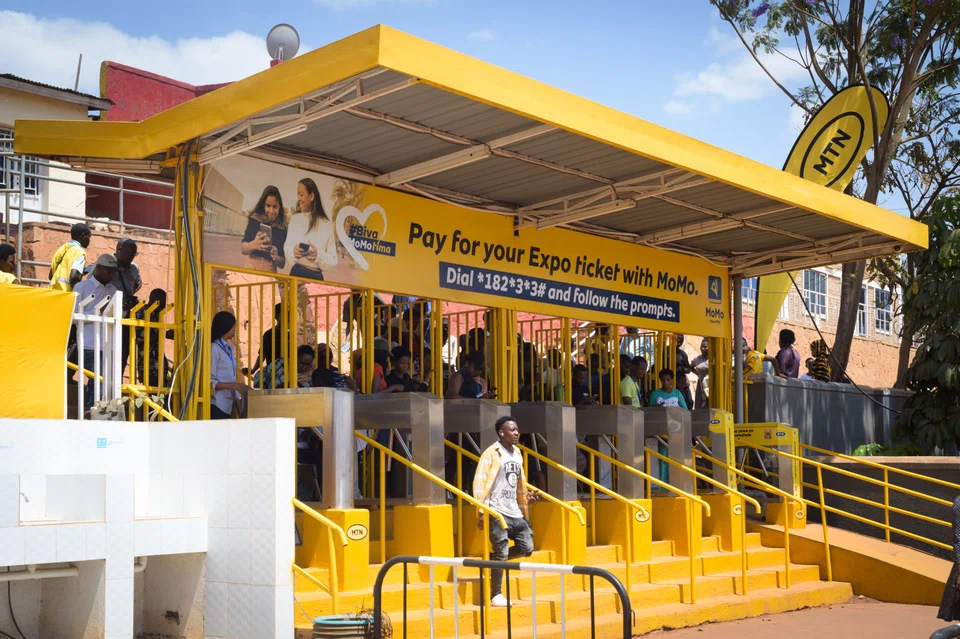
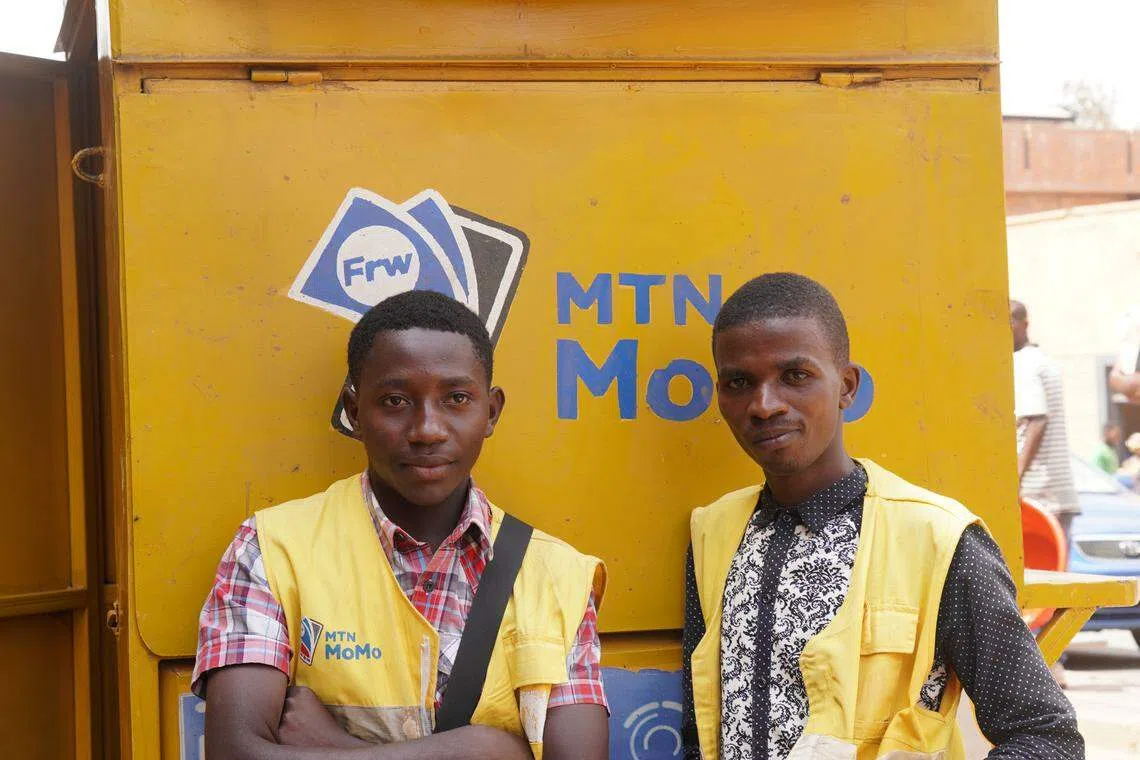
BRIGHT yellow booths line the streets of Kigali, manned by people sporting vests of the same colour. Instead of peddling products, their job is to assist with money.
These individuals are known as mobile money agents, and they help Rwandans top up their mobile wallets – even those who don’t have a smartphone and barely have a 2G connection.
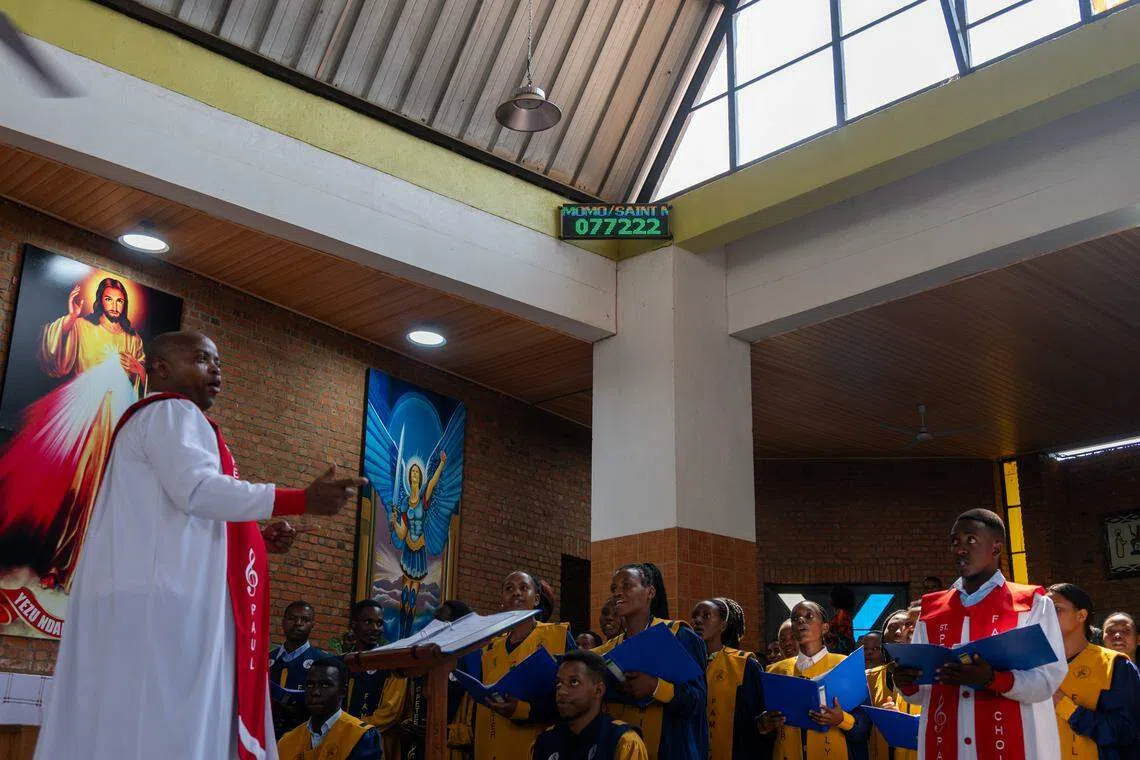
Hired by the country’s largest telecommunications company MTN, mobile money agents can be found in every corner of the capital. From pharmacies to ride-hailing services, mobile money is used everywhere. Even at church, Rwandans can make offerings with a mobile money account number.
The technology is accessible to all because neither bank accounts nor smartphones are needed.
The Covid-19 pandemic spurred its adoption – pushing mobile money penetration from 39 per cent in 2016 to 60 per cent in 2020, based on research institute Access to Finance Rwanda (AFR).
“Before Covid-19, Rwandans liked to hold cash,” said Erick Nkurunziza, a ride-hailing platform driver.
“Now, people use mobile money to stay safe because cash may pass viruses,” he added.
The country’s large potential market has attracted international players, including Alipay, but locally developed options remain the most popular.
This is because Rwanda’s Internet and smartphone penetration rates remain low.


Internet penetration in Rwanda was 60.6 per cent in 2022, according to the Rwanda Utilities Regulatory Agency. Only 23.5 per cent of the population owned a smartphone as at March 2023, but 80.7 per cent owned some kind of mobile device.
“Even people in the village, who cannot connect to the Internet because the network (coverage) is weaker in those areas, can send money to someone without the Internet,” said Pascal Rugero, a restaurant supervisor.
Unlike Singapore’s PayNow, which requires an active Internet connection, mobile money in Rwanda uses unstructured supplementary service data. This is similar in nature to SMS.
Users dial a specific code to access an interactive menu of options. These options include transferring money, paying bills and checking their account balances.
The mobile money platform is operated by telcos in Rwanda, such as MTN and Bharti Airtel. All users need is a mobile subscription.
The system has its share of drawbacks.
The introduction of a 0.5 per cent fee in 2021 has made some Rwandans think twice about using mobile payments.
While larger shops readily offer mobile money as a payment method, stall owners at Nyabugogo market typically ask for cash.
There is also a fee of 1 per cent to withdraw money from a mobile money account.
A number of businesses stopped accepting mobile payments after the fee was imposed, while others have transferred the cost to customers.
Market stall vendor Mutoni Odette, 33, said mobile money is “only for big shops”.
She added: “I would change to mobile money if there were no charge, but now they take a lot of our money.”
For those without a bank account, topping up their mobile money accounts is an inconvenient process involving long queues – sometimes for nearly four hours – at service centres or designated yellow booths.
Outside of Kigali, these booths are few and far between. For those living in rural areas, mobile money use can be a hassle.
The number of mobile money users is dramatically lower in rural areas, a quadrennial survey in 2020 by AFR found. Only 53 per cent to 65 per cent of those in rural areas use mobile money, versus 96 per cent in Kigali.
Nevertheless, the number of Rwandans switching to mobile payments continues to grow.
“I don’t need a cheque book, I don’t need a card, I don’t need cash,” said restaurant supervisor Rugero. “I just need the mobile money account’s number.”
The same is true for ride-hailing platform driver Nkurunziza. To him, the charge is a small cost in exchange for the speediness of the transaction.
“Time is money. With mobile money, I don’t need to wait for small change,” he said. “It’s quick, reliable and safe.”
Used to the conveniences of going cashless, he added: “Life without mobile money would be difficult.”
The writer is a final-year communications student at the Nanyang Technological University’s Wee Kim Wee School of Communication and Information. This report is the second in a two-part series on digital money in Rwanda, produced as part of the school’s Go-Far overseas reporting programme.
Decoding Asia newsletter: your guide to navigating Asia in a new global order. Sign up here to get Decoding Asia newsletter. Delivered to your inbox. Free.
Copyright SPH Media. All rights reserved.
TRENDING NOW

Could stablecoins be the future of money?
Once staunchly pro-China, Malaysian Chinese businesses are now distancing themselves from Beijing

Vietnam’s data-centre investment rush faces reality check on power and site constraints

‘My grandfather’s legacy’: Sherman Kwek lays out three-year plan for CDL to drive returns

