A GLP-1 tsunami is headed for the vice industry. Good.
A new wave of cheap weight-loss drugs heralds an existential crisis for the sin economy

THERE is a new breed on the rise among us – they look just like your childhood friends and long-time colleagues, but they are no longer the people you used to know.
They are turning up to brunch in athleisure wear, picking at their food and refusing dessert.
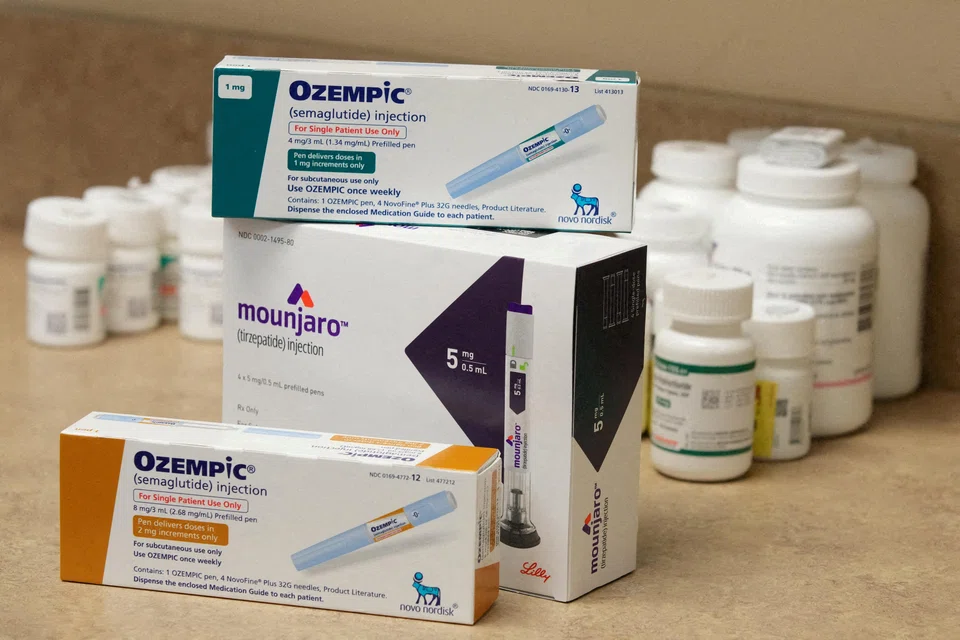
Even as their waistlines shrink, the tribe of obesity or GLP-1 drug users is rapidly expanding. Since 2020, prescriptions for drugs such as Wegovy, Ozempic and Mounjaro have more than tripled in the US alone.
But weight loss is actually the least of it. GLP-1 medications, which target the brain’s dopamine reward system, are quietly rewiring human desire. This will have profound implications for a wide range of vices and the people held in their grip.
One study of patients with opioid use disorder found that a GLP-1 drug reduced their opioid cravings by 40 per cent. In another study, 47 per cent of respondents taking a GLP-1 drug reported drinking less alcohol.
Already, the booze sector has been ravaged by more people saying “hold that beer” instead of “hold my beer”. Between 2019 and 2025, alcohol servings have declined by a compound annual rate of 2 per cent. Over the same period, the share prices of alcohol giants such as Boston Beer and Diageo have nosedived.
Not all of the industry’s decline can be chalked up to weight-loss drug usage, but it is harshing the sector’s buzz. This hangover could well spread to other spaces that exploit impulse purchases or compulsive behaviour – gaming companies, tobacco firms and online retailers.
If vice industries want to know what awaits them, the food sector offers an ominous preview. One study found that households with at least one GLP-1 user spent 5.3 per cent less on groceries. These households also spent 8 per cent less at fast-food chains, coffee shops and limited-service restaurants.
When you consider the sheer scale of the impending demographic shift, any industry built on the back of human weakness had better brace itself. Currently, 12 per cent of American adults say that they are on GLP-1 drugs, but some 40 per cent of their compatriots are obese.
Worldwide, 2 per cent of the obese population are estimated to be using weight-loss medication, but that market is bound to explode. More than a billion people in the world – about 12 per cent of the global population – are obese.
Previously, the high cost of GLP-1 drugs had slowed adoption and made sustained usage hard, but the medication is getting cheaper and better every year.
Patents are expiring on pricey brand-name obesity drugs in China, India, Brazil, Canada and Turkey – home to 40 per cent of the global population and 33 per cent of obese adults.
In India, a pharmaceutical firm has launched a weight-loss injection at a starting price of less than S$20 a month. And in China, incumbents slashed drug prices ahead of the patent expiring on Novo Nordisk’s Wegovy in March.
As more people turn to GLP-1 drugs, businesses that do not cater to the newly lean of body and stout of heart will suffer the value destruction that alcohol firms are experiencing now. It will be an interesting exercise; if nothing else, the value that is destroyed will help us put a number on the true cost of our worst demons.