

The green paradox facing legacy carriers like Singapore Airlines
When sustainability ambitions collide with outdated workflows, SIA’s shift from paper to pixels would be a clear leadership signal
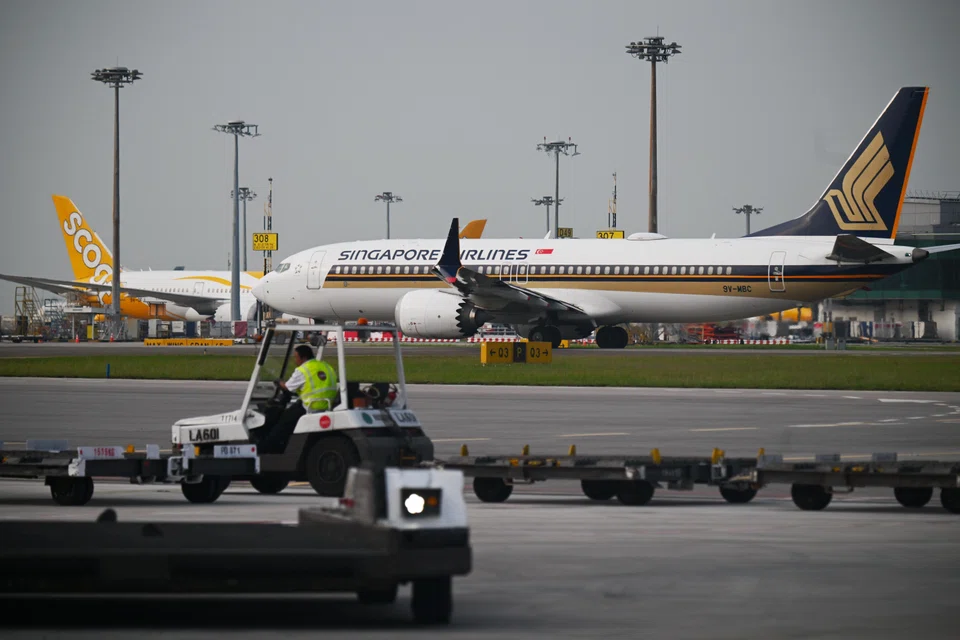
LEGACY airlines across the world are under growing pressure to prove that their sustainability ambitions are more than skin-deep. Fleet renewal, sustainable aviation fuel (SAF) investments and carbon offset schemes dominate corporate sustainability reports. Yet behind the scenes, many full-service carriers continue to operate with deeply manual workflows – a quiet contradiction that undermines their green credentials.
Singapore Airlines (SIA) illustrates this paradox particularly well. Long celebrated as a benchmark for premium service and operational excellence, the carrier has built its brand on innovation – from fuel-efficient aircraft and inflight recycling to its expanding SAF initiatives. But like many legacy airlines, SIA still relies heavily on paper-based systems for day-to-day cabin operations.
Passenger manifests, meal orders and inflight reports are often printed, prepared and filed manually. Even in premium cabins, orders are still taken by hand on paper slips. In an era when competitors are deploying integrated digital crew apps and real-time service dashboards, such processes feel increasingly out of sync with the sustainability narrative airlines wish to project.
TRENDING NOW

DBS, OCBC, UOB rout lops billions off STI as inflation, rate concerns spook investors

Grab CEO’s wife Chloe Tong on life with Anthony Tan and finding her purpose

OCBC sheds S$8 billion in value as shares close nearly 6% down; analysts cautious on banks

Deal between tycoon friends sparks scrutiny of Philippine power sector

