The hemispheric toll of the US-Venezuela crisis
Washington’s economic pressure has entrenched the autocratic regime and exported the costs
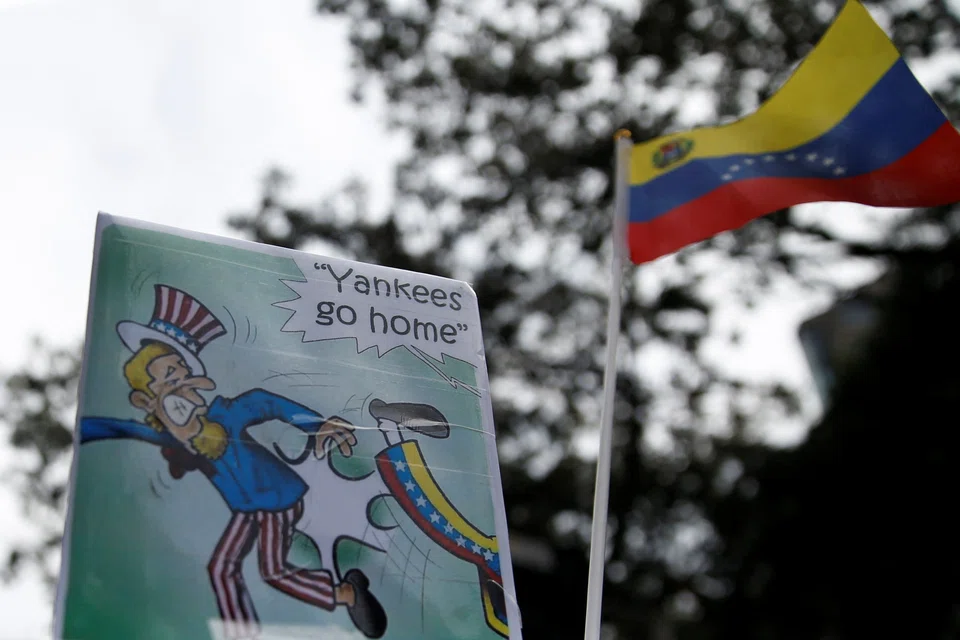
AS US naval forces patrol Caribbean waters and tensions with Venezuela escalate to levels unseen in decades, the economic implications extend far beyond Caracas.
The current crisis – marked by disputed elections, renewed sanctions, and military posturing – threatens to deepen a humanitarian catastrophe while reshaping economic dynamics across the Western Hemisphere.
The sanctions paradox
The reimposition of US oil sanctions in 2025, requiring Chevron to wind down operations, represents a reversal of previous engagement efforts. Yet, the economic weapon that Washington wields cuts in multiple directions.
A 2021 report by the US Government Accountability Office found that American sanctions on Venezuela’s oil sector contributed to a gross domestic product contraction of over 80 per cent between 2013 and 2020.
The dilemma is stark: Economic pressure aimed at promoting democratic change has instead created conditions that entrench authoritarian rule.
When US companies withdraw, autocrats consolidate power by redistributing economic assets to domestic and international allies, particularly China and Russia.
In 2023, crude petroleum accounted for half of Venezuela’s exports, with the US as its largest trading partner, followed by China. As American firms exit, Chinese buyers are stepping in, rendering sanctions less effective while accelerating Caracas’ geopolitical realignment away from Washington.
Meanwhile, the International Monetary Fund forecast Venezuela’s inflation to surge to 549 per cent this year, with the bolivar losing about 80 per cent of its value.
With about 73 per cent of the population already in poverty in 2024, many households are unable to purchase basic necessities. This economic warfare has measurable humanitarian costs.
The migration multiplier effect
Perhaps no consequence rivals the scale of the migration crisis. As at May 2025, some 7.9 million people had left Venezuela in one of the largest external displacement crises in the world, the United Nations noted.
The strain on host countries is considerable. Colombia estimated spending about US$600 per migrant in 2019, a significant burden for countries balancing tight budgets. Public services, healthcare systems, and labour markets in receiving nations face unprecedented pressure.
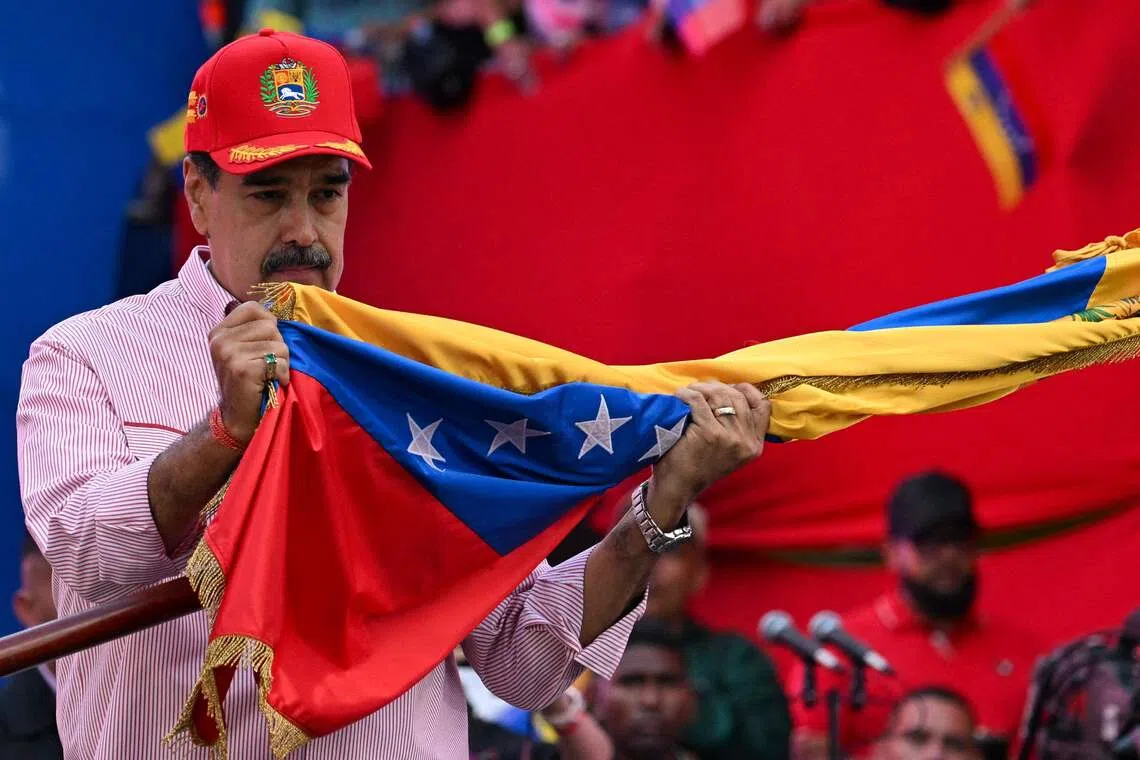
Yet, research suggests a more nuanced picture. With appropriate support and integration policies, migration from Venezuela has the potential to increase real GDP in Peru, Colombia, Ecuador and Chile by 2.5 to 4.5 percentage points by 2030.
Venezuelan migrants bring skills, entrepreneurial energy and labour to economies that can benefit from expanded workforces.
The key lies in integration: work permits, credential recognition, and access to education and healthcare can transform what appears as a burden into economic opportunity.
Recent surveys show that large numbers of Venezuelan migrants in Colombia and Peru lack formal employment and struggle to access health services, perpetuating informal economies.
Oil markets and energy security
Venezuela possesses the world’s largest proven oil reserves. The restrictions on Venezuelan crude have ripple effects throughout global energy markets.
The geographic proximity of Venezuelan crude to US Gulf Coast refineries previously offered significant transportation cost advantages, with Middle Eastern alternatives adding 15 to 20 days of transit time.
Oil production in Venezuela grew by almost 200,000 barrels per day (bpd) between 2022 and 2024, reaching about 900,000 bpd in early 2025. The licence’s revocation threatens to reverse these gains.
Projections anticipate a 15 per cent decline in oil production – which accounts for 25 per cent of GDP in 2025 – potentially triggering further economic contraction and humanitarian suffering.
Heavy crude production remains concentrated among limited suppliers, making markets susceptible to political disruptions. As geopolitical tensions mount across multiple regions, the weaponisation of energy resources creates supply-chain risks extending well beyond Venezuela.
The cost of escalation
Since returning to office, US President Donald Trump and his administration have labelled both Cartel de los Soles and the Tren de Aragua gang as foreign terrorist organisations, doubling the bounty on Nicolas Maduro – leader of the cartel and Venezuela’s president – to US$50 million.
The deployment of naval forces and reports of lethal strikes against alleged drug vessels signal a shift from economic pressure to military confrontation.
The economic implications of escalation are profound. Direct intervention would drain resources and create enormous uncertainty for regional businesses and investors.
Venezuela has already suspended a gas accord with Trinidad and Tobago, cutting off a source of foreign-currency liquidity. Further instability would discourage investment, disrupt trade relationships, and trigger new waves of migration.
For the US, military action carries reputational and financial costs. A recent Pew study found favourable views of the US fell sharply in Latin American countries.
In Mexico, support dropped from 61 per cent in 2024 to 29 per cent currently. Economic relationships built over decades could suffer as regional partners question US intentions and reliability.
A path forward?
The current trajectory offers little reason for optimism. Unilateral sanctions rarely succeed in toppling autocratic regimes. The evidence suggests that maximum pressure, absent a viable political pathway, often strengthens authoritarian resilience rather than promoting democratic transition.
What might work? A coordinated international approach combining targeted pressure on regime elites with humanitarian support for ordinary Venezuelans.
The US reduced aid for democracy and human rights funding for Venezuela from the planned US$50 million to zero in 2025, even as repression intensified. Supporting civil society, documenting human rights violations, and maintaining pressure through international institutions offer an alternative to economic warfare that harms civilians.
Regional cooperation is essential. The funding gap is stark: International aid raised US$3,150 per Syrian refugee, compared with just US$265 per Venezuelan migrant. Closing this gap would help transform the crisis into an opportunity for regional economic development.
As military tensions rise, policymakers face a choice: double down on failed strategies, or pursue more nuanced approaches.
The economic costs of the current crisis are already staggering. The question is whether leaders will recognise that military escalation risks multiplying those costs while offering little prospect of resolution – or whether the hemisphere will pay an even steeper price for confrontation over cooperation.