

If AI is a public good, nationalisation should be considered
A technology so consequential, potentially disruptive and paradigm-shifting cannot be managed through basic regulation alone

ARTIFICIAL intelligence could well prove to be the most profoundly consequential technology in human history. It is already challenging long-held notions of intelligence and creativity, promising to hasten scientific progress, and raising uncertainties about the future of jobs.
In these tantalising times, there is no shortage of techno-optimists who insist that we stand on the cusp of a world of super-abundance as AI usage will enable historic gains in productivity and prosperity.
Many economists, however, are not quite as sanguine. We worry about the gains being concentrated among a few, while large swaths of white-collar jobs are automated away.
TRENDING NOW

S$8 billion wiped off OCBC value as shares slide 5.8% in heavy trade

Grab CEO’s wife Chloe Tong on life with Anthony Tan and finding her purpose

Brookfield denies accusation it cut Soilbuild out of Mapletree deal
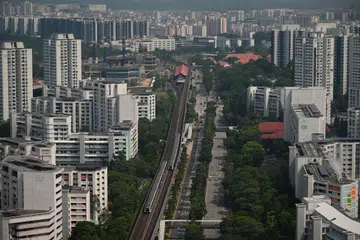
8 public officers referred to police over property buys near unannounced MRT stations: Chan Chun Sing

