

Investors should be wary of taking a bite into Sakae despite price surge

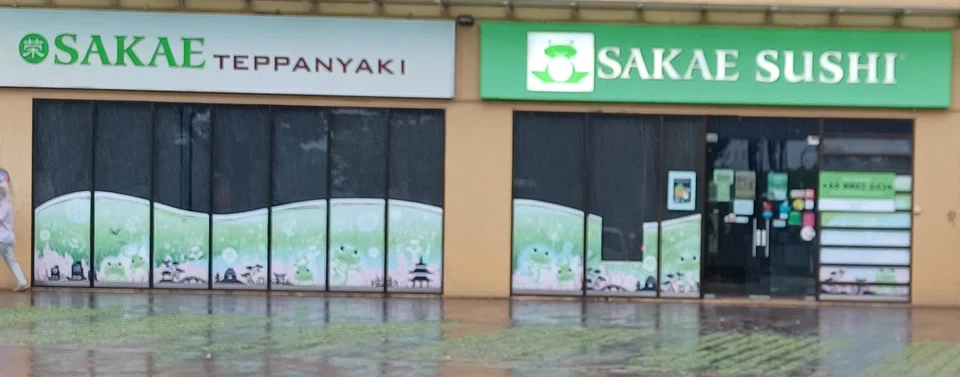
SAKAE Holdings executive chairman and controlling shareholder Douglas Foo’s proposed sale of a 20 per cent stake in the company for S$26.5 million might have raised some eyebrows.
Sakae’s shares closed at S$0.099 on Jul 18, a day before this proposed deal was announced. This translated to a market capitalisation of only about S$13.7 million.
The premium that Makara Capital is proposing to pay for the nearly 27.8 million shares in the mainboard-listed company is over nine times of that closing price.
If the proposed sale is completed, Foo will remain as executive chairman and controlling shareholder with 64.1 million shares, or about 46.15 per cent of the company’s total number of issued shares.
Foo appears to have struck a great deal. Or did Makara uncover some hidden gems in Sakae that retail investors are not aware of?
Sakae posted a S$9,000 net profit for the half year to December 2022, plunging 74.3 per cent year on year, despite a 9.4 per cent rise in revenue.
A study of its cost components showed that bank loan interest payments jumped the most – or some 87.2 per cent. Sakae attributed this to higher interest rates.
But the surge in financing costs could also be chalked up to Sakae’s insistence on using short-term bank borrowings as part of its “cash management strategy” to enjoy the “flexibility of such banking facilities”. This increases vulnerability to spikes in short-term interest rates as banks raise rates in tandem with the macro environment.
The group only had a net profit margin of 0.1 per cent for that period while its peers offering largely Japanese cuisine, Japan Foods Holding and RE&S Holdings, managed 4.4 per cent and 6.3 per cent, respectively.
Japan Foods also clocked a dip of 63.3 per cent to S$1.8 million in earnings for the six months to March 2023, but the Catalist-listed group’s revenue jumped 21.4 per cent year on year to S$40.6 million. Its network of restaurants expanded to 65 as of March from 56 the previous year, and it has a market value of about S$75 million.
RE&S posted a net profit of S$5.6 million for the six months to December 2022, up 61.7 per cent year on year. Its top line rose 23.5 per cent to S$88 million. The multi-brand, Catalist-listed group with a market cap of S$102.7 million did not provide information on the number of full service and quick service restaurants in its financial statements, but its website listed 17 brands.
Sakae is, in contrast, a hotchpotch of Japanese fare and corporate advisory services.
Sakae Sushi, the crown jewel of the group in the past, has closed most of its outlets and is left with only three, according to its website. An online review noted that its East Coast outlet has the vibe of a canteen.
A shareholder questioned Sakae at its annual general meeting in October 2022 about the profitability of the myriad of brands as well as the result of its diversification into fintech and cybersecurity, flagging that the latter two businesses were not mentioned in the latest annual report anymore.
Foo did not furnish a response directly, except to say that the “intangible value” of the Sakae brand has helped it to be appointed as corporate adviser to Vietnamese city Da Nang’s infrastructure investment and urban development.
Sakae’s shares reached a high of S$0.255, up 157.6 per cent or S$0.156, within hours after the market opened on the day of the announcement of Makara’s proposed transaction. While the share price and trading activity have since fallen to a lower level, the counter still stood at S$0.15 on Aug 4 – much higher than prior to the announcement.
Makara’s share purchase price is about 2.2 times of Sakae’s net asset value per share as at end-2022, roughly in line with that of Japan Foods (2.3 times) and RE&S (2.5 times). But minority investors should be wary of buying into the price surge and carefully consider Sakae’s prospects against its peers.
TRENDING NOW

Malaysian king buys stake in Singapore-listed mining firm expanding into rare earths

Grab CEO’s wife Chloe Tong on life with Anthony Tan and finding her purpose

Once staunchly pro-China, Malaysian Chinese businesses are now distancing themselves from Beijing

Longer wait times expected as S’pore healthcare institutions report system disruptions

