

Japan’s seabed discovery is a message for Indo-Pacific rare earth sustainability
Tokyo provides a good model for developing supply chain resilience for critical inputs
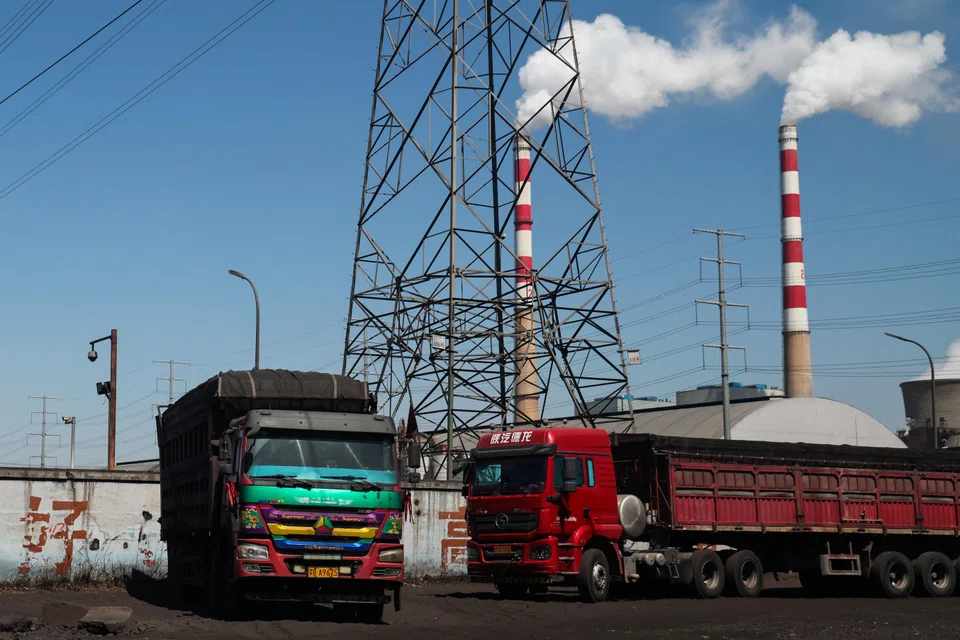
[TOKYO] In early 2026, Japan’s deep-sea drilling ship Chikyu successfully accomplished what its crew called a world first: the uninterrupted collection of mud containing rare earths from about 6,000 m under the Pacific Ocean, south of the isolated Minamitorishima Island.
An analysis released by Tokyo in late July 2026 showed that medium and heavy rare earth elements, such as dysprosium, gadolinium and yttrium, comprised 54 per cent of the overall amount of rare earths present in the samples.
Ahead of a large trial scheduled to start in February 2027, Tokyo plans to collect 350 tonnes of mud a day at the location and test whether there is potential for a commercially viable operation.
TRENDING NOW

S$8 billion wiped off OCBC value as shares slide 5.8% in heavy trade

Grab CEO’s wife Chloe Tong on life with Anthony Tan and finding her purpose
Brookfield denies accusation it cut Soilbuild out of Mapletree deal
8 public officers referred to police over property buys near unannounced MRT stations: Chan Chun Sing

