MaNaDr’s exit highlights need for tighter telemedicine audits
Government oversight will set expectations and allow for earlier flagging of errant behaviour

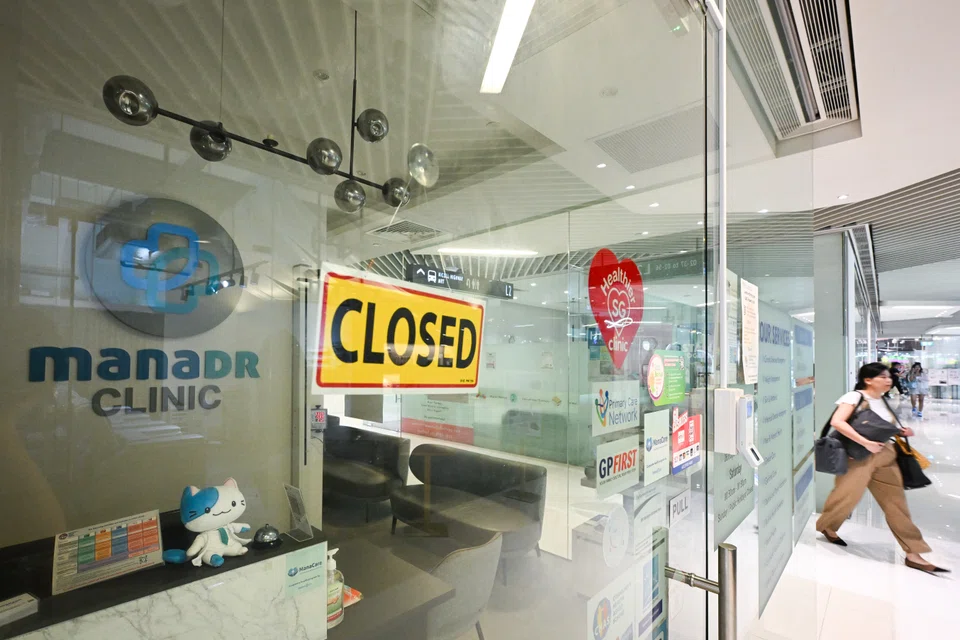
AS NEWS of MaNaDr Clinic losing its licence spread last week, social media users responded with a wave of memes on the exit of the prolific medical certificate (MC) provider.
The posts – from playful “moments of silence” to tongue-in-cheek tributes from unabashed “malingerers” – reflect how deeply MaNaDr became associated with the ease of obtaining MCs.
On Oct 24, the Ministry of Health (MOH) said it intended to revoke MaNaDr Clinic’s licence, citing the clinic’s failure to deliver outpatient services in a clinically and ethically appropriate manner.
This decision followed an Aug 16 directive for MaNaDr to suspend teleconsultation-based outpatient services. MOH had found that a “very large number of cases” handled by the clinic involved teleconsultations lasting one minute or less, yet often concluded with prescriptions and the issuance of MCs.
Memes, however, are not all that the telemedicine provider has left in its wake. There are lingering questions whether its misconduct could have surfaced sooner.
Given that MaNaDr could provide consultation data to MOH, it is reasonable to assume that they had such data on hand – and that most telemedicine providers’ systems would capture such data as a matter of course.
This also means that such data – from MaNaDr or other providers – would always have been available and could have been subjected to regular audits by the authorities.
With such audits, MaNaDr’s pattern of short teleconsultations and frequent MC issuance might have been spotted earlier. If this had been flagged and MaNaDr had quickly rectified their processes, a less permanent penalty might have been warranted.
Given that MOH had to take such severe regulatory action in this case, thequestion is whether this was a case of rogue outliers, or there is a need for systemic change in the form of tighter oversight of Singapore’s telemedicine landscape.
While telemedicine has brought unprecedented convenience to healthcare, this must not come at the expense of quality care.
Early intervention
One move to prioritise patient safety would be making it mandatory for telemedicine providers to regularly submit data to the authorities. This would set clear expectations by establishing benchmarks for consultation times, record-keeping, and ethical prescription and MC practices.
Routine audit submissions would not only help ensure that providers comply with clinical and ethical standards, but also enable MOH to identify and address questionable practices proactively.
This could allow for early intervention against providers which appear to be “MC farms” – liberally issuing medical certificates after insufficiently thorough teleconsultations that lack robust patient assessments.
Granted, mandating these might be challenging. One major hurdle is that telemedicine providers use different platforms. Many have proprietary systems, meaning data collection is not standardised across the industry.
Smaller telemedicine providers, in particular, could feel the strain of new compliance requirements. For them, regular data submission and audit procedures may pose significant operational and financial burdens.
To address the problem of data inconsistency, regulators and telemedicine providers could collaborate on standardised guidelines for data collection.
A unified framework would ensure that key metrics – such as consultation times and documentation practices – are reported consistently, regardless of the technology used.
Smaller providers could tap government digitalisation grants or subsidies for system upgrades. A tiered audit structure, with more flexible requirements for smaller players, could also help them meet standards without undue financial strain.
As telemedicine becomes more widespread, patients need assurance that remote healthcare providers hold themselves to the same standards as traditional clinics.
By requiring companies to submit regular audit data, authorities would signal a commitment to ongoing oversight, protecting patients from compromised care.