Minorities should do more to reject or pre-empt ‘lowball’ privatisation offers
THERE has been much discussion in recent months about “lowball” privatisation offers tabled by majority shareholders, with the focus on what can be done to improve the position of minorities who are typically seen as being exploited by such deals.
Whilst some sympathy is undoubtedly due, it is equally important to note a simple financial truth – no rational, profit-maximising offeror would pay full value, or for that matter, even close to full value.
More likely, offerors will surely try to extract maximum value by paying as little as possible, while playing within the rules.
Speaking of the rules, some believe it is up to regulators to intervene to help secure better prices. Again, it should be recognised – regulators are not in the business of meddling in corporate affairs, unless of course there is evidence of a crime or breach of regulations.
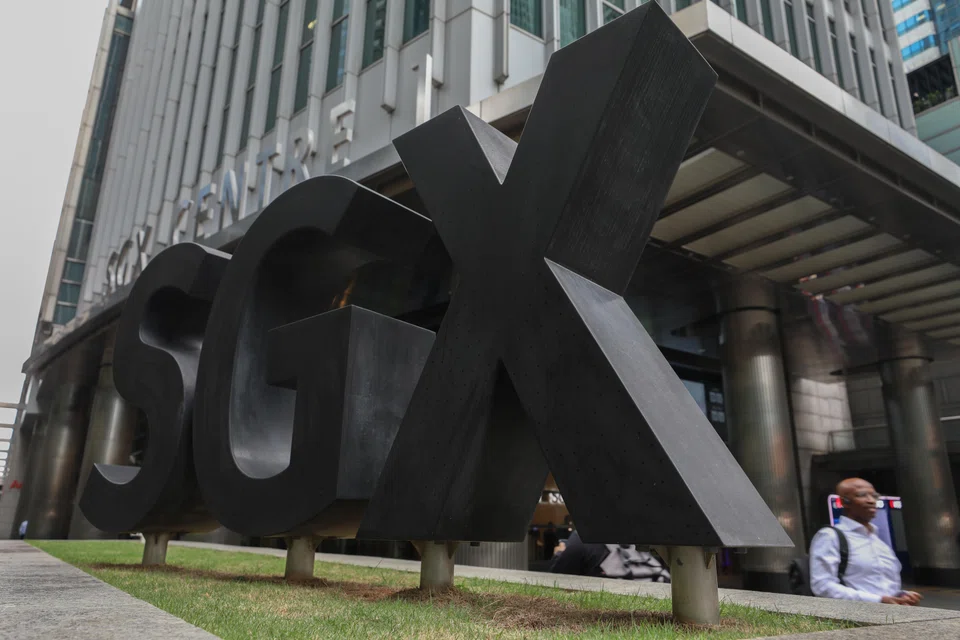
Moreover, the rules have already been amended to try as far as possible to protect minority interests when the Singapore Exchange (SGX) in 2019 mandated, among other measures, that for a delisting to be approved, offers must be both fair and reasonable.
The problem which arises – as in the case of Great Eastern – is that if offers are “not fair but reasonable” (or vice-versa), then an indefinite suspension can result if subsequent acceptances result in offerors crossing the 90 per cent ownership mark and trading is suspended.
This then places everyone – not just minorities – in intractable limbo, which is highly unsatisfactory. An application is then typically made to SGX for more time to formulate solutions, though short of an upward revision of offer prices to levels that are clearly both fair and reasonable, it is difficult to see what these could be.
In the final analysis, it is really up to minorities to either a) present a united front and reject “lowball” offers en masse, in which case offerors would be obliged to make improved offers if they are really intent on delisting, or b) band together to force managements to take action to raise share prices before privatisation offers are made, thus ensuring share prices trade at fairer values in the first place.
The drawback of the first option is that everyone’s financial situation is different, and so what is “lowball” to some may actually be attractive to others. Hence, getting everyone agreed on rejecting would not be easy.
As for the second option, perhaps the recent example of minority activism at property firm Koh Brothers might be instructive. Last month, three minority shareholders proposed two additional resolutions for the company’s annual general meeting (AGM) on Apr 29 which, to the credit of management, were accepted for discussion.
The first was to distribute shares in well-performing and indirectly-owned subsidiary Oiltek International to Koh Brothers’ shareholders, and the second was to appoint a financial adviser to unlock value.
Unfortunately, both resolutions were voted against at the AGM. Still, by taking up the cudgels on behalf of their fellow shareholders, the Koh Brothers’ minorities have put pressure on management to take action to address probable undervaluation.
Of course, whether this eventually leads to improved share price performance remains to be seen, but it is an important pre-emptive first step. Other minorities of potentially undervalued companies should take note.