

No, Jerome Powell isn’t playing politics
The Federal Reserve has demonstrated that it is relying on data to make interest-rate decisions
 Add BT as a preferred source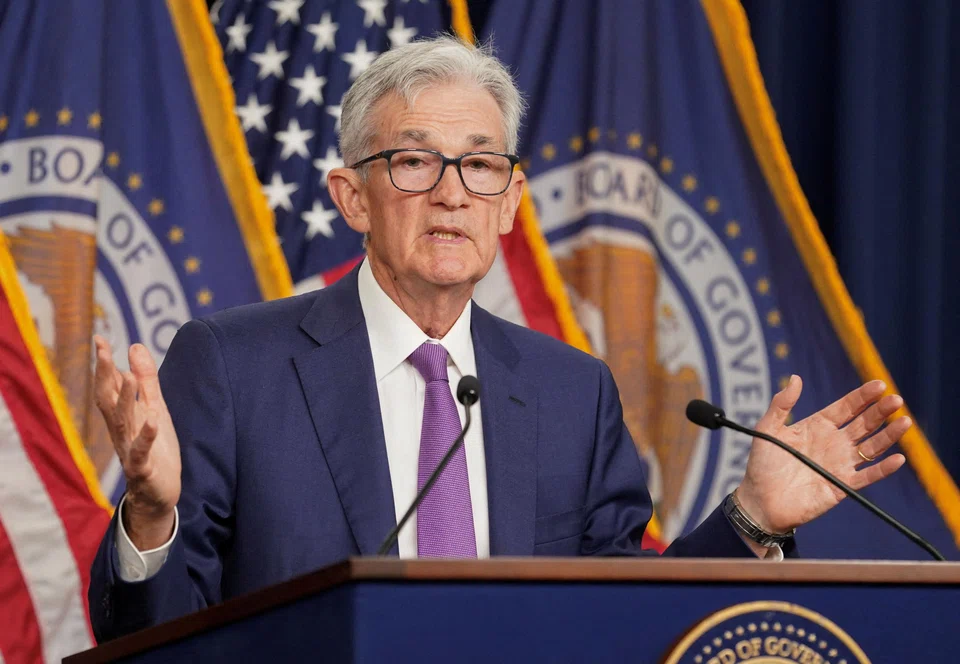
INVESTORS’ hopes for rate cuts this year have faded. The past quarter’s economic data showed that the inflation battle is not over; whether the Federal Reserve eases now depends on the data, a point Jerome Powell and the Fed have repeated ad nauseam. Then came last week’s nonfarm payrolls data for April, which was cooler than expected, and that was enough to re-establish hopes that cuts are back on the table – although investors still don’t expect the first cut until November, according to the Bloomberg World Interest Rate Probability function.
That would mean delaying until just after the intensely competitive US presidential election – and it’s no surprise that the Fed’s policy initiatives are being viewed ever more through a political lens. Conservatives have been forthright in their criticisms of the Fed in a manner that raises questions about whether the Fed would maintain its independence under a second Trump administration.
There are legitimate reasons to question central banking independence as it currently operates; when Powell was renominated as Fed chair, this column’s headline was The Fed Has Risen Too Far Above Political Control. But tinkering with its status needs to be done with great care, as it risks ratcheting up uncertainty and thus disturbing capital markets. And beyond that, it’s hard to overstate the usefulness of an independent central bank.
TRENDING NOW

Wealth of Singapore’s 50 richest diverges as OCBC, Sheng Siong boom offsets tech slide

Massive tax bill clouds sale of Singapore land by Malaysian king’s son
Canada’s fight with the US has far bigger stakes than trade

What’s luck got to do with it? Everything, says Malaysian jewellery king Tomei’s chief

