No one can stop the next form of legalised gambling
Prediction markets are becoming too big to be illegal; you can bet on it
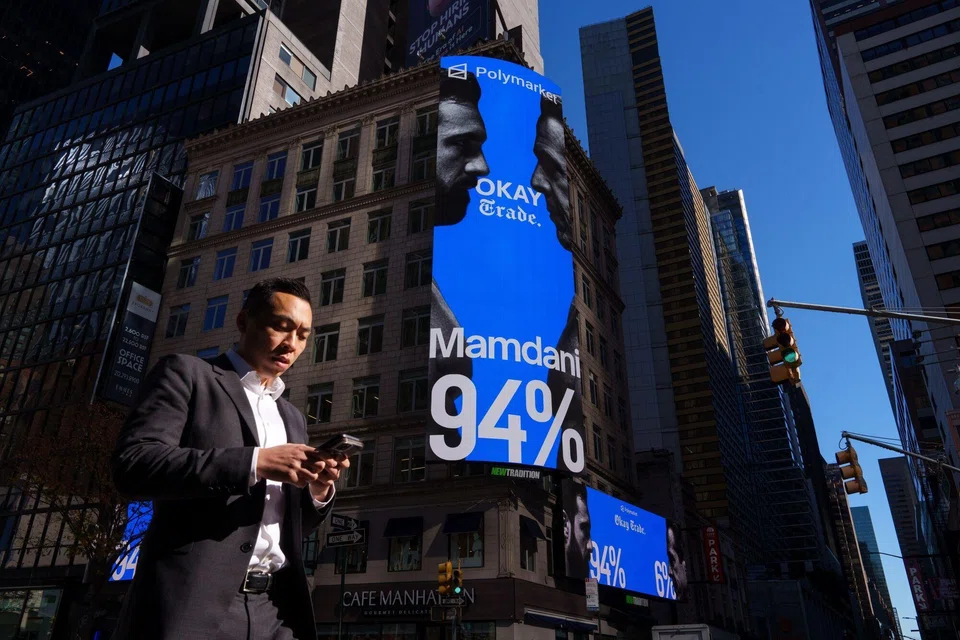

IF YOU were a betting man, I would wager (hah) that there is no better time to be alive. Thanks to prediction markets such as Kalshi and Polymarket, you can bet on everything under the sun now, from who will win the Nobel Peace Prize to when Jerome Powell will be out of a job. (You could bet on the sun too, if you think a solar flare is in the offing.)
Well, some of you could, anyway. Despite their soaring trading volumes, Polymarket and Kalshi face regulatory suspicion in multiple jurisdictions. Polymarket is blocked in Singapore, for instance, since it is considered to be a provider of illegal gambling. And just last week, Romania became the fourth European country to ban Polymarket, placing the platform on its blacklist of unlicensed gambling operators.
Even so, I reckon that the global regulatory tide will eventually turn in the favour of prediction markets, with the US providing the main undercurrent of permissiveness. Polymarket, banned in the US since 2022, will return to the market by month-end, having received a tacit regulatory go-ahead.
Improving the odds even more for the sector, US President Donald Trump now indirectly has a dog in this fight too. His social media platform, Truth Social, is getting into the prediction markets business, offering contracts on all sorts of events, from sports to election outcomes.
The sector’s regulatory legitimacy in the US has grown in tandem with its commercial one. Kalshi is looking at funding offers that could value it at more than US$10 billion, while Polymarket is in funding talks that could value it at up to US$15 billion. And in a move that will further intertwine prediction platforms with mainstream finance, the Intercontinental Exchange, which operates the New York Stock Exchange, will invest up to US$2 billion in Polymarket.
The takeaway from all these big numbers is simply this: the bigger the number, the more entrenched a fringe financial instrument becomes.
Once the market gains enough heft, the investment banks come a-knocking, jockeying for deals. Then, the private banks appear, driven there by their high-net-worth clients’ demand for returns. Eventually, even the retail banks offer a piece of the action, and the fringe financial novelty isn’t so fringe or novel anymore.
Where the money goes, accredited investors follow and jurisdictions eventually capitulate, re-orienting regulations to accommodate the inevitability of lucrative capital markets.
If all this sounds familiar, it is because you have already seen this narrative arc play out with cryptocurrencies, which have gone from being a grey-area oddity to something you can buy through your thoroughly regulated and licensed discount broker.
Should this trajectory hold, five gets you ten that we will see prediction markets vaulting over existing regulatory hurdles around the world. The expansion will not be unfettered, of course.
Governments are likely to restrict certain classes of contracts, such as those based on an illegal act happening or outlaw political event contracts altogether. There will likely be age-gating and anti-addiction measures, too.
Indubitably, there will be reservations about the morality of what looks suspiciously like gambling. But investors will have little patience for such qualms – the beauty of a market based on unyielding and binary outcomes is that there is no room for what should be. There is only what is.