Nothing should be ruled out if Iran war drags on for much longer
Religious convictions on every side are also weighing on the willingness to fight
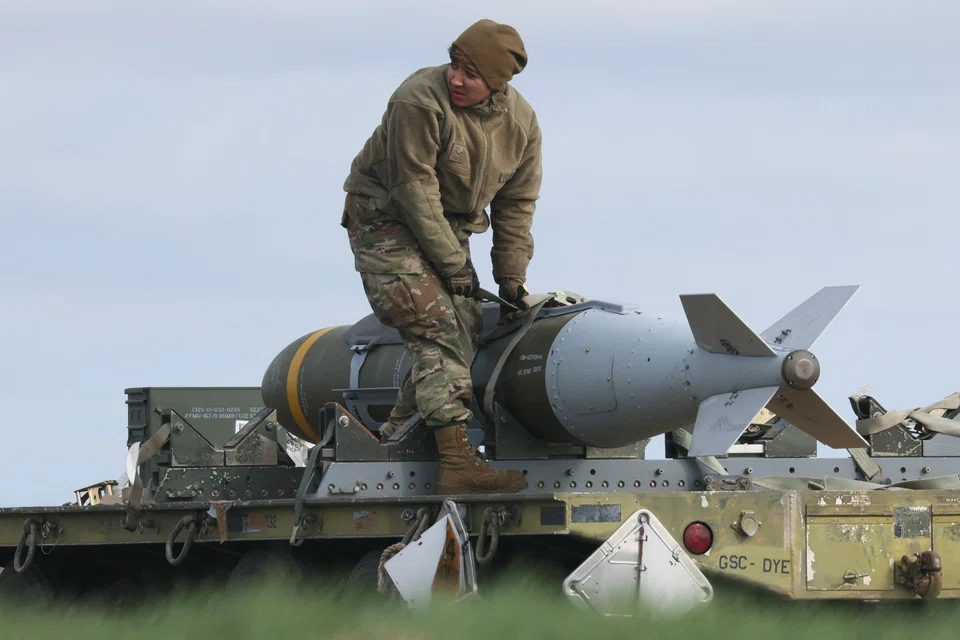

THE outbreak of war against Iran – and the consequent soaring energy prices – has concentrated minds about the geopolitical future of West Asia.
Of course, any discussion of a war should start on the premise that truth is the first casualty. So, this column makes only some broad observations.
Conventional wisdom has it that there are only three ways that wars among nations end: victory to one side, an armistice, or a political settlement between warring parties. A few illustrations might be useful.
The unconditional surrender of Nazi Germany and Imperial Japan that ended World War II represents a total victory to one side. Recall last year, 80 years after the event, when both the Western allies (the US and UK) and Moscow staged grand shindigs celebrating this.
The ceasefire line along the 38th parallel in the Korean peninsula may be the best example of an armistice – one that has held despite skirmishes from time to time when one side or the other feels adventurous.
Political settlements come when all sides totally exhaust themselves and do not want to see a reversion to status quo ante.
Scholars point to the example of the 1648 Westphalia treaty that brought about the system of modern nation states and, inter alia, ended eight decades of war between Spain and the Dutch Republic. It gave substance to the concept of territorial sovereignty among nations.
One complicating factor in the current war, however, is the eschatological assumption underlying the conflict.
For instance, the US-based Military Religious Freedom Foundation, a watchdog group, has reported more than 200 complaints about commanders telling their soldiers, sailors and aircrew that the current war with Iran was part of a divine plan, invoking biblical ideas about the “end times”.
Israeli leader Benjamin Netanyahu’s biblical references are legion. Speaking of Gaza, he once referenced the Book of Deuteronomy on the need to “blot out the memory of Amalek from under heaven”.
Iranian theocrats also religiously define their enemies, and consider the war as a test of faith that will pave the way for the coming of the Mahdi to establish justice and peace on earth.
Such sentiments weigh on the willingness to fight – on every side.
In the meantime, Brent crude, a global oil trade benchmark, is trading above US$100 a barrel for the first time since August 2022. And this is the price after the International Energy Agency’s decision to trigger the largest-ever release of its oil reserves: 400 million barrels, about a third of the 1.2 billion barrels that the 32 member countries hold in storage.
Clearly, oil traders see this as a palliative measure that cannot substitute for the status of the Strait of Hormuz as an open passageway for about 20 per cent of global oil supply.
There’s more. About 20 per cent of the world’s fertilisers also passes through the strait, along with nearly 10 per cent of aluminium and half of global seaborne trade in sulphur (used in fertilisers, chemicals, petroleum and critical minerals refining).
A shortage of these commodities will cascade into general price levels around the world, including in the US.
How will all this affect US President Donald Trump’s political position, especially if the war drags on even as the US midterm election nears?
Nothing should be ruled out, including a ground invasion or someone reaching for the nuclear button (or “dirty” bomb) in pursuit of a quick end.