

The risks of radical accounting changes
Policymakers, regulators and investors need to be acutely aware of unintended consequences
ACCOUNTANCY matters, not least because it changes behaviour. In a year of elections and political shifts, the point is worth making because conventional accounting is sending some exceptionally misleading signals for policy.
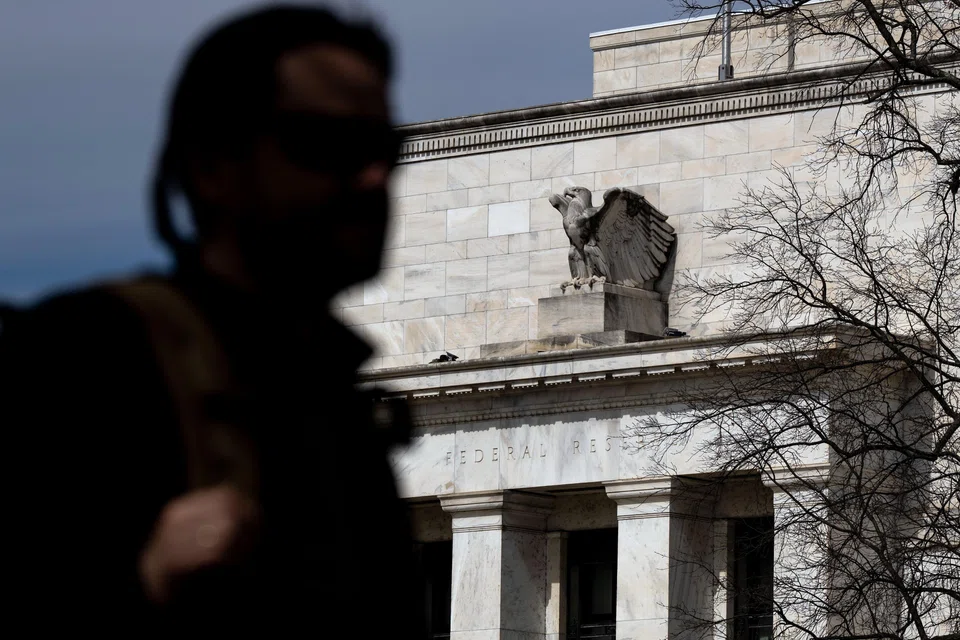
Consider, first, central bank finances. Central banks are incurring losses on assets they bought through so-called quantitative easing (QE) after the 2007 to 2009 financial crisis and during the pandemic. On a mark-to-market basis, many have negative equity capital and are thus technically insolvent.
This sounds scary. Yet, central bank balance sheets are curious because they exclude central banks’ most valuable asset: seigniorage, or the profit made on creating money. Only if the shrinkage in equity capital is greater than the net present value of future income from seigniorage is a central bank insolvent.
TRENDING NOW

S$8 billion wiped off OCBC value as shares slide 5.8% in heavy trade

Grab CEO’s wife Chloe Tong on life with Anthony Tan and finding her purpose

Brookfield denies accusation it cut Soilbuild out of Mapletree deal

8 public officers referred to police over property buys near unannounced MRT stations: Chan Chun Sing

