

Singapore’s first AI-related data breach underscores the Catch-22 SMEs are in
As the tech becomes more capable, is it realistic to expect non-specialists to understand its technical risks?
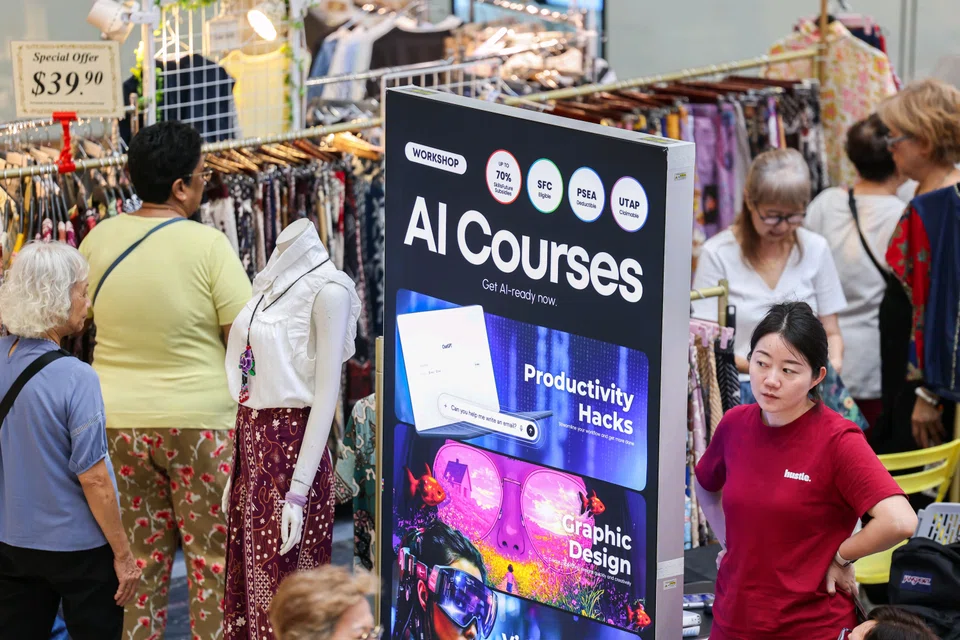
ON OCT 1, 2026, it was reported that more than 95,000 customers’ e-mail addresses had been exposed, after an employee of Bee Cheng Hiang used an artificial intelligence tool to help generate code for a marketing e-mail programme.
The Personal Data Protection Commission’s investigation found that AI was used to assist with writing code that subsequently handled a local mailing list. The code was deployed without adequate testing and review.
Singapore’s first AI-related data breach shows the dilemma small and medium-sized enterprises (SMEs) face in AI adoption: The more capable AI becomes, the less realistic it is to expect non-technical employees to spot the underlying technical risks.
TRENDING NOW

S$8 billion wiped off OCBC value as shares slide 5.8% in heavy trade

Grab CEO’s wife Chloe Tong on life with Anthony Tan and finding her purpose

Brookfield denies accusation it cut Soilbuild out of Mapletree deal
8 public officers referred to police over property buys near unannounced MRT stations: Chan Chun Sing

