Tackling nature’s demise as a key global business risk
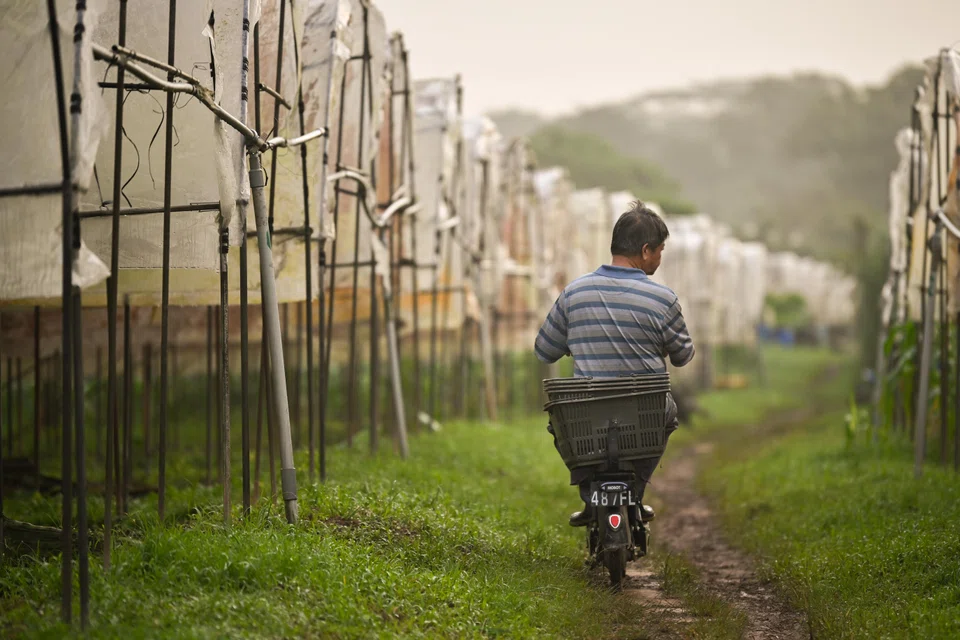
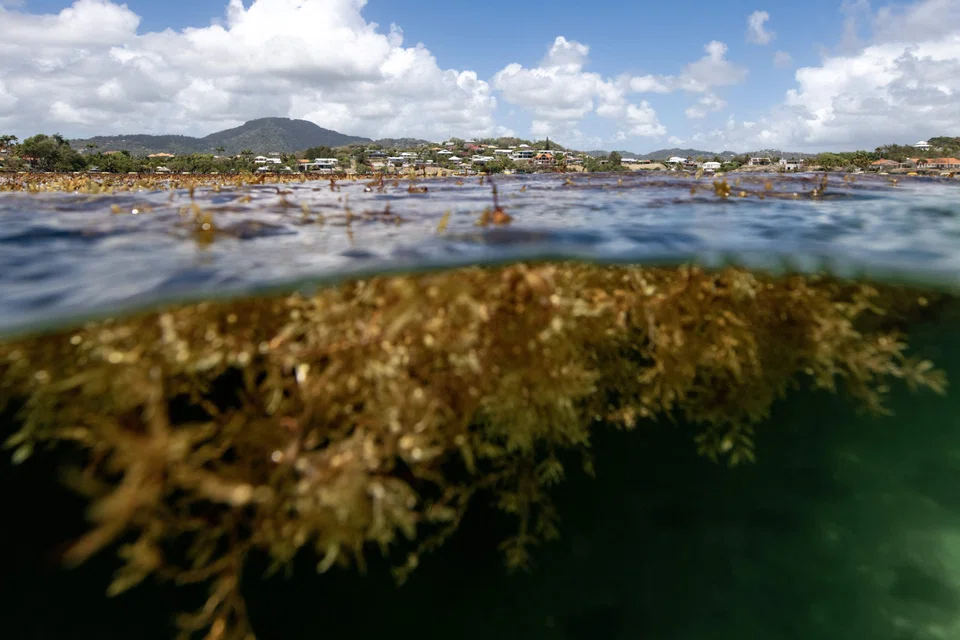
FOR all the current discussion about “critical infrastructure”, the world’s most critical form of infrastructure is nature. Few statements underscore this more clearly than the warning issued in 2015 by the United Nations’ Food and Agriculture Organization (FAO). In view of the degradation of arable land, only 60 more harvests could be expected – “then it’s over!”, the FAO stated.
Looking beyond food and agriculture, the World Economic Forum has found that just over half of global GDP is at risk due to dependence on nature. And, according to the same source, nine out of the ten biggest global risks over the next decade are linked to the default of natural systems.
To address this significant challenge to global prosperity, the Montreal Agreement on the protection of biodiversity was concluded last December. While that agreement is a useful first step, the key question is how to move from lofty intentions toward executing a robust economic and political agenda for the protection of our ecosystems.
Given that nature’s fragility is a direct business risk, many large companies have discovered that access to, and de-risking from, nature may soon be the most potent value drivers. They are now actively searching for ways to invest in the vitality of ecosystems. This new mindset extends beyond corporations engaged in agricultural supply chains. It has also taken hold among companies with system-level views that span many sectors – in particular, banks, portfolio managers and insurers.
The involvement of the private sector is a key part of the solution. With companies having an immediate self-interest, the focus has shifted towards how to properly structure markets to facilitate the preservation and enhancement of natural capital.
Developing such markets is critical for two reasons. First, while the Montreal Agreement is expected to mobilise funding of US$200 billion a year by 2030, actual annual funding needs are about US$600 billion higher. Second, the voluntary carbon credit market, focused on carbon dioxide emissions, is too small and eventually limited in its design and scope, since it does not sufficiently protect ecosystems and biodiversity.
The importance of modern market infrastructure
What are the core elements of properly constructed marketplaces that can funnel private capital into preserving and enhancing natural capital – so that the intentions expressed by the Montreal Agreement will have actual on-the-ground impact?
A pivotal requirement is the ability to accurately measure the state of natural capital. While we have long quantified primary goods produced on the land, such as timber or wheat, we have fallen short on measuring less-tangible assets such as the state of biodiversity, air, water and soil health.
Without the ability to quantify these additional elements of natural capital, we will have a hard time future-proofing the global economy. With natural infrastructure unmonitored and largely unmanaged, massive liabilities will build up on food, energy, mining, construction, infrastructure companies and eventually financial corporations.
To protect against those risks, a multitude of technological advances have become available. These advances include a revolution in computer visualisation which allows the integration of multiple data layers from ever-improving satellite data, metagenomics testing, fauna acoustics, ground sensors and ground imagery. Properly aligned, they allow us to measure the degree of preservation and enhancement of natural capital ever more precisely. In addition, machine learning will accelerate our ability to understand biocomplexity while lowering monitoring costs.
These technologies will not only help with managing nature assets and liabilities, but also complying with nature disclosure requirements now emerging in Europe and globally.
On this basis, a company’s water, soil, biodiversity, as well as its carbon impact and exposure will soon be reflected in its sustainability report as well as on its balance sheet where nature liabilities and assets will drive corporate value.
The accounting profession is on the cusp of determining under what circumstances natural capital investments will be reflected on corporate balance sheets. By way of example, food companies that compensate suppliers to engage in measurable improvements of soil, water or biodiversity quality may have these payments recognised as capital investment.
Establishing markets to transact natural capital enhancement won’t be easy. After all, the existing comparable – voluntary carbon credit markets – has come under fire. However, the recent revelations present us with an opportunity to build the nature markets we need – reliably measured, outcome-based, translated into dependable contracts between nature stewards and companies, and consistent with accounting standards. Market participants must make sure we don’t let this crisis go to waste.
For corporate decision-makers, the path forward begins with broader acceptance of the fact that the degree of nature and biodiversity loss is the direct result of a past choice to misprice nature.
The World Economic Forum figures cited at the outset make it abundantly clear that we have all been dealing irresponsibly with a critical asset. Looking ahead, we would be well advised to turn this past misjudgment into an investment opportunity that can safeguard global prosperity.
The writers are co-founders of The Landbanking Group. Martin R Stuchtey also founded SYSTEMIQ to help design and build an economy that is consistent with the Paris climate agreement and the UN Sustainable Development Goals.