Taking away food in CBD? Refuse the disposable cutlery at least

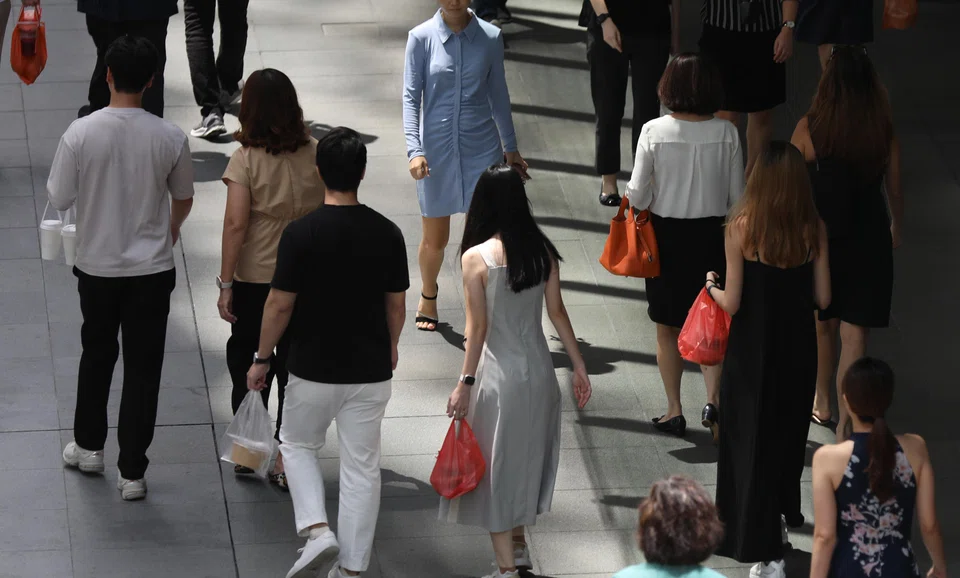
[SINGAPORE] Recently, I was at Raffles Place for a lunch appointment. It was a bustling scene, with people streaming out of offices seeking their midday nourishment.
Although it was not yet noon, long queues were forming outside popular food outlets. With limited or no seating for many of these eateries, most people were placing takeaway orders.
Each order was neatly and securely packed, with one container for the food and smaller, separate containers for the condiments. Disposable cutlery was included and, the finishing touch, a sturdy plastic bag in case of spills.
Imagine the amount of food packaging used to serve up the thousands of orders daily.
If more people dined in – as opposed to taking away their food – the amount of disposables consumed would be greatly reduced.
According to the National Environment Agency, 265 million kg of disposables was discarded in 2022, including plastic bags and food packaging. That could fill about 500 Olympic-sized swimming pools or 5,300 four-room Housing and Development Board flats.
With Semakau Landfill nearing its maximum capacity, the Singapore Green Plan 2030 aims to cut down the amount of waste sent to this remaining landfill.
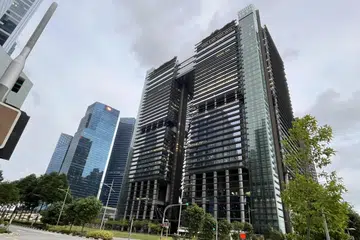
To me, there are several reasons why our financial Central Business District area is an offender. First, food centres such as Lau Pa Sat, Market Street and Amoy Street do not offer much seating. Neither are they air-conditioned, which could be another reason why workers may prefer to take away their food.
Other food outlets offer limited seating and it may often be a tight squeeze. That’s understandable as rents are high in the Raffles Place area and there is little customer traffic in the evenings. Businesses have little option but to maximise their lunchtime sales.
Getting a high volume of orders out in a short span of time must be the aim, rather than encouraging diners to linger over a leisurely lunch.
Second, alternative, comfortable seating is available. The CBD area is where you will find many top-grade buildings that offer shaded and airy common spaces, with tables and benches where workers can enjoy their takeaway lunch with a few colleagues.
Many employers also provide comfortable and well-stocked pantry areas where workers can retreat to air-conditioned comfort, without having to gulp down their lunch at the hawker centre as impatient strangers wait for them to vacate the table.
In comparison, those who work in smaller offices outside of the CBD might be more inclined to walk out to eat simply because they want a break from being cooped up inside all day.
It’s not all doom and gloom. Food operators are making an effort to see how they can streamline the packaging used. Some operators have also switched to biodegradable food packaging. But more can be done.
I would hesitate to suggest that office workers bring along a reusable container to take away their lunch. Somehow, the image of a tingkat and smart office wear don’t go together. But a possibility could be the use of one’s own cutlery instead of disposables. It may not be much but in the long run, every little bit of change helps.