Trade deals open doors. Someone still has to walk through them
The UK’s Singapore Life Sciences Trade Accelerator will drive commercial growth and cross-border collaboration
INTERNATIONAL trade has become more complex, more contested and more political. Tariffs have returned. Protectionism is rising. Regulation is multiplying. And geopolitical risk increasingly shapes commercial decisions.
Yet, trade agreements and economic partnerships are only a starting point. The next challenge is helping businesses turn those opportunities into commercial growth. Governments negotiate agreements, and businesses have to work out how to use them.
The ambition of British firms has not disappeared, but against this backdrop, many small and medium-sized exporters need additional support to succeed internationally. They need market intelligence, regulatory expertise, trusted contacts and practical support to turn a first conversation with an overseas partner into a commercial relationship.
That gap, not a shortage of ambition, is what holds many exporters back.
The UK and Singapore relationship shows what closing that gap can look like. Trade between the two countries reached £29 billion (US$39.2 billion) in the year to March 2026, up 20 per cent on the year before.
Singapore is now the UK’s 18th-largest trading partner, and a bilateral Free Trade Agreement, a Digital Economy Agreement, Asean Dialogue Partner status and joint membership of the Comprehensive and Progressive Agreement for Trans-Pacific Partnership already sit between our two countries.
These are strong foundations, not a ceiling. The task now is to use them.
The Singapore Life Sciences Trade Accelerator, first announced in February 2026 and developed by the British Chambers of Commerce with the British Chamber of Commerce Singapore and NatWest, is a test of this. Life sciences is a natural place to start.
The UK brings world-leading research, clinical expertise and a pipeline of companies working in diagnostics, medical devices, advanced therapies and digital health. Singapore brings a sophisticated regulatory environment, deep capital markets and a biomedical ecosystem that reaches across South-east Asia.
On paper, the fit is obvious. In practice, turning that fit into contracts, investment and partnerships has always been the harder part.
The prize is not only export growth, but faster collaboration between companies, investors, researchers and healthcare institutions – so that promising technologies can reach patients and communities sooner.
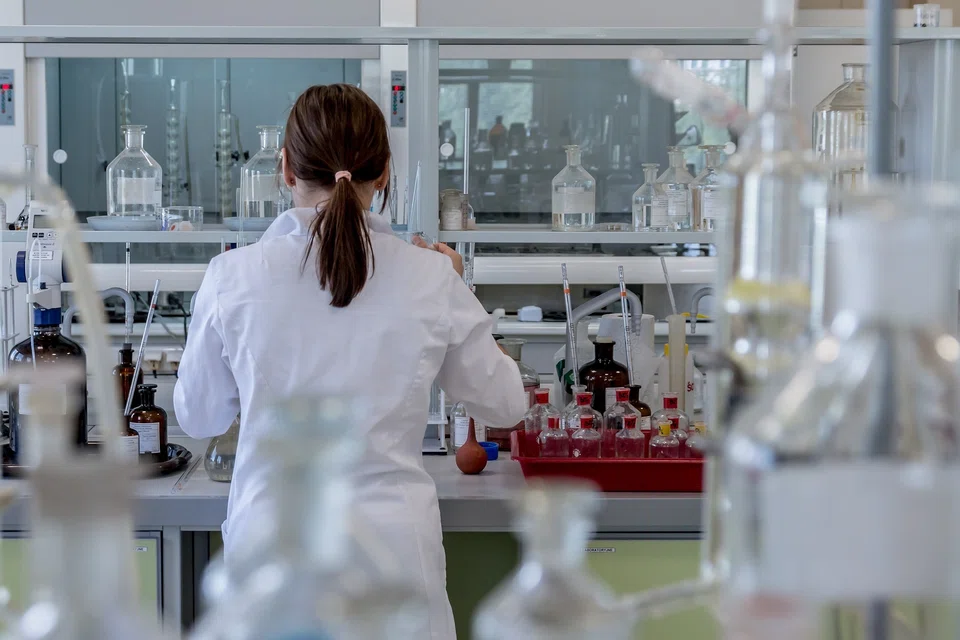
After six months of preparation, a group of nine British life sciences businesses is meeting with buyers, investors and decision-makers in Singapore from Sep 7 to 11. Their aim is to learn about the market, strengthen their investor readiness, navigate the regulatory landscape and be introduced to the ecosystem.
What follows matters as much as the week itself. Structured aftercare has to keep relationships alive long after the delegation goes home.
Traditional trade missions open doors. This programme is built to walk businesses through them, and to stay with them once they are inside.
Governments can negotiate access, remove barriers and build diplomatic relationships, but it is businesses that sign contracts, invest, innovate and create jobs.
The problem – how to connect what governments agree in policy with what companies are equipped to do with it – is not unique to Britain. Singapore is a natural place to test that answer in this pilot programme.
The ambition is to scale the trade accelerator well beyond this first cohort. The same architecture that has connected 10 life sciences businesses to Singapore could connect many more, across other sectors, to other trusted markets, from India to the Gulf and North America.
Singapore is the pilot. The wider lesson, for the UK, Singapore and any two economies trying to turn partnership into practice, is that trade agreements are a start, not an outcome.
Somebody still has to do the work of walking businesses through the door that has been opened.
Shevaun Haviland is director general of the British Chambers of Commerce and Nik Mehta is the British High Commissioner to Singapore