

UN plastics treaty is being hampered by climate obstruction tactics
Conflicting interests are coming to a head as countries attempt to end the scourge of pollution
COMPANIES start selling a product that transforms daily life. Scientists warn it is dangerous. Dozens of countries try to reach a deal to rein in its use but others fight back and slow action.
This sums up the decades it has taken United Nations negotiations to curb emissions from burning fossil fuels, which are the biggest driver of climate change. But it also describes more recent efforts to end the scourge of plastic pollution in separate UN talks due to come to a head in Geneva on Thursday (Aug 14).
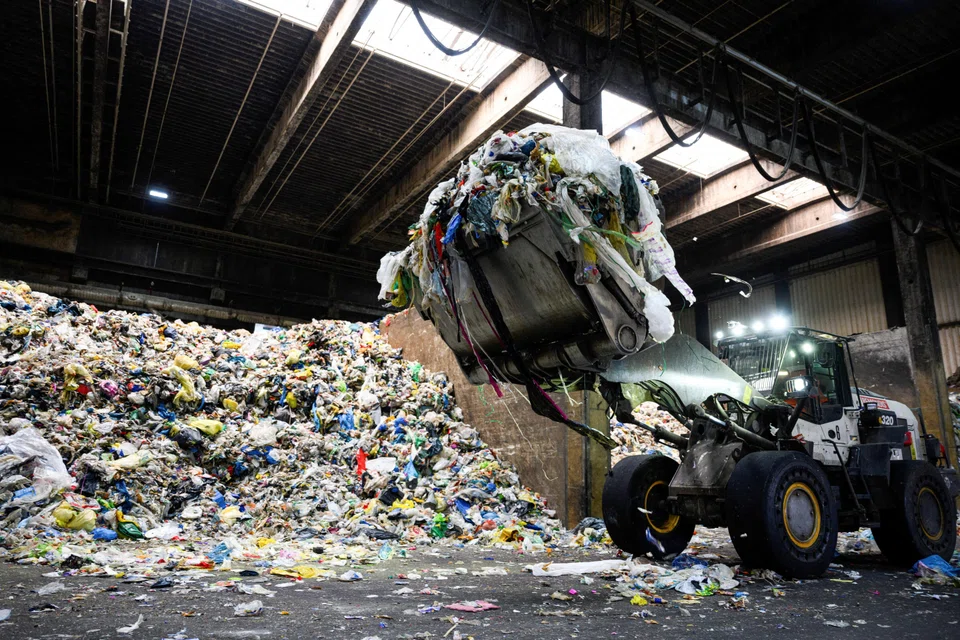
The Geneva meeting is supposed to craft the first legally binding pact to tackle the ocean-choking, health-harming, carbon-polluting plastic waste that the Organisation for Economic Co-operation and Development (OECD) says is on course to nearly triple by 2060.
It’s the latest big round of UN diplomatic bargaining since Donald Trump took office in January. The outcome will say much about the state of multilateralism at a time of widening geopolitical turbulence.
Should the three-year-old talks fail, it will be a big setback for efforts to subdue a gathering environmental and health disaster – and a victory for many of the countries that have long resisted global climate action.
The defiance is not coincidental. Plastics are made from petrochemicals derived from fossil fuels. As the world shifts towards electric cars and other green technologies, petrochemicals are set to become the main driver of global oil demand growth from 2026 onwards, says the International Energy Agency.
There is therefore much at stake for oil and gas-reliant economies in Geneva, where many countries understandably want a global cap on plastic production, as well as legally binding measures to phase out the most harmful plastic products and chemicals.
“Oil-producing states might support long-term aims to cut production but I can’t see what’s in it for them to voluntarily agree to binding global caps,” one experienced observer of the talks told me.
Ministers from the European Union, which has already cracked down on some of the worst types of single-use plastic pollution and wants an ambitious treaty, say they are ready to do a deal, “but not at any cost”.
This split is a big reason why the talks failed to meet their original, and relatively ambitious, deadline to finalise a new treaty last year.
But the divide is also fuelling frustration with top oil producers such as Saudi Arabia, which delegates say is deploying negotiating tactics honed in decades of UN climate talks. Riyadh has a famously long record of obstruction that researchers say was designed to “achieve as little as possible, as slowly as possible”. It has repeatedly insisted on consensus decision-making, rather than the majority voting used in other UN bodies, allowing a handful of nations to block widely-supported measures.
The plastic pollution treaty talks failed to agree rules early on to allow majority voting. This baffles some observers. “There’s this weird aversion to majority decision-making in the environmental field that I find very, very strange,” says the Norwegian Academy of International Law’s Magnus Lovold, an international treaty specialist.
But Saudi Arabia’s concern about global plastic production caps is by no means unique, and it is unclear how many other nations are hiding behind it in Geneva.
The US, the world’s largest oil producer, has also opposed what it has reportedly called “impractical” production targets and restrictions on additives that would make plastic products more expensive.
This position is not entirely new. The Biden administration also baulked at production limits and instead backed steps to boost recycling and reuse. The trouble is, recycling is far from easy, even in rich countries, which is why it’s estimated only about 9 per cent of global plastic waste is recycled. It is even harder in poorer countries that struggle to collect and sort waste.
Global rules would help to solve a global problem. That’s why a lot of companies hope the Geneva meeting will produce what the Business Coalition for a Global Plastics Treaty calls “an effective, legally binding UN treaty to end plastic pollution”. Coalition supporters include Walmart, Coca-Cola and PepsiCo.
Meanwhile, there is much speculation about one country: China.
Beijing repeatedly insists it is committed to multilateralism. It has never shown any interest in following the US out of the 2015 Paris climate agreement and many hope it might fill the Trump-sized gap in global climate talks. It has yet to do so and has been hard to decipher in Geneva. Let’s see if it shows its hand before deadline day on Thursday. FINANCIAL TIMES
TRENDING NOW

Looking beyond looming CEO succession, should UOB potentially pursue a transformative merger?

Once staunchly pro-China, Malaysian Chinese businesses are now distancing themselves from Beijing

Family offices ‘kept captive’ by relationship managers turn to independent advisers, direct deals
MAS holds monetary policy settings, pausing after two straight tightenings

