

In Washington, they’re all economic nationalists now
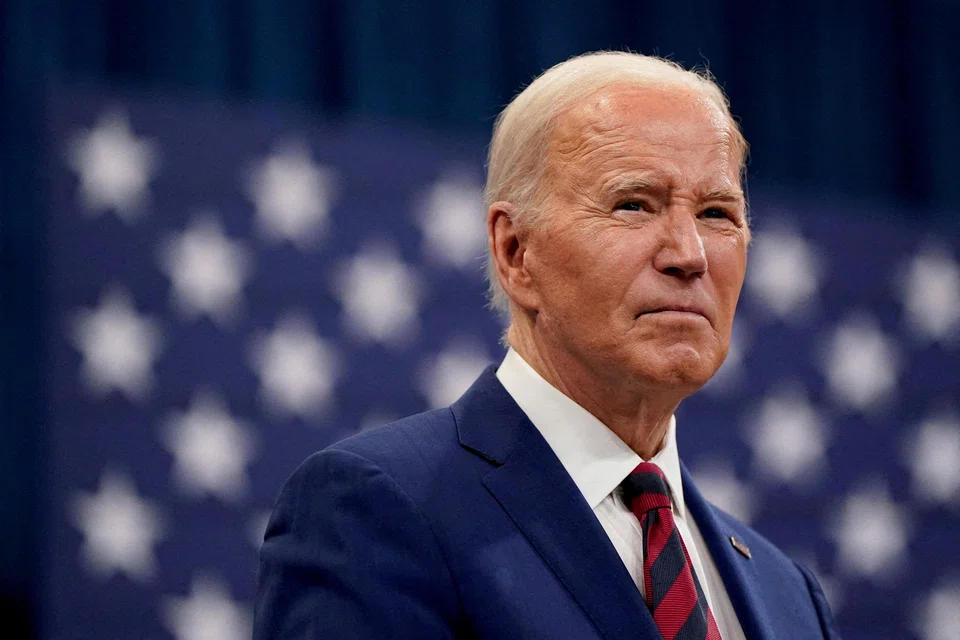
FOR much of his time in office, Democratic critics lashed out at president Donald Trump for being an economic nationalist, ready to launch trade battles against America’s partners abroad and disregarding multilateral regimes that govern international relations.
Trumpism marked a reversal of the so-called Washington consensus, with its emphasis on openness to foreign trade and investment and on minimising government intervention in the markets as a way of promoting US global economic interests.
Running to replace president Trump in the White House, candidate Joe Biden pledged in 2020 to reverse this inward nationalist trend and asserted his commitment to pursuing an internationalist agenda.
That was then. But just this month the Biden administration has taken steps that made it clear that, very much like his predecessor, Biden has abandoned traditional free trade policies and is now embracing a more nationalist and protectionist economic agenda.
First, the White House, citing national security considerations, indicated that it backed the legislation passed by the House of Representatives to force the sale of TikTok, the Chinese-owned video app.
Then President Biden, under pressure from the politically powerful labour unions in Pennsylvania, issued a statement opposing Japan-based Nippon Steel’s bid for Pittsburgh-based United States Steel, which he said should remain under US control.
These are just the two latest examples of the Biden administration’s embrace in the name of national security of the notion that US ownership is required not only to protect America’s technological secrets but also to help boost domestic companies and workers.
In a way, the Biden administration’s position reflects what US national security adviser Jake Sullivan called last year the “new Washington consensus” that calls for a mix of tariffs and subsidies to support important domestic industries (including steel, semiconductors and cars) and reverse the decline in American manufacturing power.
In fact, President Biden’s position on trade, especially when it comes to China, has been even more aggressive, insisting that Beijing is now America’s leading geo-economic adversary and asserting the zero-sum game nature of the rivalry.
Moreover, the American administration’s opposition to Nippon Steel’s US$14.1 billion purchase of US Steel is quite remarkable considering that Japan is a major treaty ally of the US, and that US Steel’s operations do not directly affect American national security.
The deal is now being reviewed by the Committee on Foreign Investment in the United States, who is not expected to recommend blocking the takeover, hence providing the president with leeway to allow it to go through.
Nevertheless, the Biden administration’s position on the issue in the context of the new Washington consensus doesn’t bode well to those at home and abroad who had hoped that the supposedly internationalist Democratic president would counter the economic nationalist drive advanced by former president Trump and his followers in the Republican Party.
From that perspective, the message from Washington to free traders and America’s economic allies in the run-up to the US presidential election is that – no matter who is elected in November, “we are all economic nationalists now”.
TRENDING NOW

Once staunchly pro-China, Malaysian Chinese businesses are now distancing themselves from Beijing

Cliff Tan has 7 million followers and a 4-month waitlist. Why won’t he expand his business?

Could stablecoins be the future of money?

Grab CEO’s wife Chloe Tong on life with Anthony Tan and finding her purpose

