

Why we still haven’t hit peak 1990s nostalgia
The cost of living, geopolitical turmoil and omnipresent technology have the old and young alike pining for simpler times
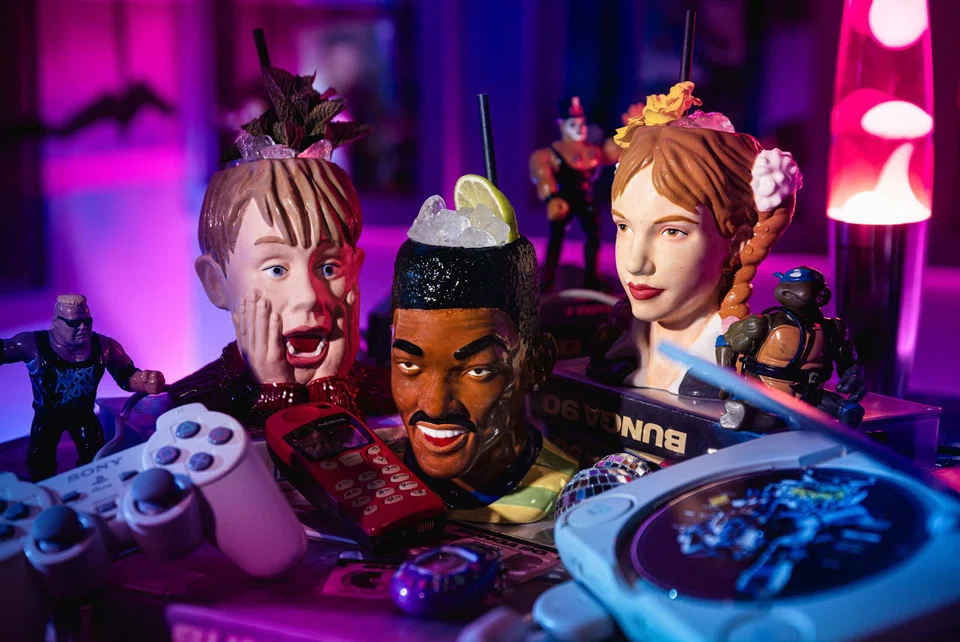
IN LONDON, there’s a new bar called Bunga 90 themed on nostalgia, with an entrance through a mockup Blockbuster-esque video store and bands such as the Cranberries blasting over the loudspeakers.
This summer, the Oasis reunion tour sold out stadiums around the world. Former British Vogue editor Edward Enninful is curating a ’90s exhibition at the Tate Britain to open next year. And on runways and at retailers, ’90s trends are omnipresent, including checked skirts that look straight out of Clueless.
Nostalgia for the 1990s isn’t new. Experts say that 20 years is the general threshold for trends to cycle back, with two decades being the amount of time required to start feeling wistful about another era, rather than seeing it as the recent past. Think about how the Americana musical Grease was released in 1978 but set in 1958.

But 30-something years later, ’90s trends are still dominating pop culture.
“The love for the ’90s is still hanging on, partially because the ’90s were the last gasp of an analogue age, before the Internet took hold of every aspect of our lives,” says Lauren Bravo, author of What Would the Spice Girls Do?.
Bravo says the decade holds an extra fascination for younger generations, who can’t remember a time before everything was permanently online. For those of us who can, it’s as if we’re yearning for what we remember as simpler times.
“A good example of the current trend is parents installing landline phones in their houses, so their teens can chat to their friends without having smartphones,” Bravo says. “It has huge practical benefits, but also appealing retro aesthetics for kids who think the ’90s were the height of cool.”
Beyond pining for a time when people weren’t constantly online and mining their life for #content, Bravo says there’s also a point to be made about the ’90s being the last time before everything started feeling so terrifying.
The Berlin Wall had just come down, apartheid came to an end in South Africa, and the economy boomed for much of the decade in the US. In the UK, a landslide Labour victory in 1997 brought the left wing to power for the first time since 1979.




But the optimism that had been unleashed in the West seemed to screech to a halt after Sep 11, 2001; the war on terror followed.
Professor Matthew Pateman, head of the department of English and creative arts at Edge Hill University and author of a book on cult-favourite TV series Buffy the Vampire Slayer (1997-2003), sees two reasons why nostalgia for this decade is particularly strong.

The first is that many of the people producing TV shows or arranging stadium tours are now in their late 30s, 40s and 50s, and likely remember the ’90s fondly.
“The more cynical reason, which the Oasis tour would speak to, is that artistes, promoters, networks and streamers realise that there’s a lot of disposable income based in the ’90s, because there’s a proven track record of success that they can just plug into,” Prof Pateman says. “It’s probably easier to imagine a Buffy reboot than it is to go with a completely untried, new idea.”
A new Buffy project is currently in development at Hulu, with the pilot directed by Oscar winner Chloe Zhao. A Baywatch reboot is also on the way. Those are American-made TV shows, but Prof Pateman thinks that some of the ’90s nostalgia is particularly strong in the UK.
“There was the massive expansion of Brit-pop and a sense of cultural delight, with the union flag being a sign of genuine unity, whether that was with the Spice Girls or David Bowie’s coat in 1997,” Prof Pateman says, referring to the union flag coat designed by Alexander McQueen that the late rock icon wore in 1996.

Bravo, who is based in Brighton, UK, agrees. “We had Cool Britannia; we had a landslide Labour victory; we had the Spice Girls and young British artists earning adoration around the world; and there was a mood of massive optimism for the future,” she says, adding that it was possibly the last time she remembers the country feeling this way.
There was a Labour landslide in the 2024 election, too, but the national mood has soured fast since then. An Ipsos poll ranks Keir Starmer as the most unpopular prime minister on record. And the flag that delighted crowds when worn by Geri Halliwell and David Bowie has taken on darker connotations: This summer, it figured prominently in anti-immigration protests.
That’s not to mention how different the economy feels, especially in terms of cost-of-living concerns and stagnant wages. The UK’s Office of National Statistics noted that the cost of buying a house in London in 1997 – that rose-tinted Cool Britannia year – was four times median earnings. In 2024, it was 11.06 times.
“The ’90s were more hopeful times; Britain felt like a great place, and in the last 10 years, especially post-Brexit, our standing in the world doesn’t feel as good,” says Charlie Gilkes, the co-founder of hospitality company Inception Group. He opened Bunga 90, the ’90s-themed bar, karaoke and pizza venue, in September near London’s Covent Garden. It has space for just under 300 guests.
“It’s been the most bonkers opening we’ve ever had in terms of sheer demand,” says Gilkes, whose company has been running bars and restaurants for 16 years.
He says Inception Group started planning the concept for Bunga 90 back in January.
“There are people in their 30s and 40s who are clearly reliving the 1990s,” he points out, as well as customers “who weren’t even born who are loving living the 1990s vibe for the first time and are probably bored of their parents talking about how great that decade was”.
He adds that the cocktail menu has ’90s staples such as appletinis and cosmos. Bacardi Breezers are a popular order. The alcoholic fruit-flavoured drink was launched in the UK in 1993, discontinued in 2015 and made a UK comeback this summer.
All the nostalgia has been very popular on social media. “I am aware of the irony that people are finding out about the bar on Instagram and we’re harkening back to a social-media-free age,” Gilkes says.
When will we move on from the 1990s to the indie sleaze era of the early 2000s? It’s hard to see it happening anytime soon. The downbeat mood of 2025 in the UK may be too similar to the Great Recession for anyone to feel nostalgic quite just yet.
“Maybe five or six years from now, we can look back with great fondness at the austerity period of the mid-noughties,” Prof Pateman says. BLOOMBERG
Decoding Asia newsletter: your guide to navigating Asia in a new global order. Sign up here to get Decoding Asia newsletter. Delivered to your inbox. Free.
Share with us your feedback on BT's products and services
TRENDING NOW

Once staunchly pro-China, Malaysian Chinese businesses are now distancing themselves from Beijing

Inside Singapore’s government team that kills its own products
Johor’s investment boom is real, but actual contribution from JS-SEZ unclear

Inside F1: How ‘reactive’ DHL acted quickly to fit Malaysia race just before Singapore’s

