Insect protein players abuzz with excitement over upcoming Singapore regulatory nod
Republic’s reputation for food safety also expected to be springboard for brands to go overseas

MAKERS of insect-based food hope that upcoming regulatory approvals and affluent consumers can land them a market in Singapore, while the Republic’s reputation for food safety helps them reach other markets.
Insect protein players acknowledged that consumers remain averse to eating bugs, but are banking on education and marketing to win them over.
After delays, Singapore’s regulatory framework for human consumption of insects – which will allow companies to sell such products here – is expected to be released in July.
The Singapore Food Agency (SFA) sought public feedback on the regulation of insects and insect products in December 2022. In April 2023, it announced that 16 species of insects – including crickets and silkworms – would be approved for human consumption in the second half of 2023.
But this approval has yet to be granted. In end-January, SFA said it aimed to introduce the regulatory framework in the first half of 2024.
Overseas players jump in
Some overseas insect protein players plan to enter Singapore once the framework is in place, aiming for consumers with higher purchasing power.
Japanese startup Morus intends to bring three silkworm-based products here – protein bars, protein powder and matcha powder. It set up a Singapore subsidiary in April.
Morus chief executive Ryo Sato acknowledged that the company’s products are expensive, but said: “That’s why we’re targeting higher-end consumers in the market here.”
These could include the environmentally conscious, health-focused individuals such as gym-goers, or those with diabetes or lactose intolerance.
Sato has already received some pre-orders for silkworm-based protein bars from Singapore consumers, and hopes to use the Republic as a springboard to bring his products to South-east Asia and Europe.

On the business-to-business (B2B) front, Vietnamese cricket protein company CricketOne has already seen interest from over 30 Singapore-based companies.
Half are ingredient-trading firms looking to distribute its products in the region, while the rest are startups and small and medium-sized enterprises that wish to develop products together, said co-founder Bicky Nguyen.
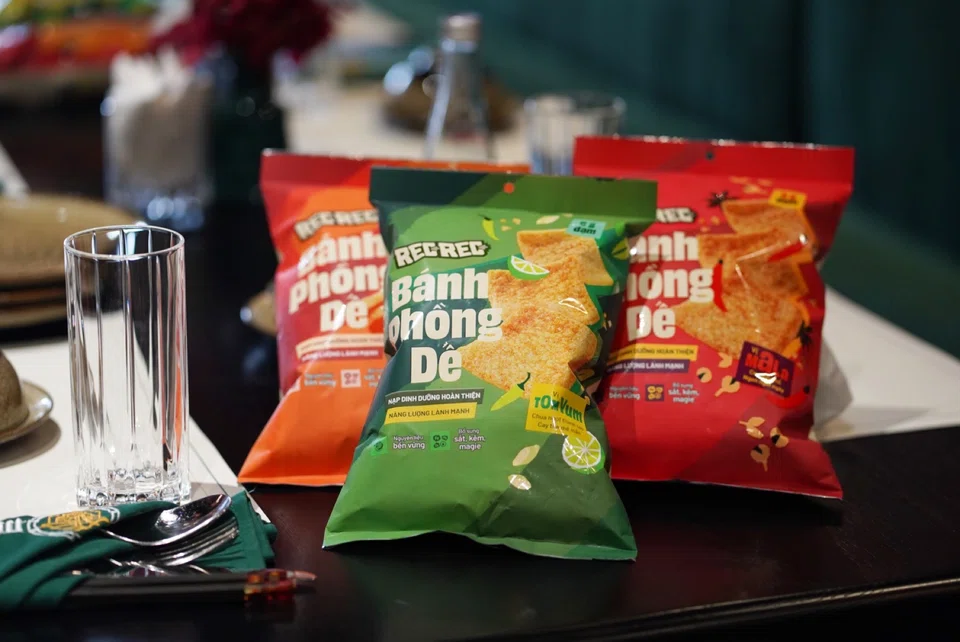
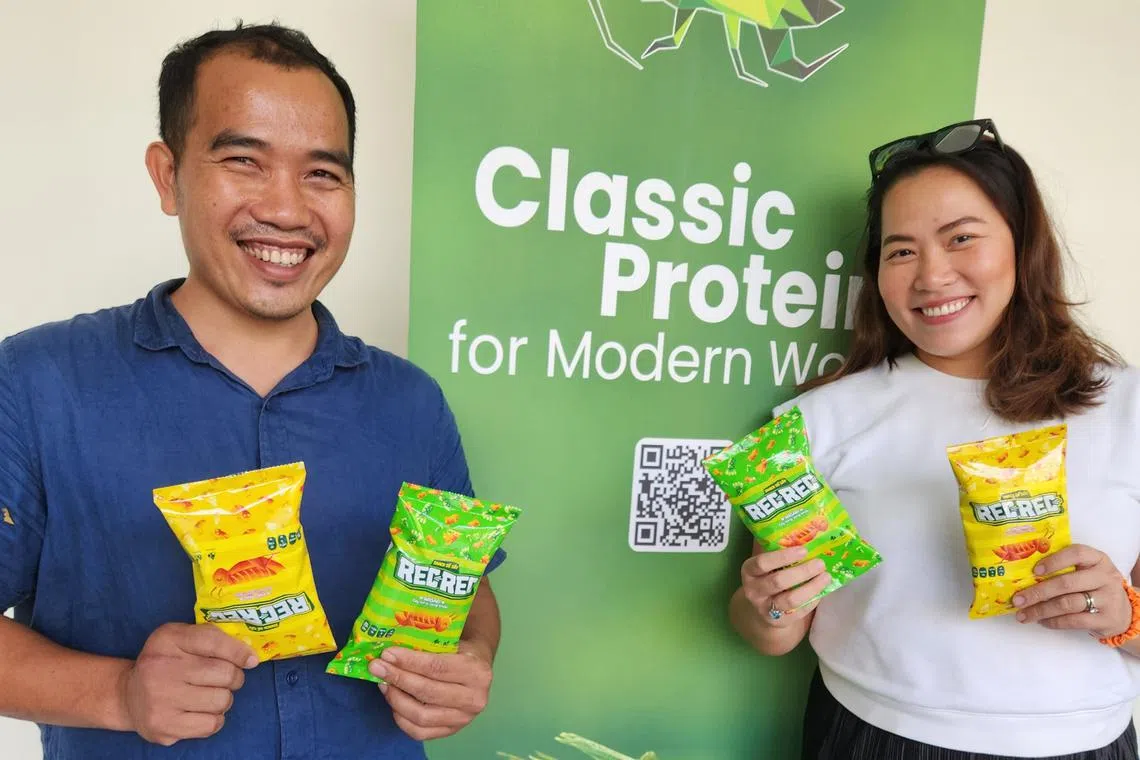
CricketOne and sister retail brand Rec Rec have already signed agreements with two distributors in Singapore, intending to launch cricket protein concentrate, cricket protein powder and cricket crackers here.
“People in Singapore will pay the extra dollar for sustainable, nutritious products. It’s a very good economic case study for us,” she said.
Breaking into the Singapore market will also burnish CricketOne’s credentials abroad, as the Republic is seen as “difficult to penetrate” and having strict safety standards, she added.
CricketOne’s products are already distributed to more than 27 countries, but Nguyen expects that gaining approval in Singapore will make it easier to expand to countries such as Malaysia and Indonesia, which do not currently regulate the eating of insects.
First movers
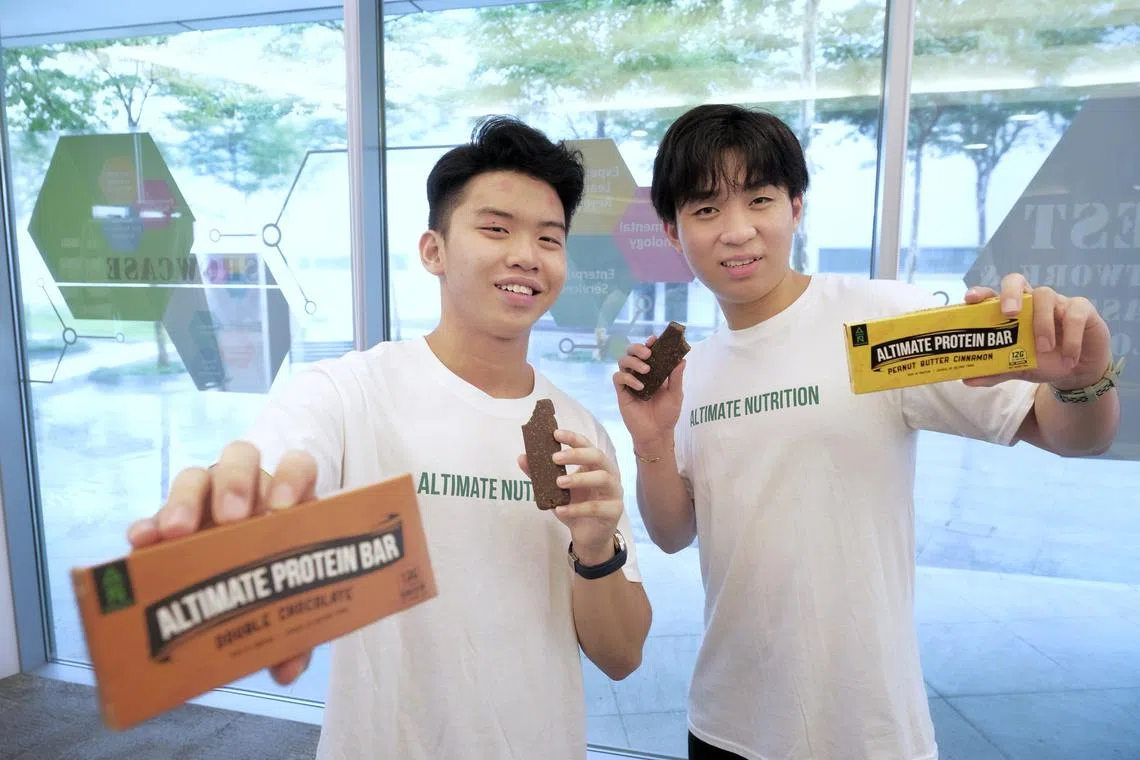
Local startup Altimate Nutrition has been waiting for the SFA’s framework for years since developing its core product of cricket-based protein bars.
It already distributes these to over 100 businesses in Thailand, and has just begun exporting them to the United Kingdom.
Founded in 2020, the company has been gearing up for SFA’s green light by developing products and seeking clients, said co-founder Gavriel Tan.
Beyond protein bars, Altimate Nutrition has been developing roasted crickets and silkworm snacks in different flavours, for consumer retail.
For B2B sales, the company is in contact with more than 10 restaurants and bars that might want to procure its cricket powder and unflavoured whole crickets.
For other local insect protein companies, however, the delays in approval have proven too much to bear.
Two such firms, Future Protein Solutions and Asia Insect Farm Solutions, paused their operations while waiting for the nod – and now have no intention to restart, even if and when approval is granted.
Asia Insect Farm Solutions co-founder Yuvanesh T S said: “We’ve been waiting so long (for approval), that it’s come to a point where we need to ask ourselves whether it’s worth spending our time and money on this again, rather than elsewhere. It’s an opportunity cost.”
Asia Insect Farm Solutions was founded in 2017 to commercially farm insects and sell processed raw ingredients. It later pivoted to make food products.
But Yuvanesh has since grown sceptical about the long-term commercial viability of insect products in a market as small as Singapore.
“There’ll be a lot of hype around something new that comes out,” he added. “But whether the market size in Singapore can sustain (these sales) after is something I’m not sure about.”
Similarly, Future Protein Solutions co-founder and CEO Christopher Leow thinks it is still too hard to overcome a cultural aversion towards insects as a food source. Founded in 2021, the firm farmed crickets for food product development.
“Even in countries (where eating insects is common), young people see insects as a very low-class, peasant food item. We have the same feelings in Singapore,” said Leow.
He added that fledgling local companies may also find it hard to compete against overseas insect protein brands, with more expected to enter Singapore once regulatory approval is granted.
Mature foreign players have lower costs of production and established products, he said. “It’s a chicken and egg game, where you only get better prices with large volumes. But as we are a nascent industry (in Singapore), there is no volume to start with.”
Education, marketing needed
Those still in the industry hope that with education and marketing, Singapore consumers will take to consuming critters.
In the last two years, Altimate Nutrition has conducted some 20 to 30 workshops on alternative proteins for schools and corporates. It has also held baking classes using cricket flour and participated in trade fairs.
Product presentation is also crucial, said CricketOne’s Nguyen. “It’s the responsibility of downstream companies to make the product flashy and tasty, and showcase the true value of the product to consumers.
“When we launched whole crickets in different flavours, sales conversion rates were low. But there were repeated purchases for our cricket crackers, which did not look like crickets.”
Future Protein Solutions’ Leow expects that consumers may be more open to cookies and snacks made from insect powder, instead of whole insects.
Singapore entrepreneur Javier Yip, who himself has a taste for insects, is looking forward to SFA’s framework.
In March 2023, he set up import company Insect Food, to eventually supply frozen insects and insect protein powder to supermarkets, restaurants and pubs.
He also intends to import cricket chips and white grub jelly – made in Thailand and Vietnam – and sell these under his own retail brand.
“More people will accept insects as food, especially if you can educate them from young that they are actually healthy and high in protein,” said Yip.