

Singapore’s air quality unhealthy as Indonesia fires worsen
A government task force has ‘activated haze response plans’ for schools, workplaces and community centres
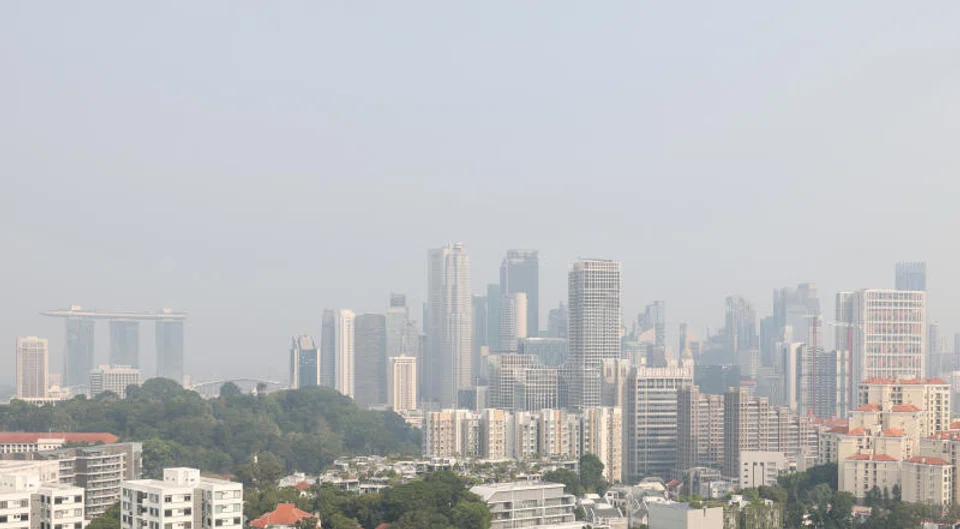
[SINGAPORE] Singapore’s air quality hit an unhealthy level on Friday (Sep 4) as haze from forest fires raging in neighbouring Indonesia continued to spread across swathes of South-east Asia.
The city-state is currently one of the 10 most-polluted major cities in the world, coming in at third in IQAir’s ranking. Kuching, in the Malaysian part of the island of Borneo, was No 1.
A government task force has “activated haze response plans” for schools, workplaces and community centres, Minister for Sustainability and the Environment Grace Fu said in a video message on Facebook. Most people could continue essential daily activities, but the elderly or vulnerable should check advisories before going outdoors, she added.
If air quality continues to worsen, “selected air-conditioned community spaces may be used by those who need respite from the haze”, she said, adding that the polluted air “could be with us for a while”.
Singapore’s 24-hour Pollution Standards Index stood at 105 as at 12 pm on Friday, the National Environment Agency said. A reading between 101 and 200 is deemed “unhealthy”, while above 300 is categorised as “hazardous”.
The fires and accompanying haze are an annual occurrence, often attributed to traditional and commercial land-clearing practices. But this year’s “super El Nino” weather pattern, which is expected to start peaking from September, threatens to intensify and prolong adverse impacts on public health and commercial activity across the region.
The number of fire hot spots was rising again on the Indonesian part of Borneo after a small decline earlier, according to local media that cited the country’s forestry minister Raja Juli Antoni, highlighting the challenge authorities face in containing the blazes.
The Indonesian government has deployed at least 6,000 ground personnel and is conducting water-bombing and weather modification in a bid to douse the flames aerially.
The impact of the El Nino is rippling across South-east Asia’s largest economy. Indonesia’s biggest nickel complex may have to slash output by as much as 40 per cent due to drought disrupting its water supply, while drier waterways are snarling palm oil shipments.
Nearly 40 per cent of Kalimantan’s roughly 417,000 tonnes of monthly palm oil output has had to be transported by truck instead of barge since the first week of August, adding to transportation costs, said M Hadi Sugeng Wahyudiono, secretary-general of the Indonesian Palm Oil Association, known as Gapki.
Benchmark palm prices have climbed about 7 per cent so far in the third quarter and are near a two-year high.
Among the drivers are the potential for El Nino and intensifying fires to dent production in the months ahead, and tightening supply as Indonesia diverts more of its palm oil to biofuels.
Air quality was also deteriorating in other parts of the region. Malaysia’s Sarawak recorded “hazardous” levels of air pollution, while Indonesian authorities urged residents in Kalimantan, where the hot spots are concentrated, to be on alert for worsening conditions. BLOOMBERG
Decoding Asia newsletter: your guide to navigating Asia in a new global order. Sign up here to get Decoding Asia newsletter. Delivered to your inbox. Free.
Share with us your feedback on BT's products and services
TRENDING NOW

S$8 billion wiped off OCBC value as shares slide 5.8% in heavy trade

Grab CEO’s wife Chloe Tong on life with Anthony Tan and finding her purpose

Brookfield denies accusation it cut Soilbuild out of Mapletree deal
8 public officers referred to police over property buys near unannounced MRT stations: Chan Chun Sing

