Mice, spice and everything nice: Caterers see demand for green menus, tailored events
Caterers’ sales grew year on year every month in the first half of 2024, official data shows

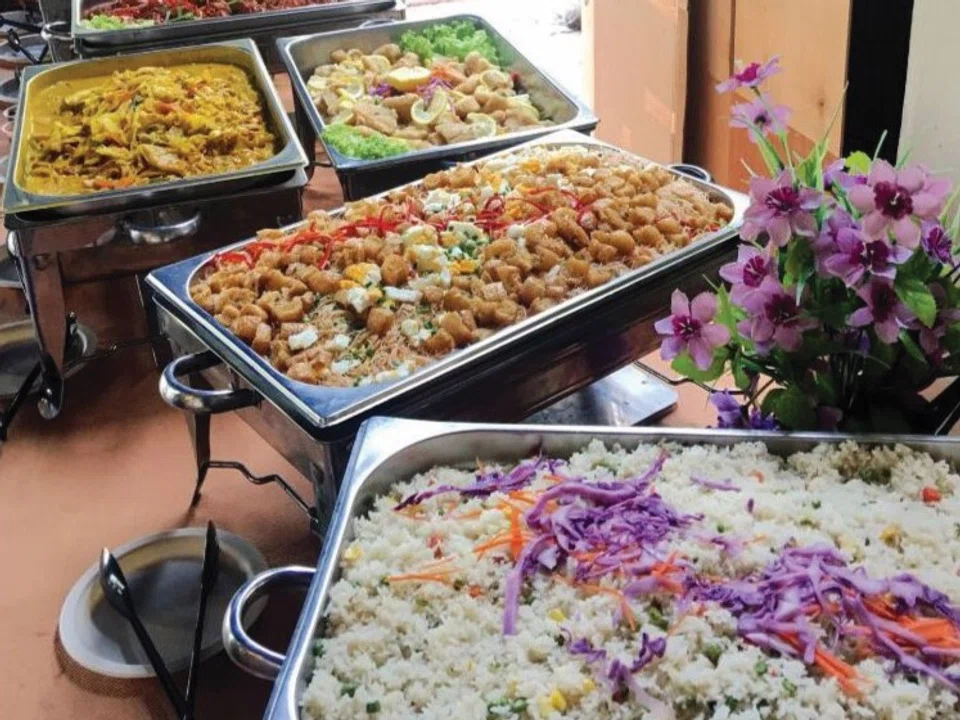
BEYOND the continued pickup in large-scale events, Singapore’s caterers are having their fortunes boosted by demand for sustainable offerings and customised services.
In the first half of 2024, food caterers’ sales experienced year-on-year growth every month, based on retail sales data from the Department of Statistics.
Their sales grew 19.3 per cent in June, the latest month for which data is available.
OCBC chief economist Selena Ling said: “Given the pickup in Mice (meetings, incentives, conferences and exhibitions) events, I’m not surprised at the activity pickup (for food caterers) over the past year.”
Smaller players have been gaining, too, said Ang Yuit, president of the Association of Small and Medium Enterprises.
This is due primarily to the high number of Mice events here this year, he said. “Food catering is specialised in the sense that the deals there have a lot to do with events, so when those are up, food caterers will follow.”
But besides this usual driving force, caterers told The Business Times that clients, particularly the corporate ones, have a growing appetite for pricier offerings – namely, eco-conscious options and tailored experiences.
Sustainable offerings

Rasel Catering’s sales have grown some 13 to 15 per cent this year – partly with more Mice events, but also from more clients choosing sustainable options, which tend to cost more, said co-founder and creative director Chris Loh.
This could mean the use of sustainable produce, such as fish, vegetables and eggs from Singapore’s farms; it also extends to the type of tableware provided, which could be biodegradable or reusable.
“Sustainability comes with a cost; that’s something that we all know,” she said. “Sustainable ingredients are more expensive, and the bio-wares are also more expensive.”
For instance, disposable plates cost as little as 3 Singapore cents apiece, but plates made from biodegradable materials can cost eight to 10 times more, she added.
Amici Events & Catering has also noted a rise in clients opting for reusable tableware, said chief executive officer Willie Tan.
“It is more expensive because we will require a larger amount of space to transport (the tableware), and we will require more time to pack and unpack and set up – and then you also require washing,” he said.
Yet clients have been willing to pay, which has translated to higher sales.
Amici is on track to post sales which are 13 to 15 per cent higher than the previous year’s, Tan said.
Said Loh: “Clients are willing to pay for the extra cost, because they’re governed by their ESG (environmental, social, and governance) policies, so they have to abide by them.”
Customised experiences
This year, more corporates have also moved away from holding events in hotels, where they would typically opt for the in-house catering service under a package deal.
Instead, these clients are going for customised catering by external providers, and using rented spaces, said industry players.
Purple Sage managing director Alan Tan said the corporates are after “a unique experience”.
“Companies do these events because they want to bring up the morale of their staff, and if you switch it around by going to different venues, it will help (with) the interest and excitement of the staff,” he said.
Popular venues include landmarks such as Gardens by the Bay and some areas of Sentosa, he said.
Clients that typically go for such venues include top fashion houses and premium car brands, added Amici’s Willie Tan.
For other clients, hosting events at their own premises rather than in hotels and restaurants could be a way to achieve cost savings – which happens to boost demand for external catering.
“Many businesses are hit by the uncertainties in the economy,” said Loh. “That’s why they are a little bit more stringent in their spending. They want to cut back on the budget, but maintain the same standard of food – and so, the demand actually comes to caterers.”
Looking ahead
Yet, even as sales have grown in absolute terms, the pace of growth has slowed considerably from 2023, which was the peak of post-pandemic recovery.
“Costs may become more challenging, and unless there is another significant step-up in Mice and other hospitality events, it may be hard to see further growth,” said OCBC’s Ling.
This is especially as domestic labour market conditions cool gradually and companies focus increasingly on controlling costs, she added.
As Rasel’s Loh puts it, 2023 was an “exceptional year” due to the pent-up demand for Mice events and celebrations. There were also favourable base effects as caterers recovered from pandemic-era restrictions.
Purple Sage’s Tan continues to see a “strong demand” for catering services going into 2025, following sales growth of 10 to 15 per cent in 2024 so far.
“I think we are seeing very consistent demand – especially from corporates – for customised experiences,” he added.